Beiarn Folk Museum
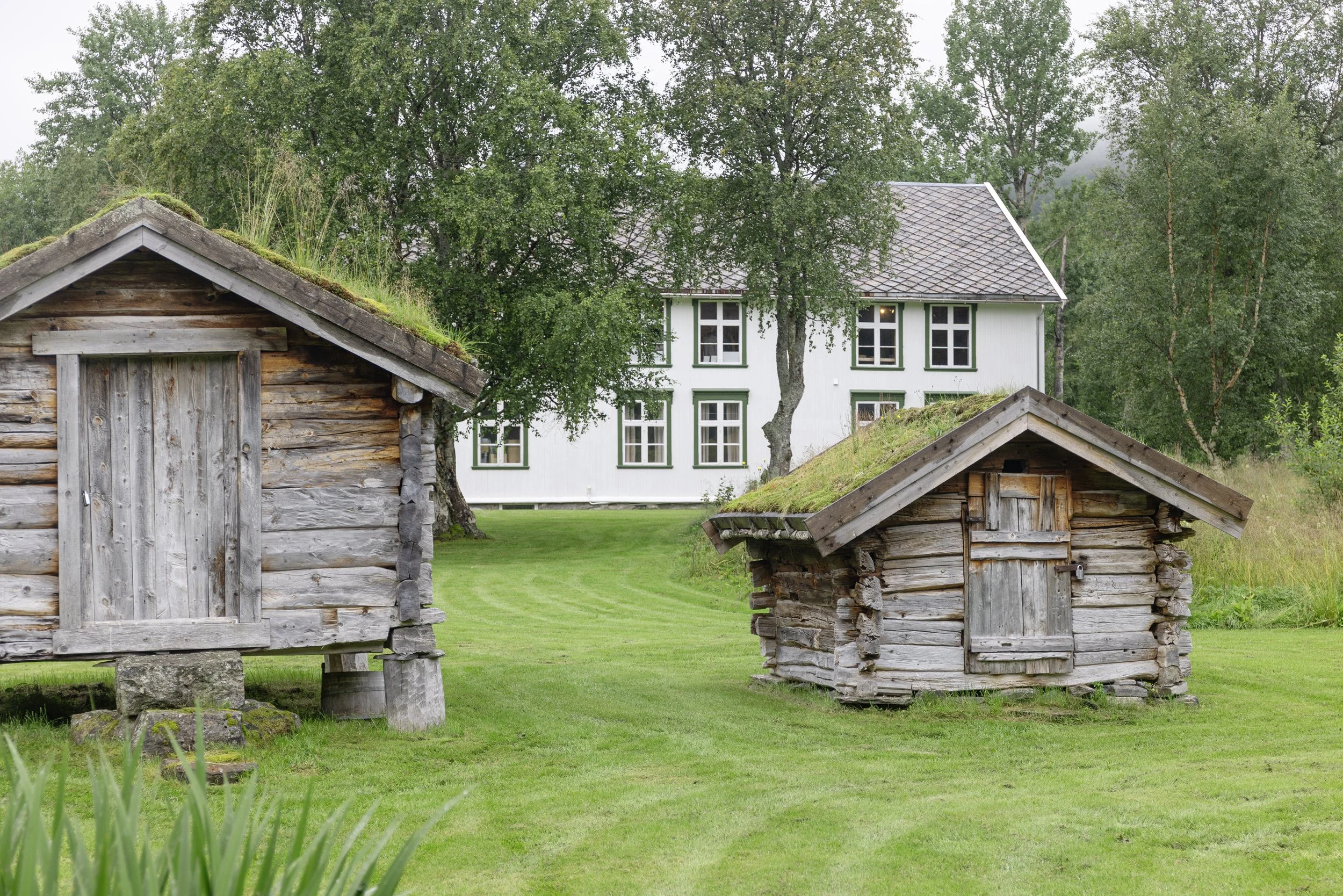
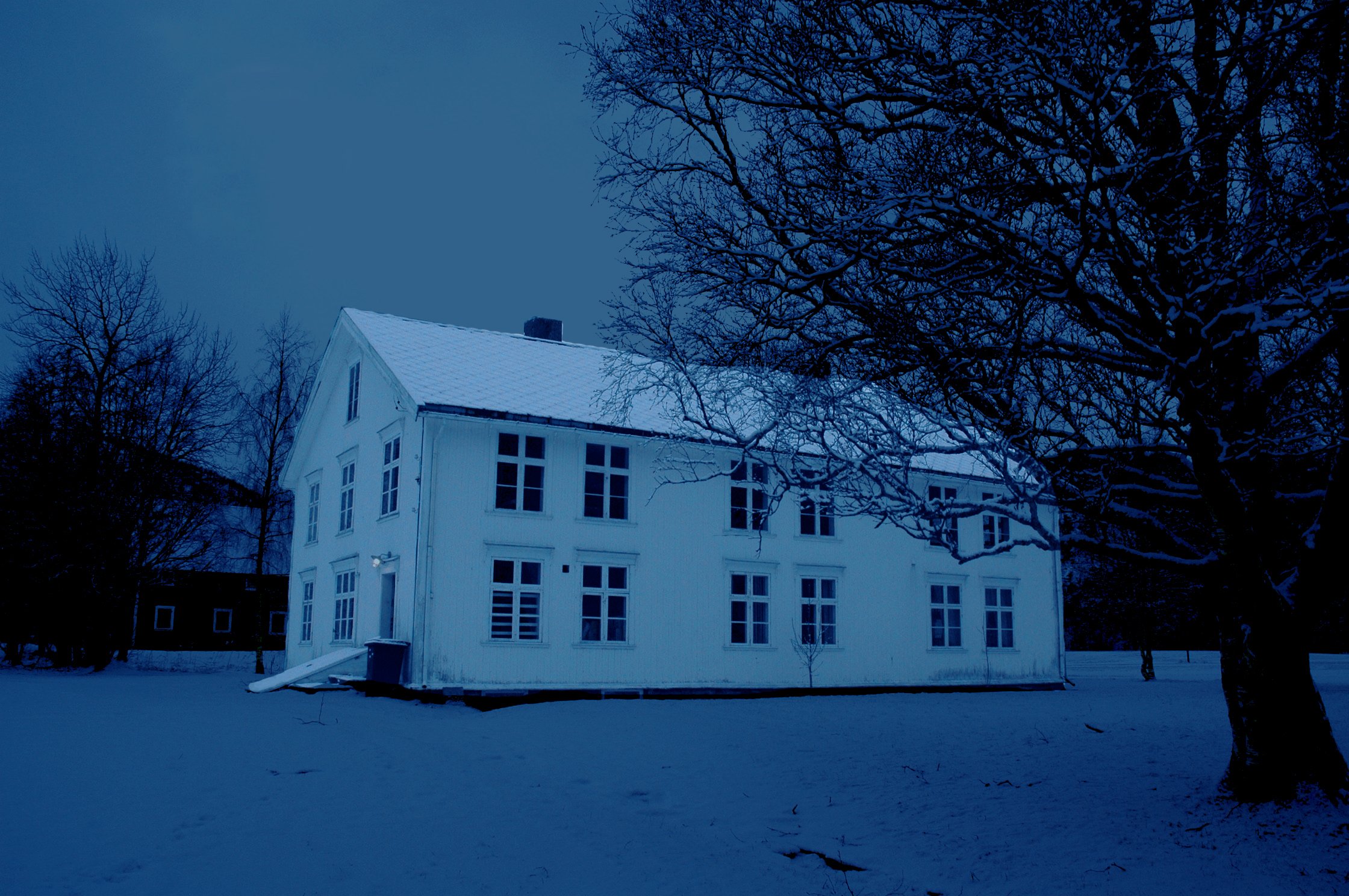
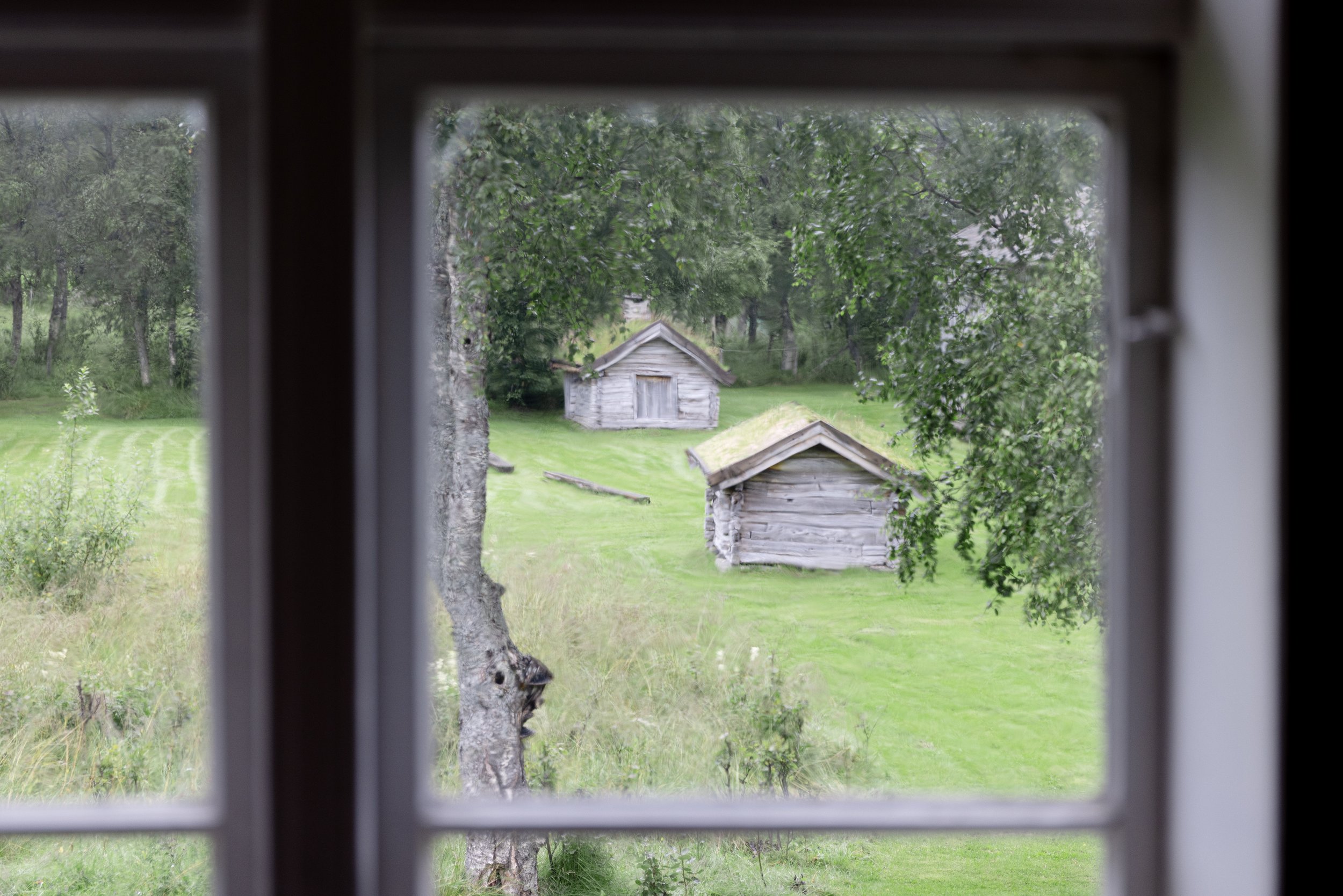
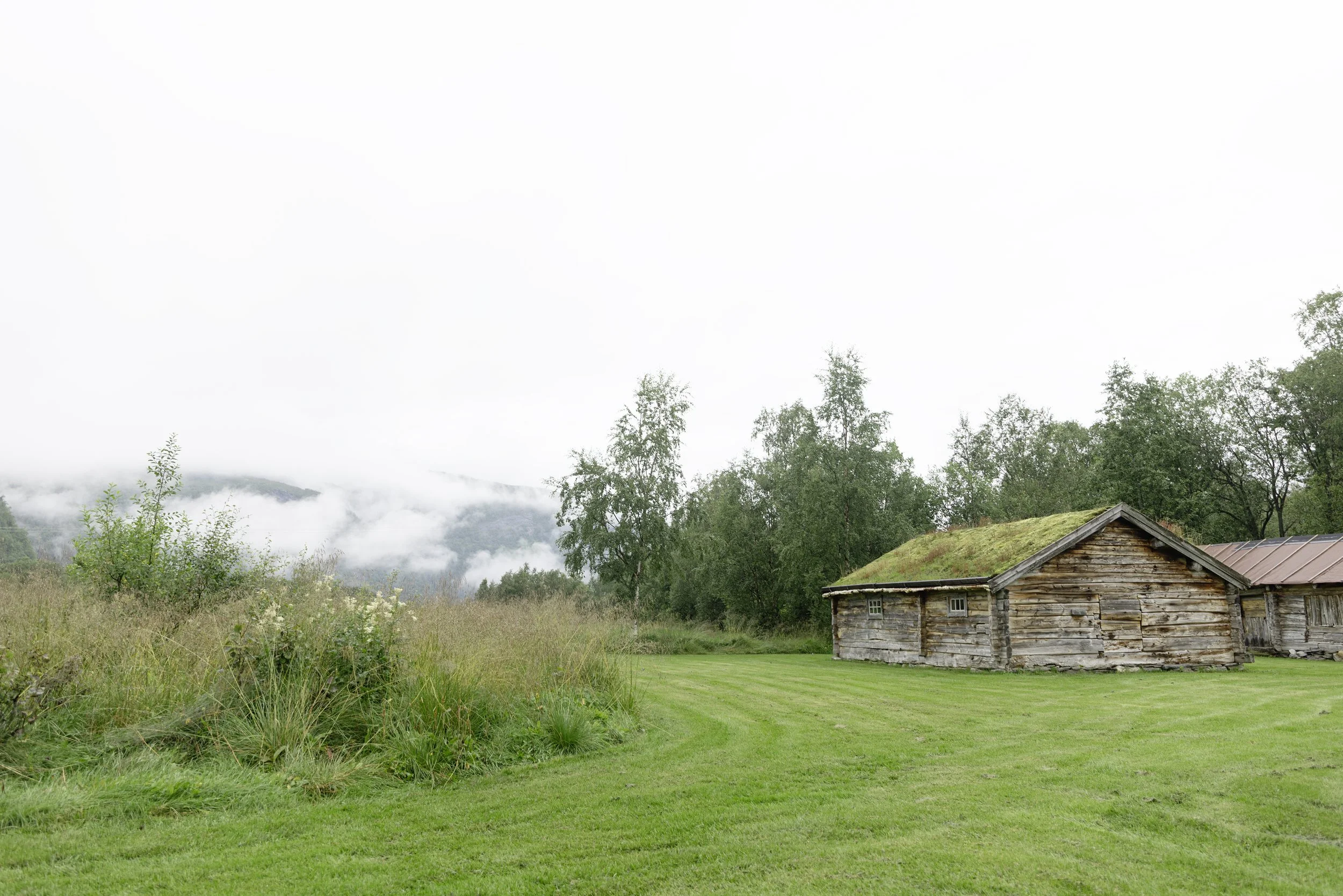
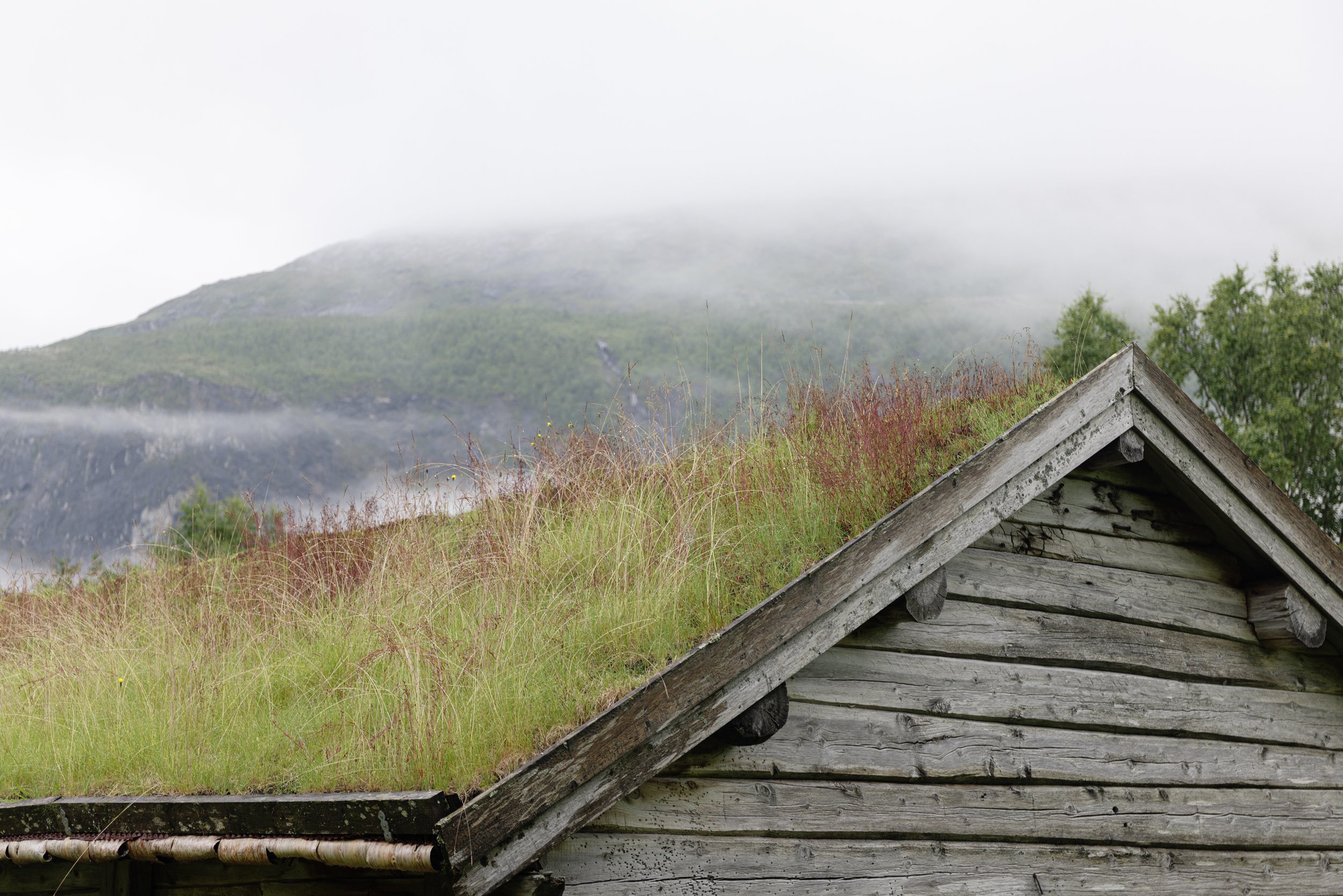
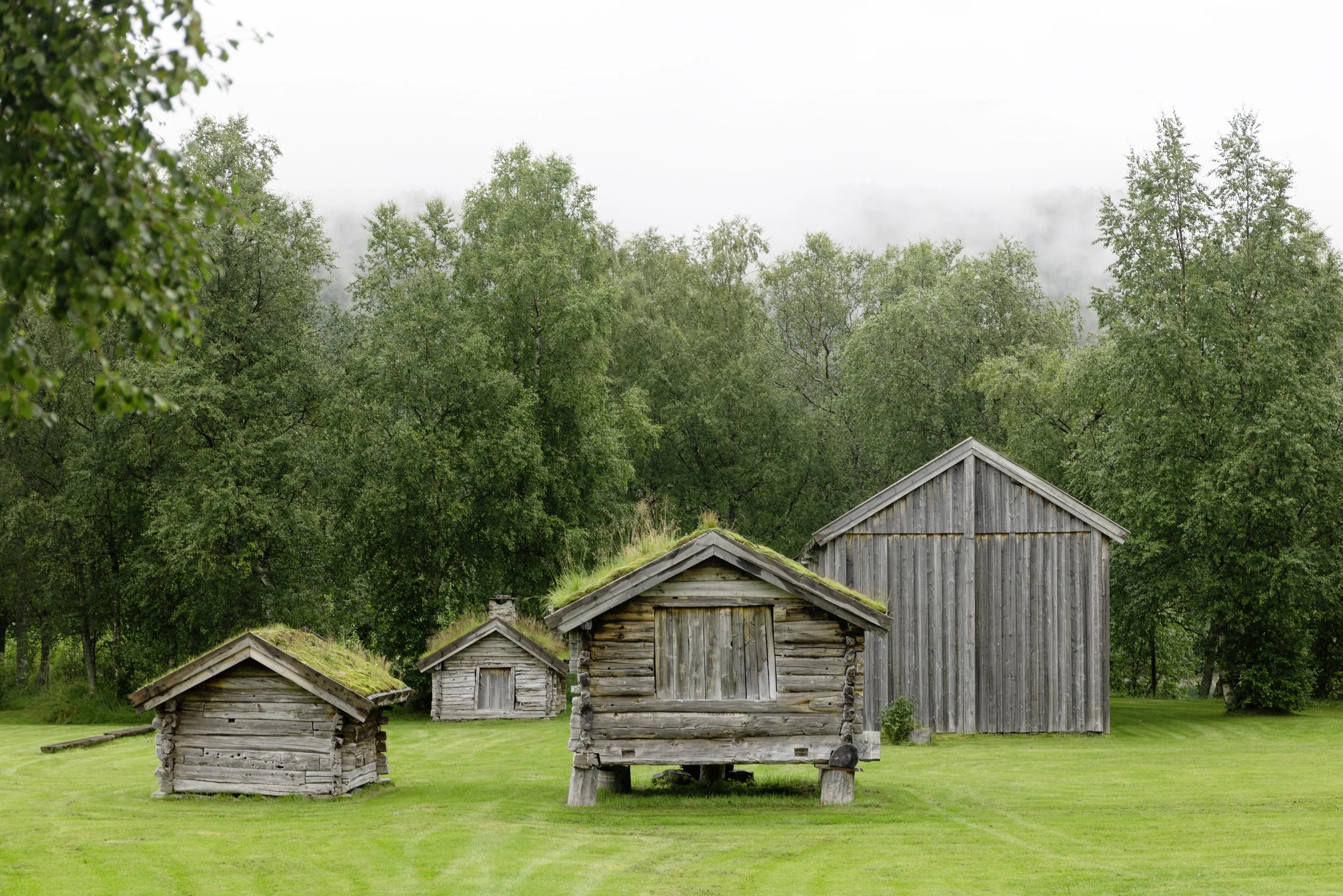
Beiarn Folk Museum is located on the rectory from 1857, with 12 farm buildings from the 18th and 19th centuries. In season we have simple catering and a museum shop, where you will find Arstadringen for sale, among other things. Bring barbecue food and take a break in the museum garden.
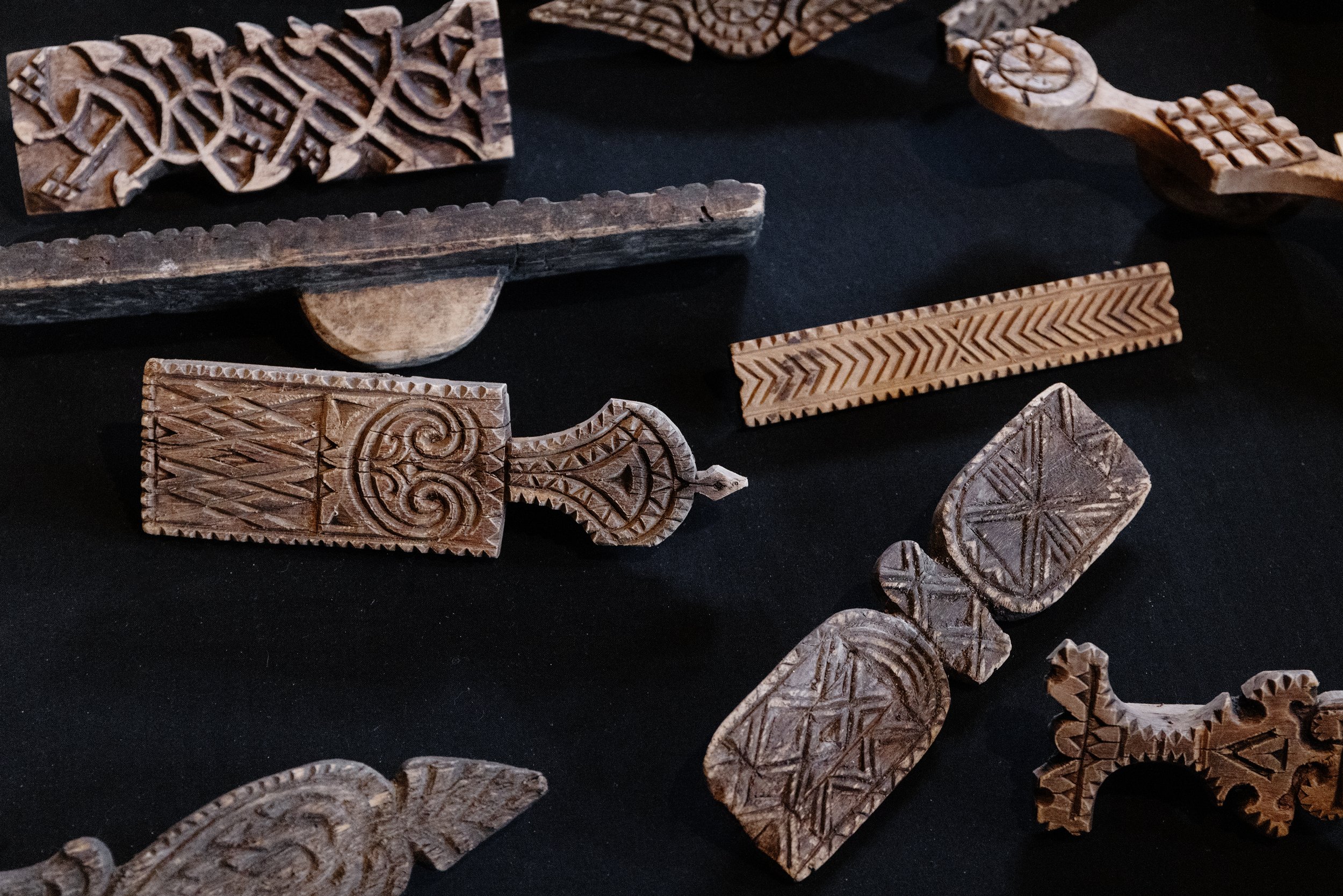
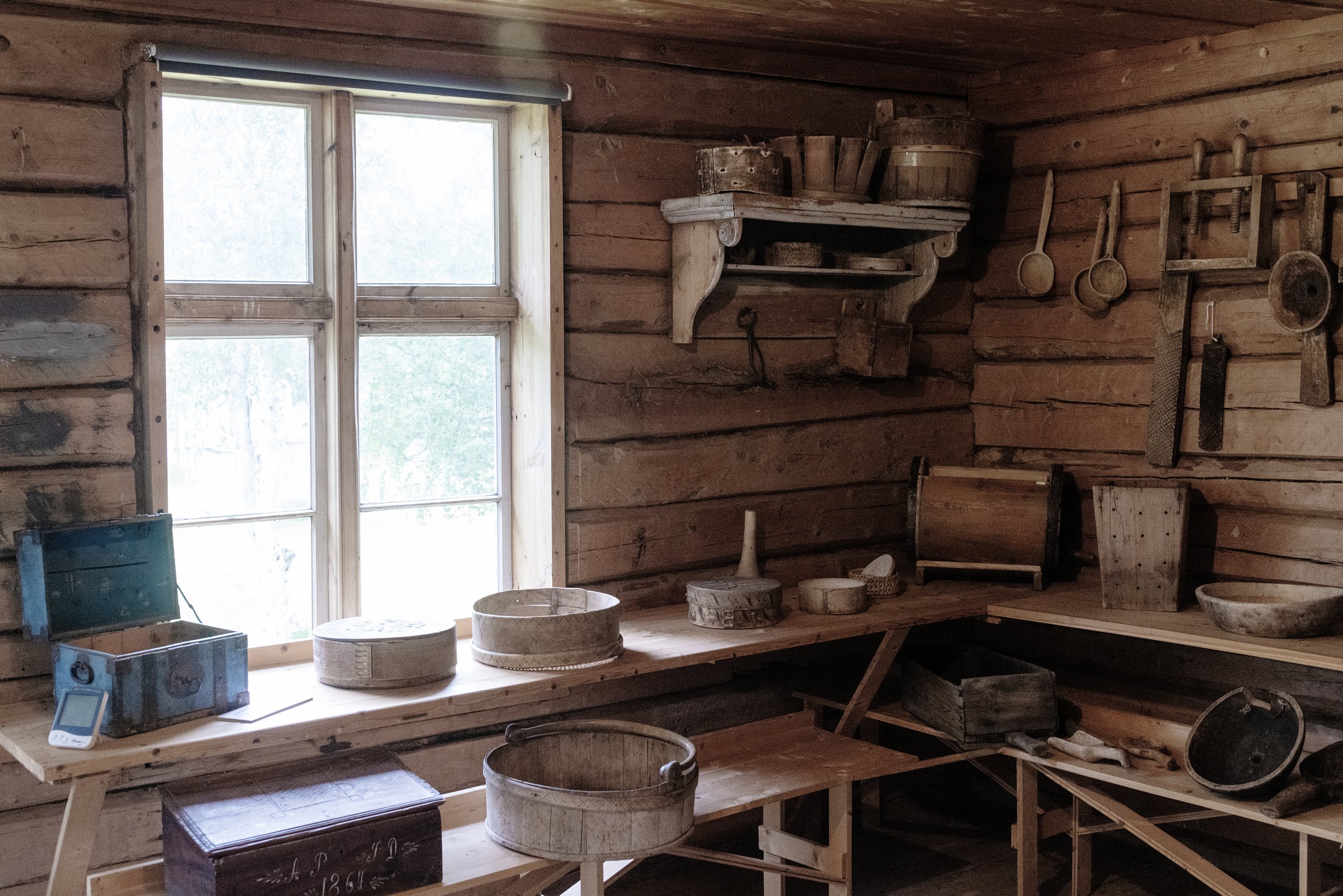
The foundation of the collection comes from Gustav Moldjord. He was 18 years old when he began collecting old objects from Beiarn and transported them in a small cart. The collection today consists of 166 objects and tells the story of Beiarn's cultural history and of a young enthusiast who wanted to preserve the past.
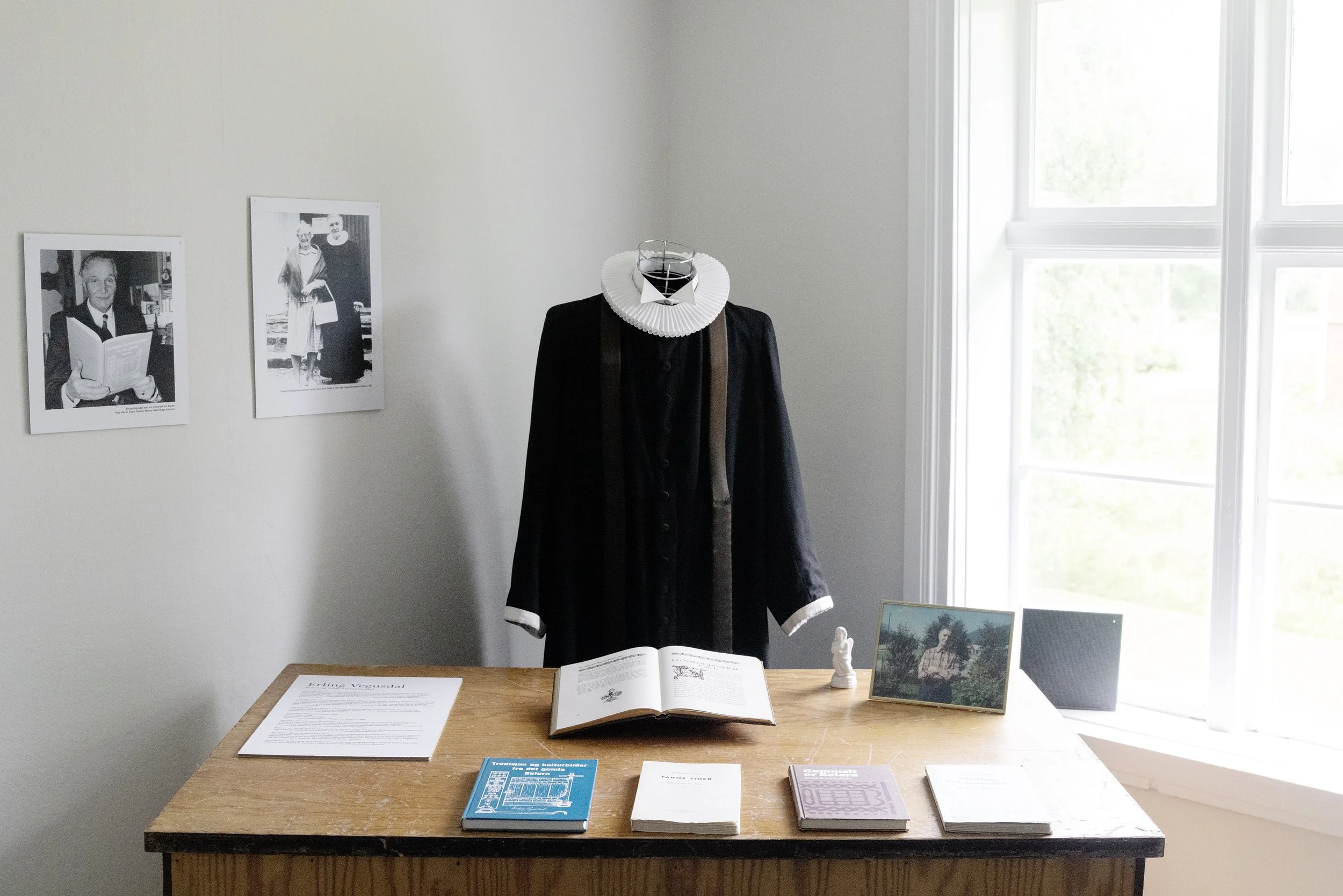
The exhibition "Once upon a time..." takes you into living traditions and traditional knowledge through music, storytelling and traditional crafts.
In the yard you will also find an A-Ford vintage car from 1930, known as the Rønnåbakk-Forden, restored by Skrotnissan in Gildeskål The car is used on special occasions during the summer season and is otherwise parked in the yard.

Opening hours
Beiarn Folk Museum has been open during the summer season 2026 and will reopen with regular opening hours in the summer of 2027. More information will be available in the spring.
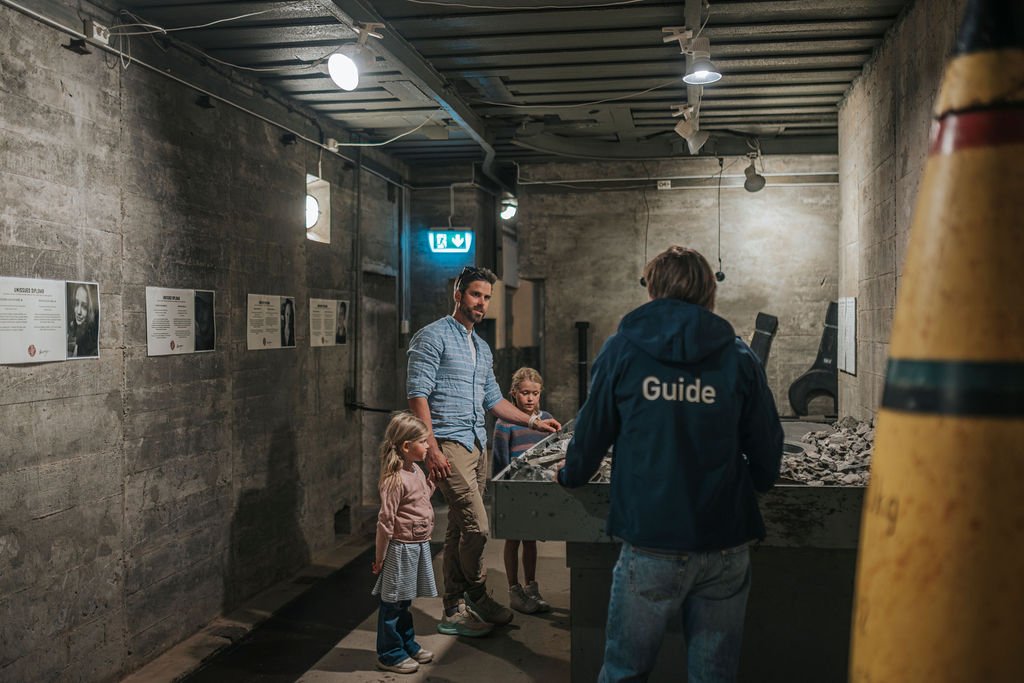
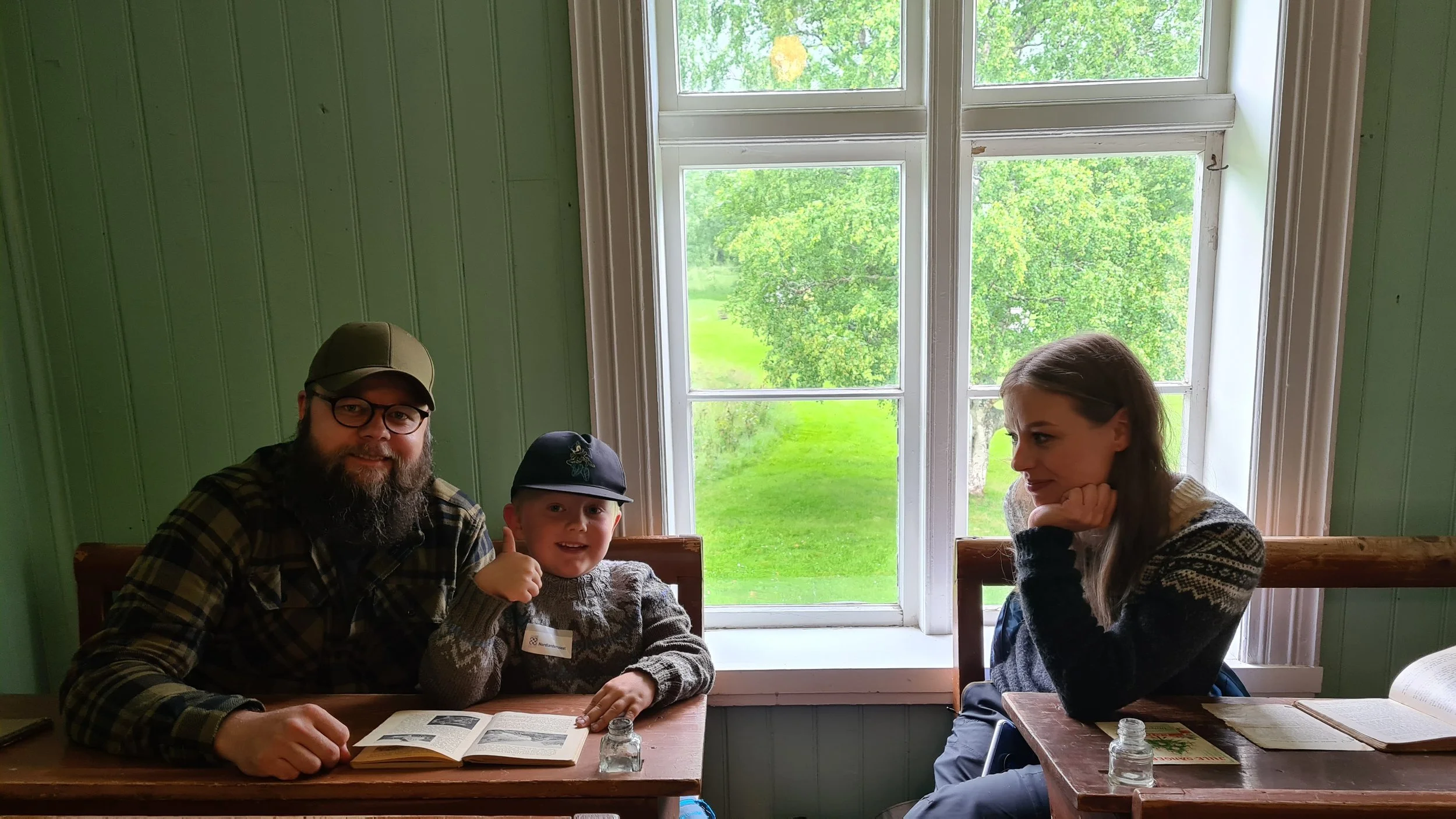
Would you like to visit us in the meantime? You can book a tour even though we don't have fixed opening hours now — read more here .
Practical information
Entrance tickets are purchased upon arrival at the museum. Expected visit time is approx. 1 hour. Photography is permitted without the use of flash.
Prices
Adults NOK 90, students/honors NOK 70.
Children under 18 have free entry.
Groups (min. 10 paying) NOK 70 per person.
Special prices apply for visits outside of regular opening hours.
Facilities
Museum shop and simple dining. Free parking. Exhibition on the 2nd floor without elevator. Toilet on the 2nd floor without elevator.
Address
This happens:
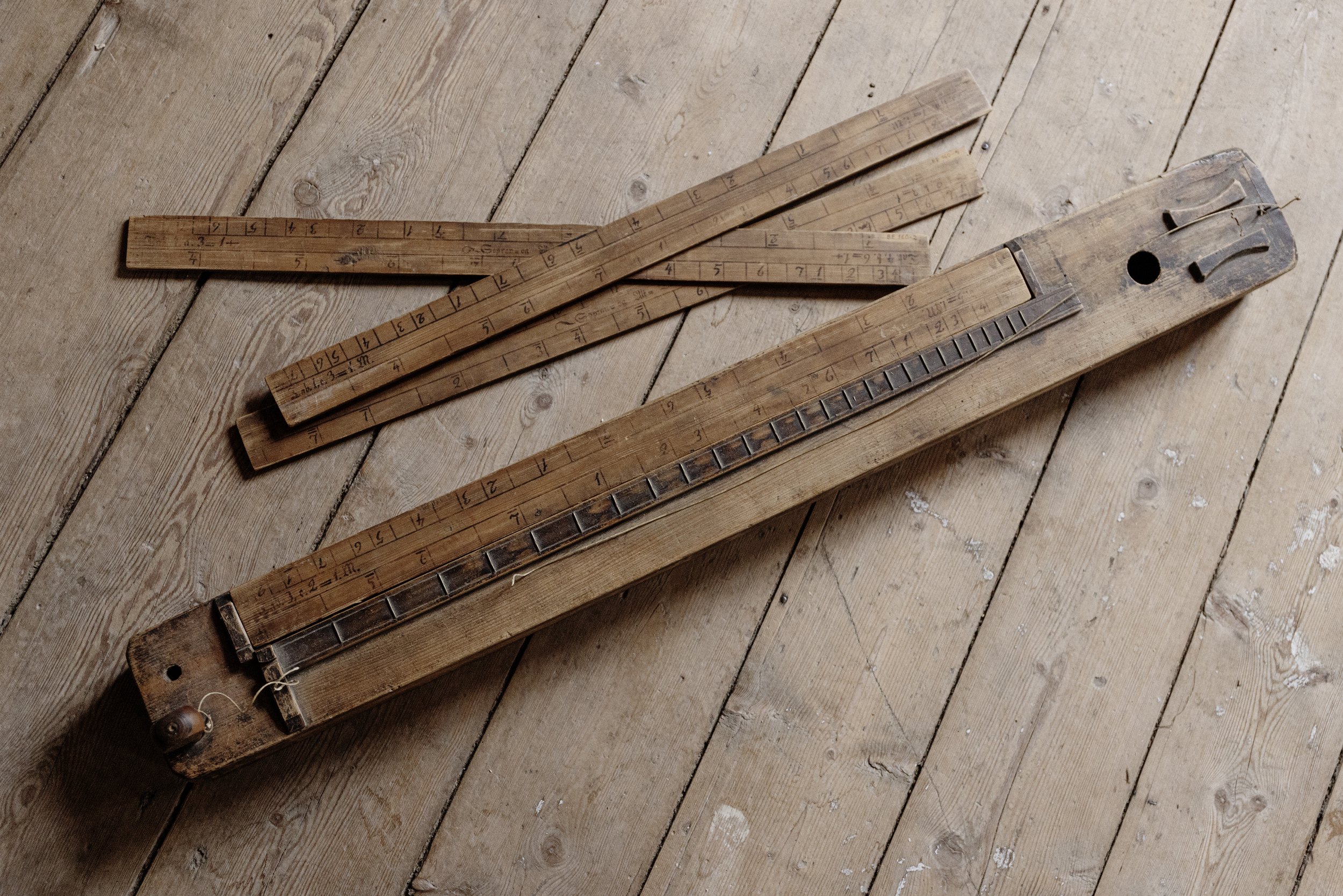
Did you know that…
The psalmody in the collection by Gustav Moldjord dates from around 1880. The instrument was developed in Sweden in the early 19th century as an affordable alternative to the organ and was used to teach hymns in schools and homes. The psalmody is played by plucking the string with a bow. Instead of regular notes, numbers were used, and the method was therefore called "sifferskrift". In the 19th century, the instrument was common in northern Norway, both in homes and as part of religious singing.
Booking
History of the museum
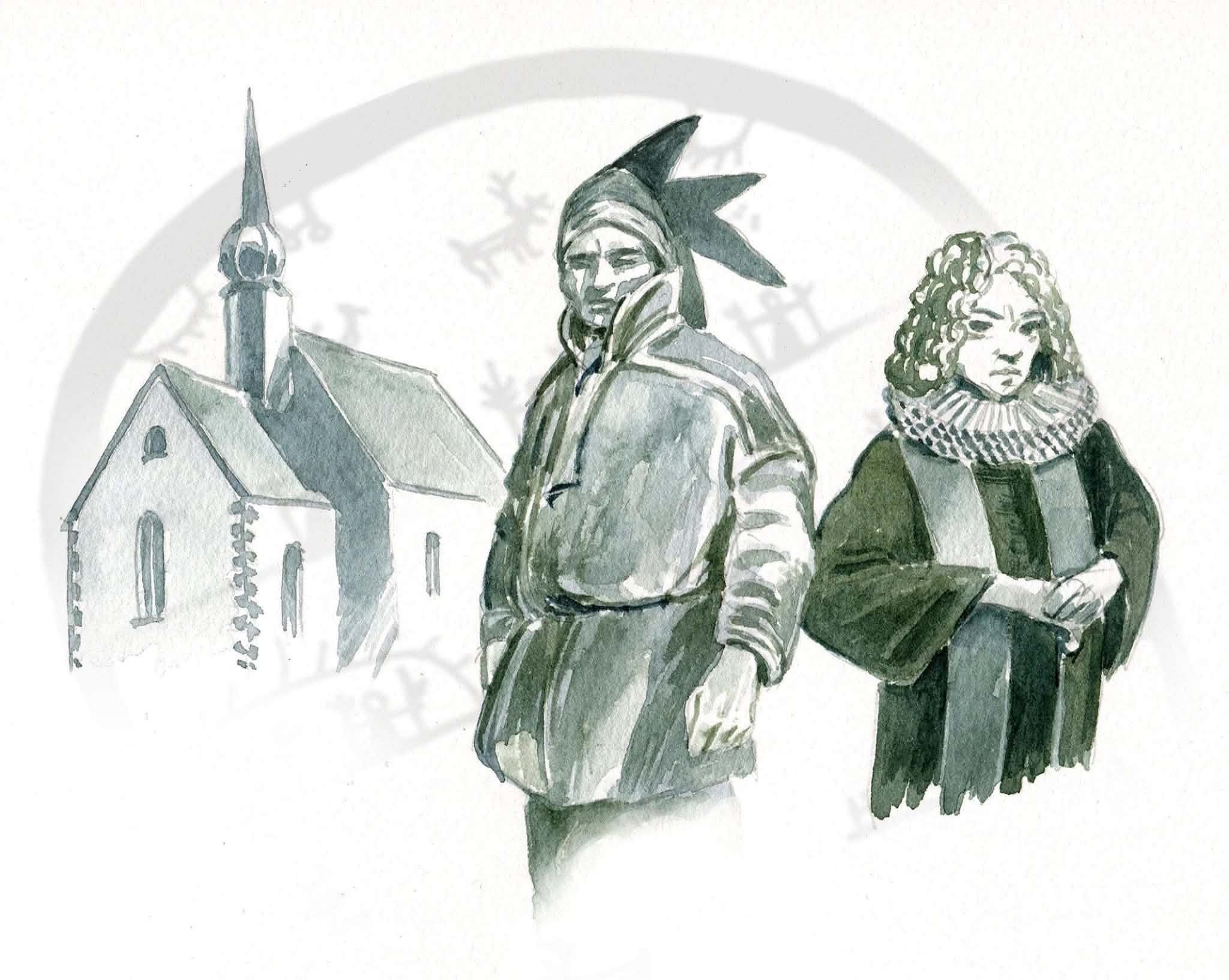
The rectory has a long history. In 1853, Beiarn became its own parish. As a parish, it also had to have its own priest, and its own rectory to house him.
There was a heated discussion about where the rectory should be located. The village's elected officials finally decided that it should be located by the river at Dokmo. That way, the priest's people could provide transportation across the river to Soløy or Moldjord.
Dokmo was already a large farm at that time, consisting of one self-owned farm and two tenant farms. The largest tenant farm had its main building right here where the main house now stands. It is said that these tenants were given three weeks to move out. When the deadline came, and they had not yet moved, the workers came and began to tear off the roof of the house. The tenants now had to settle for becoming household servants under the priest, with a permanent work obligation at the rectory.
The magnificent rectory was completed in 1857. The houses that the tenants had to leave were converted into outbuildings for the rectory. Here we can mention a magnificent four-seater outhouse, with one child's seat, one seat for the household and two seats for the servants. Several outbuildings and farm buildings were of course also erected.
A total of 14 priest families have lived here. The priests and their families came as immigrants to Beiarn. At that time, the priests had a relatively low salary, so farming was part of their income. From the sources we can read that the priests took up farming with great enthusiasm. Several brought their own farm tools and even their own servants to help them with the operation. Parish priest Karl Vilhelm Piene was the first in the village to acquire motorized agricultural equipment, a two-wheeled tractor that ran on kerosene. He also tried his hand at rabbit farming on Slagøyra, an islet that belonged to the rectory. Unfortunately, there was a flood in the Beiarelva River that same autumn, and all the rabbits drowned except for one who was found alive.
The rectory also played an important role during the German occupation. After the bombing of Bodø, evacuees were accommodated on the farm. In addition, they were required to accept 30 girls from the parish, who were to work on the farms in the village where help was needed. However, not many people took advantage of this help. Down in the basement, the priest had hidden a radio in a potato bin to hear the latest news from London.
Parish priest Leif Sjølie and his family were the last to live here (priest from 1967 – 1974). In this large, drafty house, up to 12 fathoms of wood a year were previously used for heating. The electricity bills became enormous after the introduction of electricity. The house was not attractive to move into, and eventually a new vicarage was built in Moldjord.
In 1988, Beiarn Folk Museum opened. Of the houses on the farm that stand today, only the vicarage, an older storehouse and an outbuilding belonged to the rectory. The barn, built in 1905, also belonged to the rectory, but is now separate. The remaining buildings have been moved here from other farms in Beiarn .
Today, the rectory is still alive and well. Every summer, interested visitors can hear the exciting history of the place.