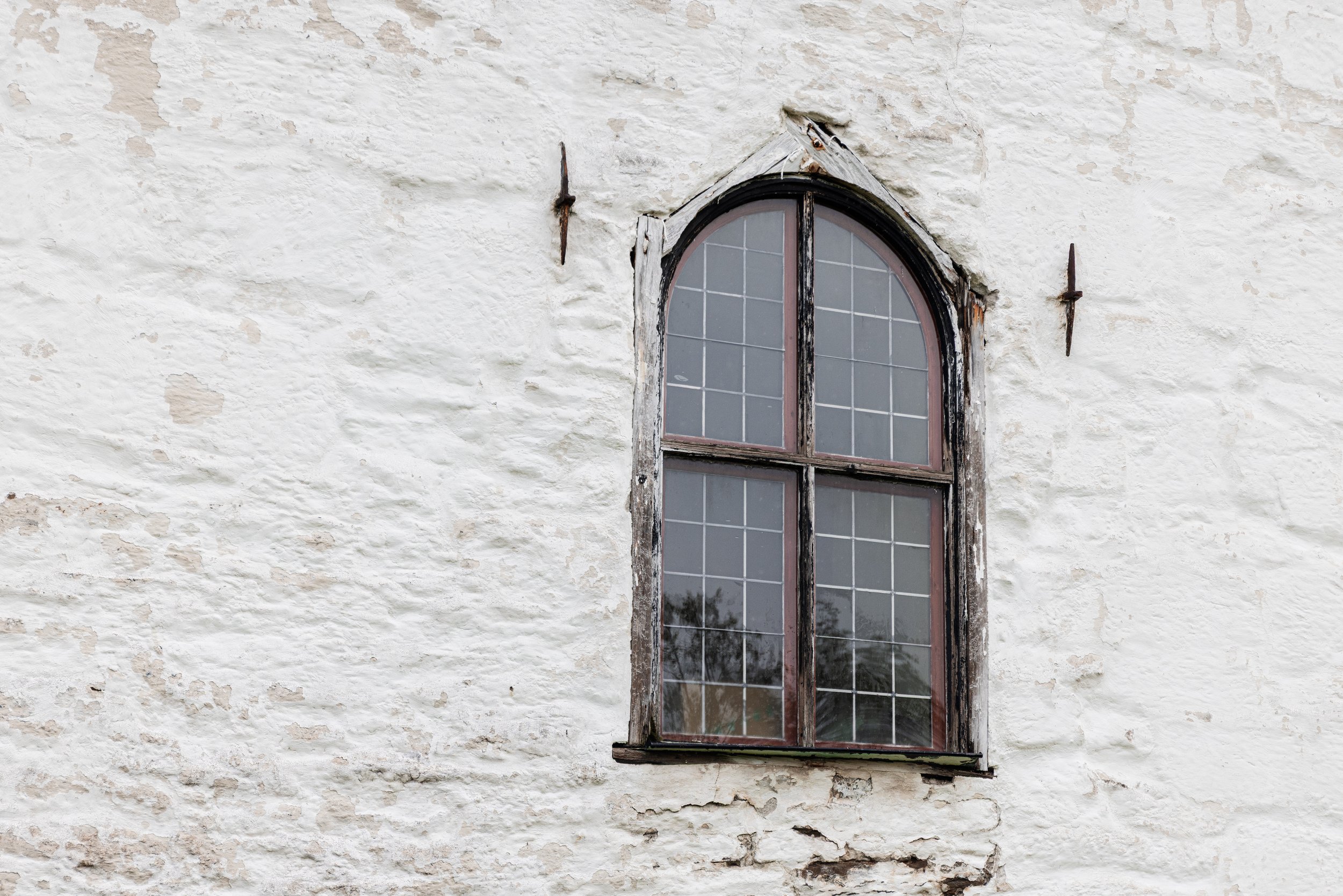
Gildeskål Medieval Church

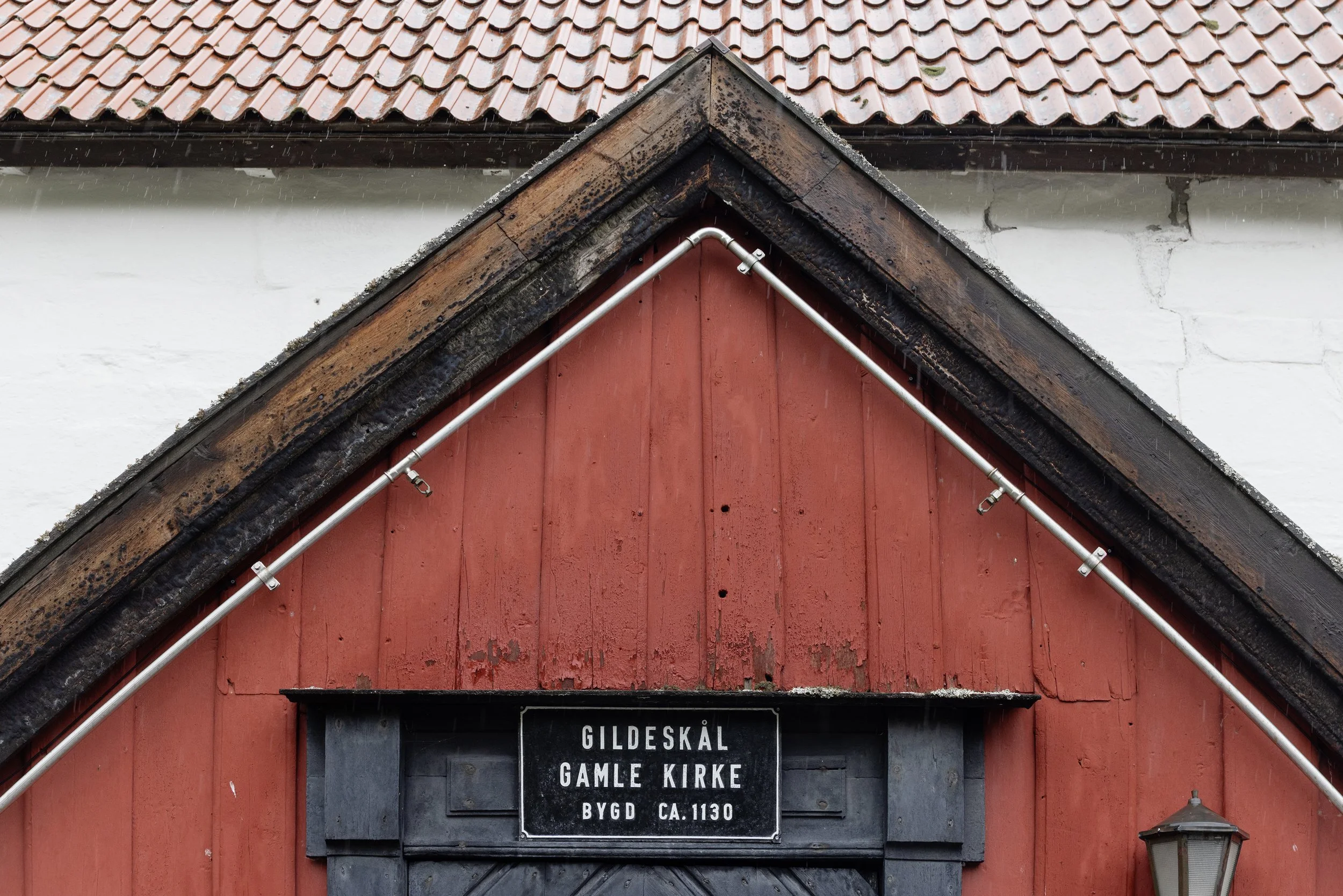
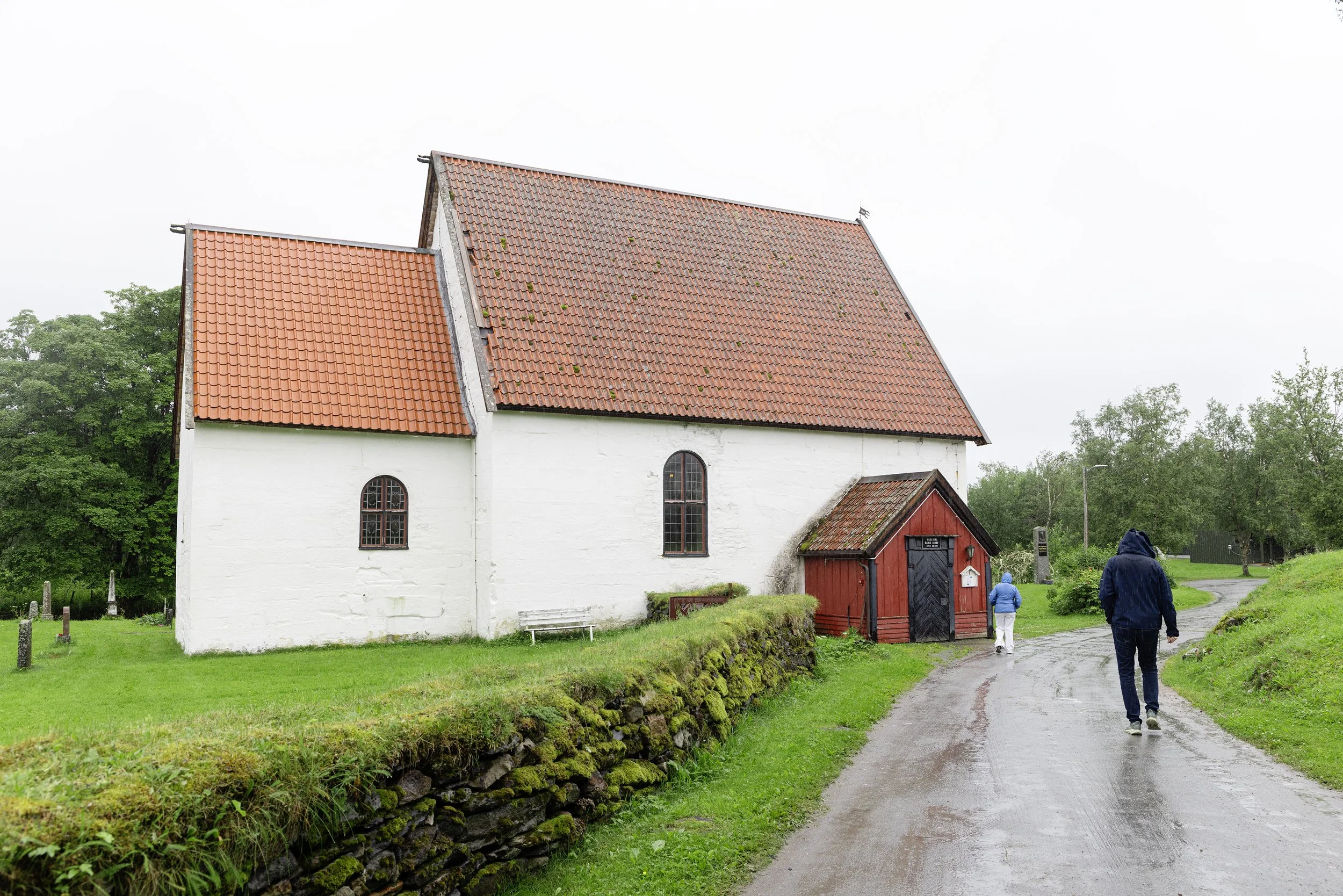
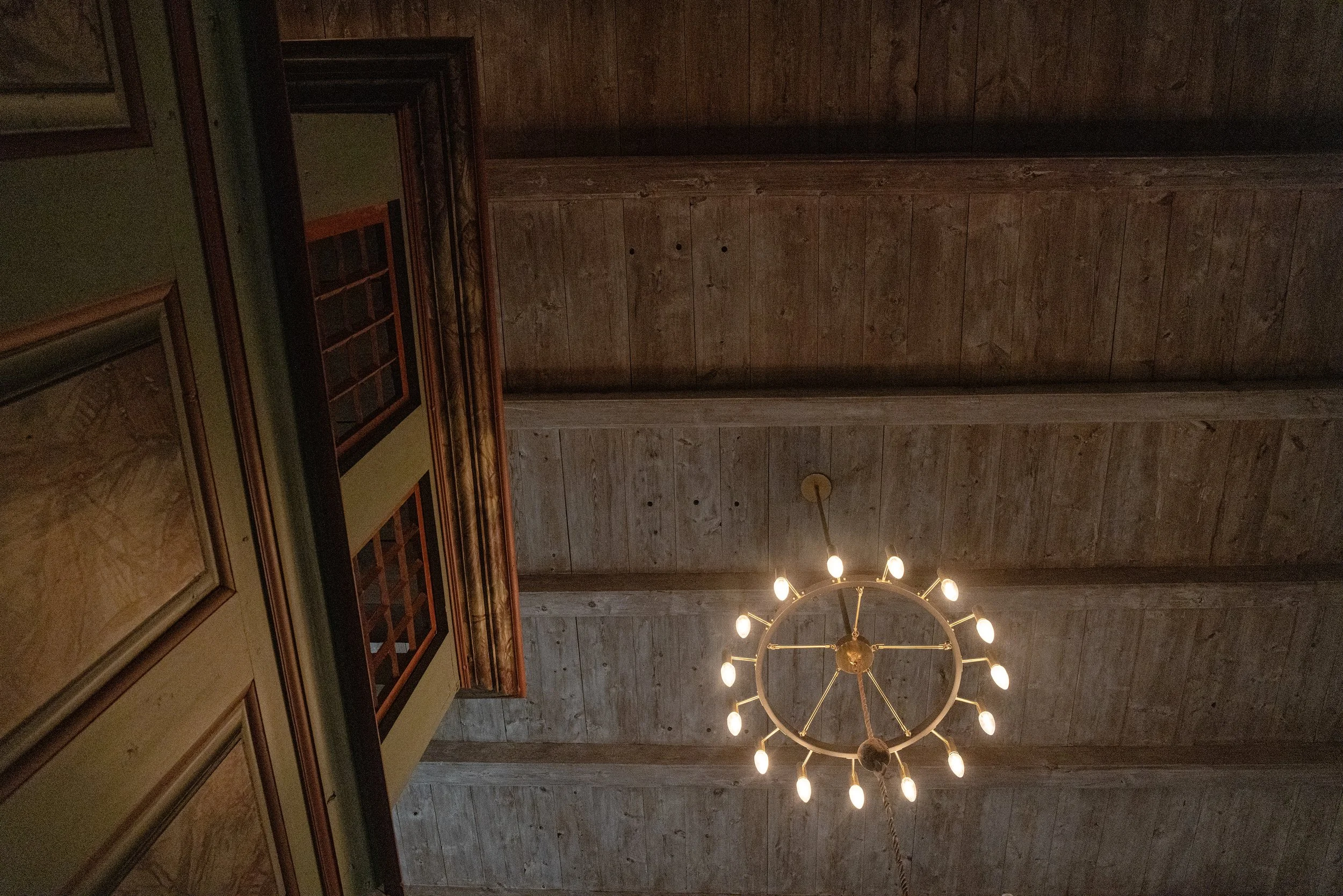
Experience a rare side of Northern Norway, and travel back in time on idyllic Gildeskål church site, where the medieval church from 1130 with original furnishings from the 18th century is the main attraction.
Feel the presence of history in the walls, of medieval architecture and learn about the history of faith in an idyllic setting. With a distance from Bodø In just over an hour by car, you travel through landscapes with majestic mountains, islands, small fjords and the open ocean close by.
The exhibitions
Gildeskål Kirkested offers a rich and diverse exhibition that gives you the opportunity to delve into the religious world of the Middle Ages, explore how priests and their families lived, and experience the strong historical heritage of the area. This is a destination that combines spectacular nature with deep cultural history, and is a must for anyone interested in Norway's religious history, but also those who want a fantastic excursion sprinkled with beautiful scenery, good conversations and history.
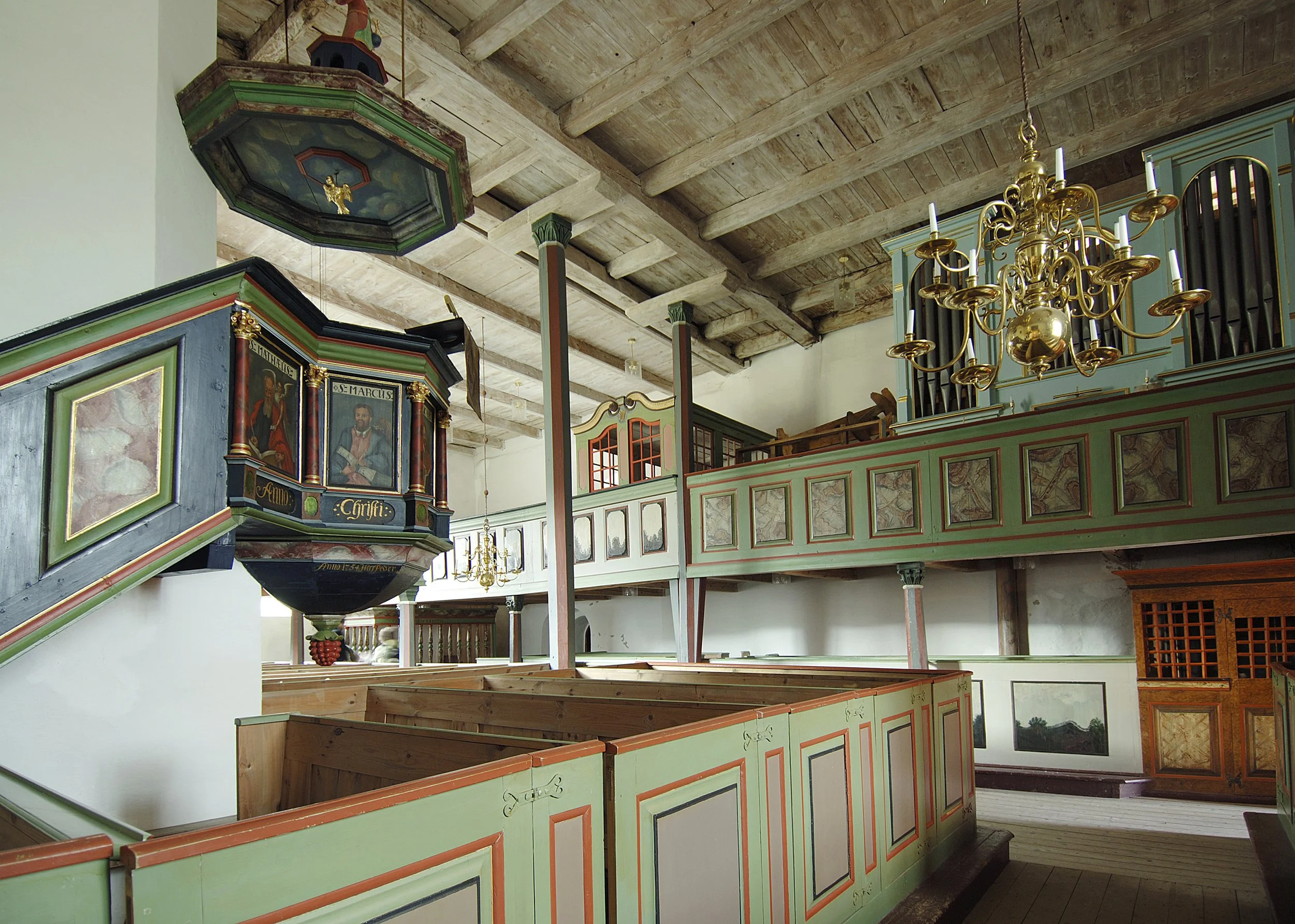
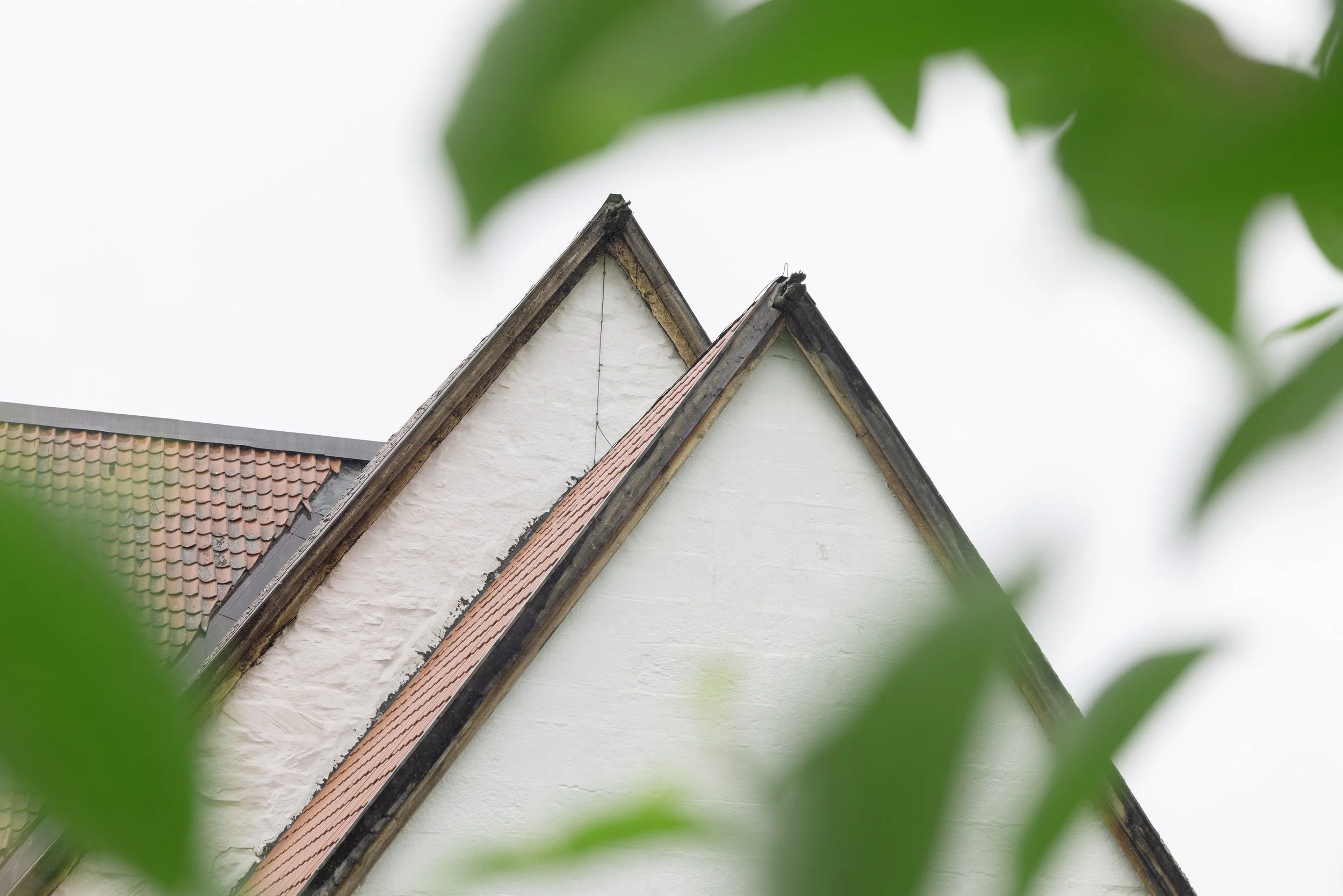
The area of the church site includes the impressive stone church from 1130, and is one of the best preserved medieval churches in Northern Norway. The exhibition takes you on a journey through 900 years of history and provides insight into how the church has been a religious and social gathering point throughout the ages. Here you can explore medieval building customs, symbolism and rituals.
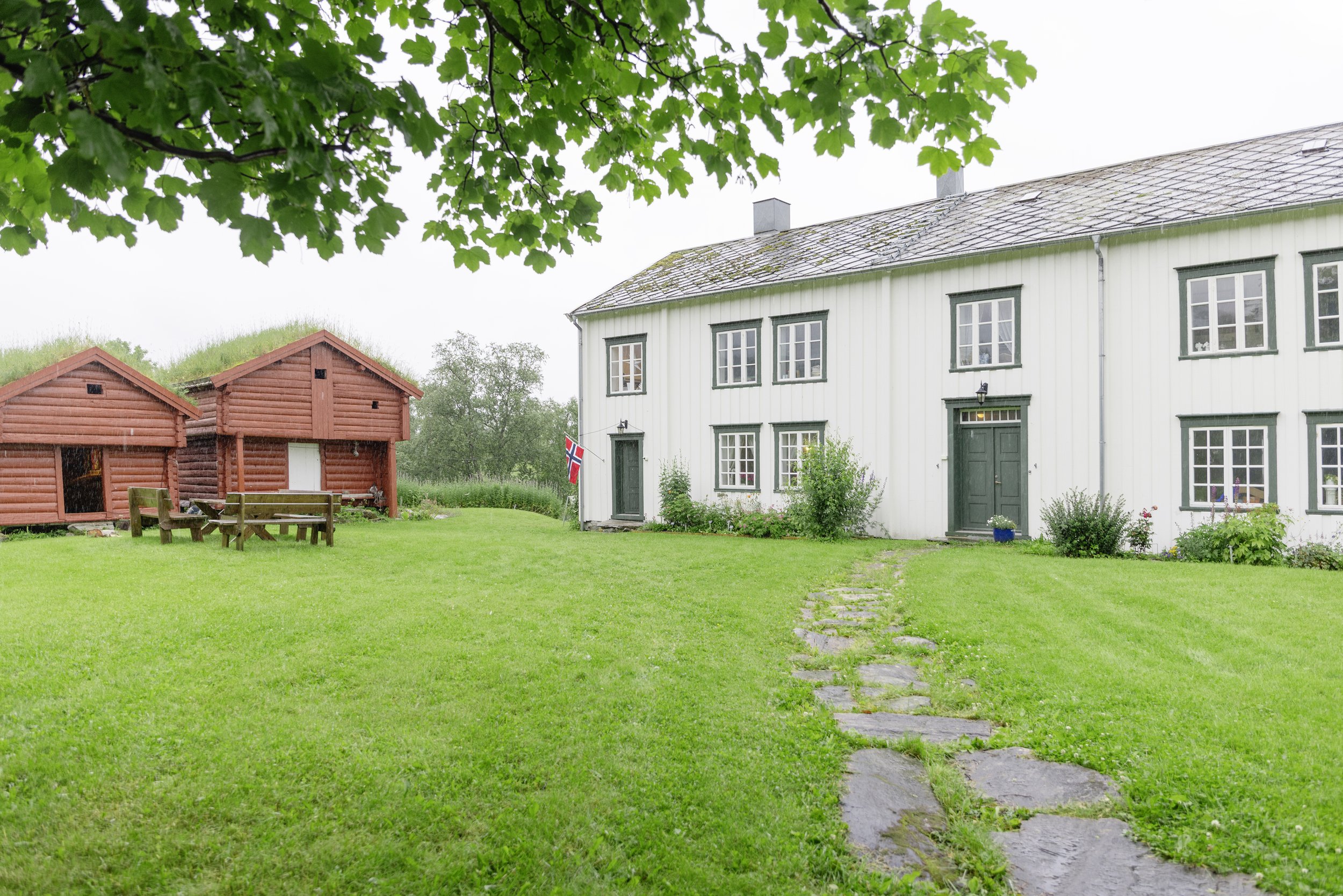
Right next to the medieval church is the old, well-preserved rectory from the 18th century, and has been a home for many generations of priests.
The newer church from 1881 is a symbol of the transition from the Middle Ages to modern times. The church is an important part of the overall church site, and is still in use today.
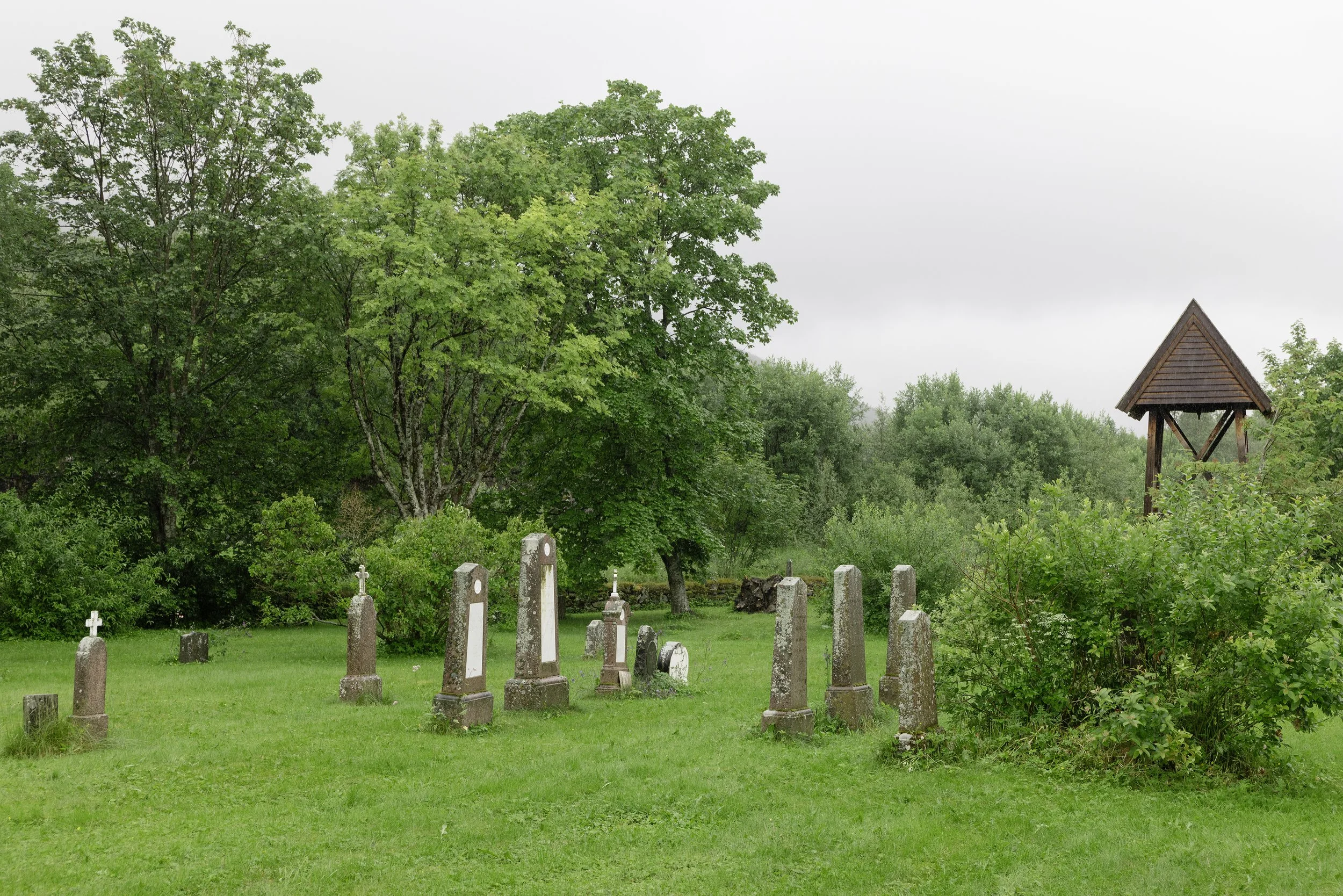
Around the church site you will also find a cemetery with old tombstones that give a strong sense of local history. Some of the tombstones are several hundred years old, and each stone carries its own story of people who have been part of the community in Gildeskål .
Opening hours
Gildeskål The church has been open during the summer season of 2026 and will reopen with regular opening hours in the summer of 2027. More information will be available in the spring.
Would you like to visit us in the meantime? You can book a tour even though we don't have fixed opening hours now — read more here .
Practical information
Entrance tickets are purchased upon arrival at the museum. Expected visit time is approx. 1 hour. Photography is permitted without the use of flash.
Prices
Adults NOK 90, students/honors NOK 70.
Children under 18 have free entry.
Groups (min. 10 paying) NOK 70 per person.
Special prices apply for visits outside of regular opening hours.
Facilities
Service building with toilet. Simple café in the summer season. Guide dog allowed. Narrow entrance doors on some buildings. Uneven terrain. No facilities for the visually/hearing impaired. Parking : There is a small parking lot at the church site that can be used.
Address
Booking

The history of the church
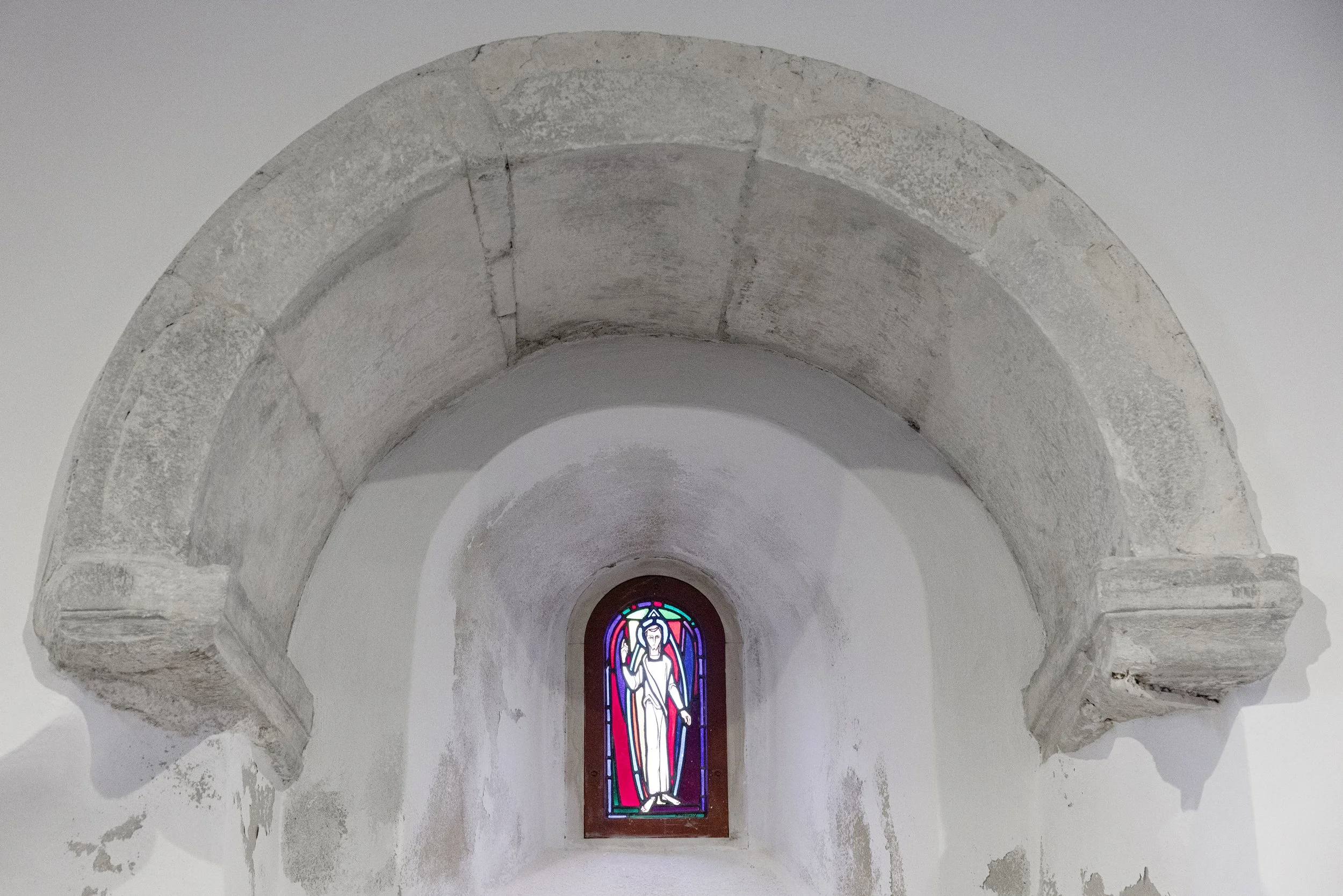
The history dates back to the Middle Ages, and is one of the most significant cultural monuments in Nordland. The medieval church was built in the year 1130, and is one of the oldest churches in Northern Norway. The church was originally built in the Romanesque style with thick stone walls and small windows, and has stood as a symbol of continuity and faith for almost 900 years.
In the 19th century, the population began to Gildeskål to grow, and therefore a larger church was needed. Gildeskål The new church was built next to the medieval church in 1881. The medieval church was given a new purpose as a sheep barn and hayloft for the rectory. In 1936, work began on restoring the medieval church, which was strongly influenced by its period as a barn. The work was completed in 1962, when the church was reconsecrated the same year, and is still used for ecclesiastical purposes to this day.
Both the medieval church and the new church are two important monuments that tell the story of the development of faith in the region.