
15th-century hospitality inspired an international project
In June, academics, artists, social actors, local residents and researchers will gather at Røst and in Bodø to explore the concept of "hospitality." A project inspired by a story from the 15th century.
A place where hospitality is the focus
The story of Pietro Querini forms the basis for the international project, which has been named the Hospitality Symposium. Nordland County Library had the idea for the project, and it has further developed into an interdisciplinary project in Nordland County Municipality. The symposium is based on the story of Pietro Querini and the warm meeting he had with the people of Røst. The symposium explores the concept of "hospitality" through art, research, cultural history, social reflection and what it means to meet each other with openness, respect and curiosity.
The Hospitality Symposium is a collaboration between Nordland County Municipality, Nordland County Library and Via Querinissima, and will be held for the first time in 2026.

Voice / Photo: Marianne Sørås Normann
The Jekt Trade Museum and the Hospitality Symposium
This year is The Jekt Trade Museum an active participant in the symposium, both as an academic contributor and host. Magnus Sivertsen Sørvig and Erika Søfting from Nordlandsmuseet will give lectures on the role of hospitality in the era of the fjords. They will also talk about how strangers were welcomed when they traveled north, what connections Northerners had through fjords and trading posts south and around the world, and how they were connected to Europe.
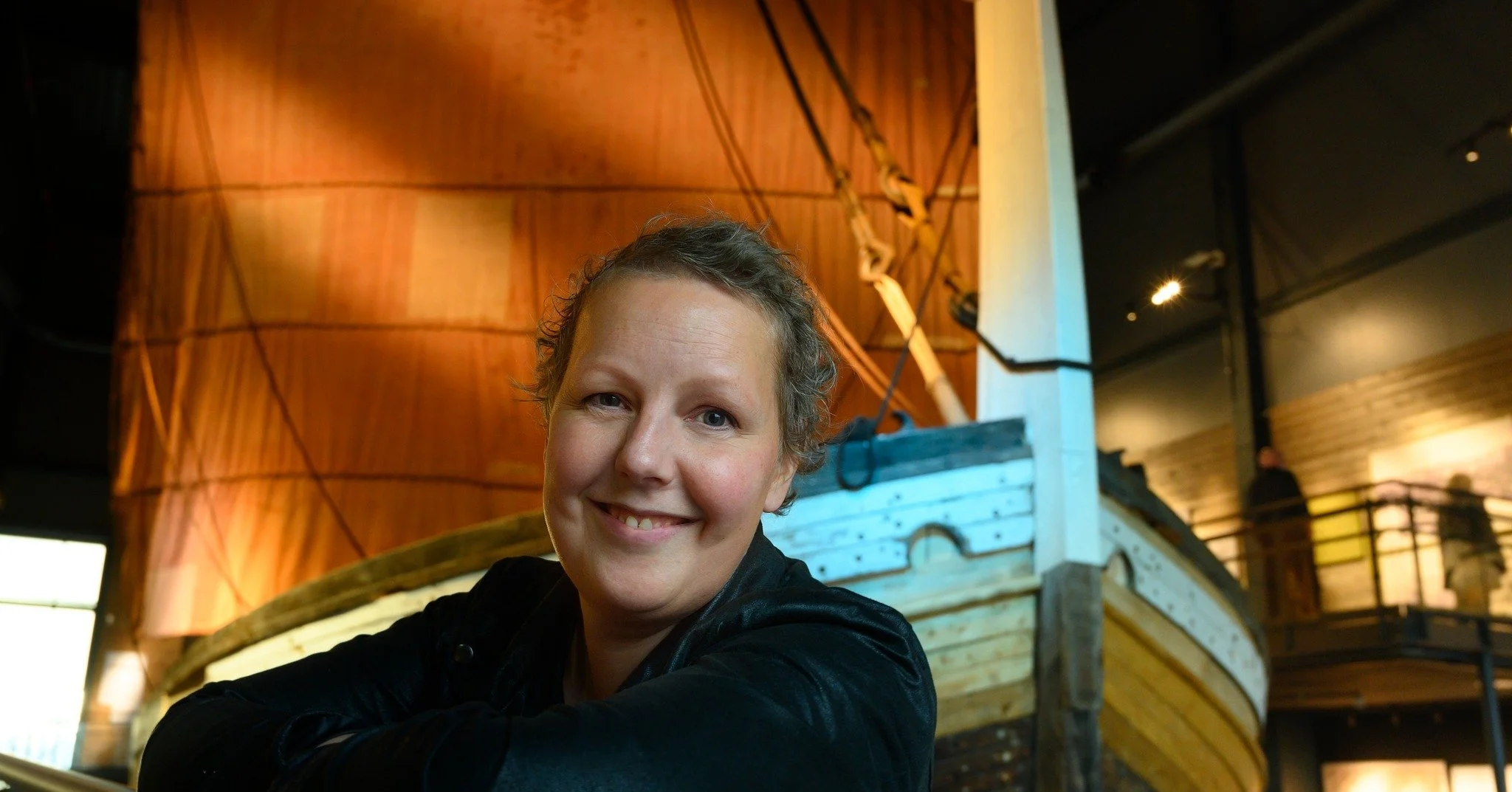
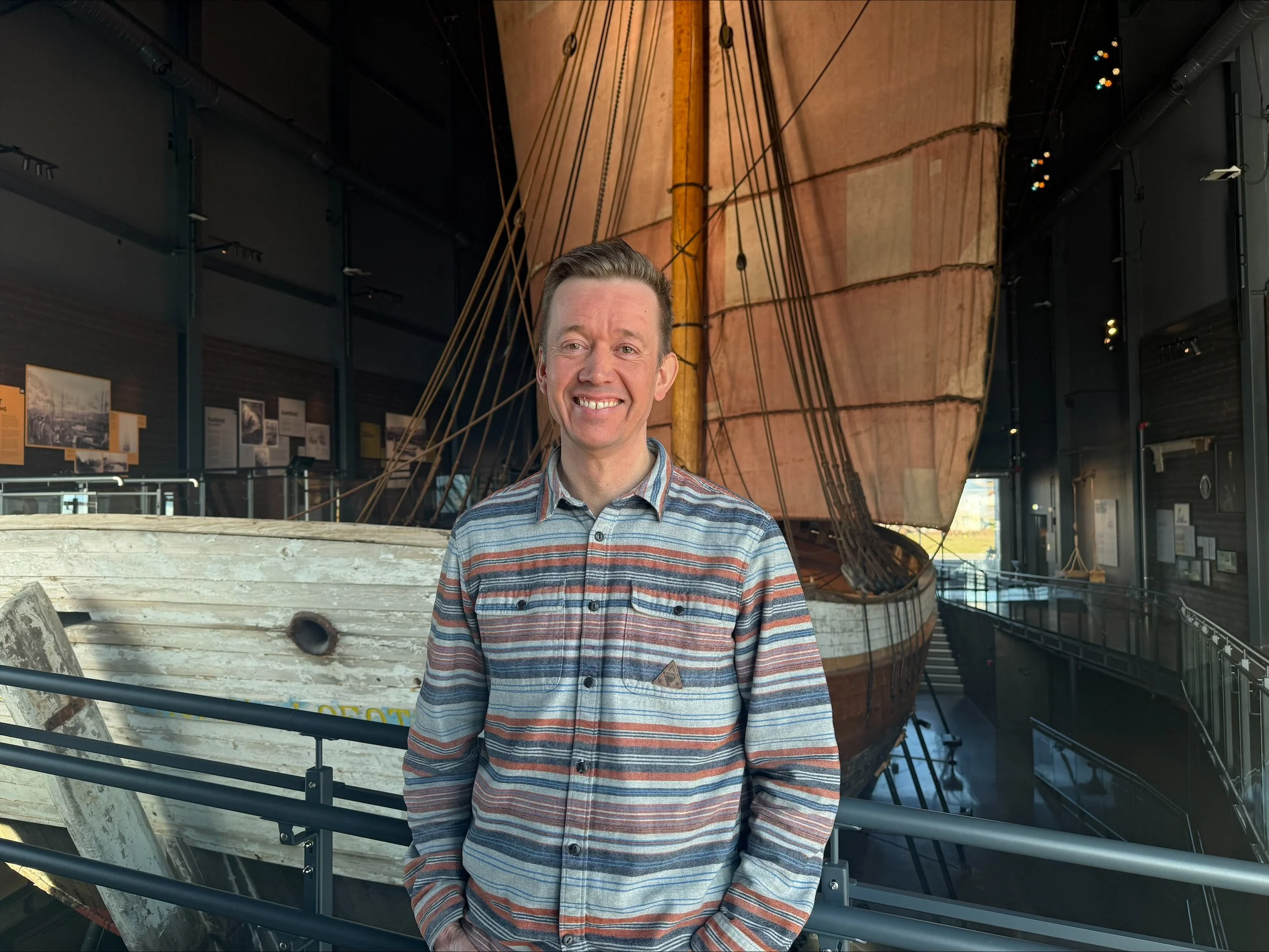
Erika Søfting is an ethnologist and is head of research and collection at Nordlandsmuseet . She worked extensively with the cultural history of Northern Norway, and especially with coastal culture and trade history. Magnus Sivertsen Sørvig is a drama and theatre teacher, and works as a subject manager for the dissemination of Northern Norwegian coastal culture and history in Bodø , Gildeskål and Meløy .
History from the 15th century
In the winter of 1432, the Venetian merchant Pietro Querini was cast ashore on Røst after a dramatic shipwreck. After eleven days, Querini and his crew were discovered by a Norwegian fisherman and his sons, and were taken to Røst where they were met with exceptional hospitality. He remained on Røst for several months before traveling south again via Trondheim, and back to Venice.
Querini was deeply moved by what he experienced, and later described the community on Røst as religious, honest and warm - a community characterized by trust and community. His account provides a unique insight into life in northern Norway in the 15th century, and reminds us that hospitality can build bridges between people across languages, faiths and cultures.

Voice / Photo: Marianne Sørås Normann
Significance in later times
The journey of Pietro Querini is well documented through his own account and the report of the ship's officer who accompanied him. When Querini returned to Venice, he had to present his story to the Senate. The documentation became an important source of knowledge about Northern Norway and the encounter between different cultures in the late Middle Ages. Historians, linguists and cultural researchers have since used it to understand the interaction between trade, geography and human relations.
In the 15th century, Venice was a leading European center for map production. The information Querini brought with him from northern Norway was therefore used and referenced in several cartographic works and visual representations.
Open to the public
The Hospitality Symposium will be held every other year, and the first edition will take place in Bodø and at Røst from 3 to 5 June 2026. It is aimed at anyone interested in the interaction between culture, society, art and tourism - with particular emphasis on topics such as hospitality, sustainability and human rights. It is well suited for professionals, students, artists, cultural workers and academics, but is also open to curious participants without prior knowledge.
Participation is open to everyone and requires registration with a participation fee.