
The Blood Road Museum
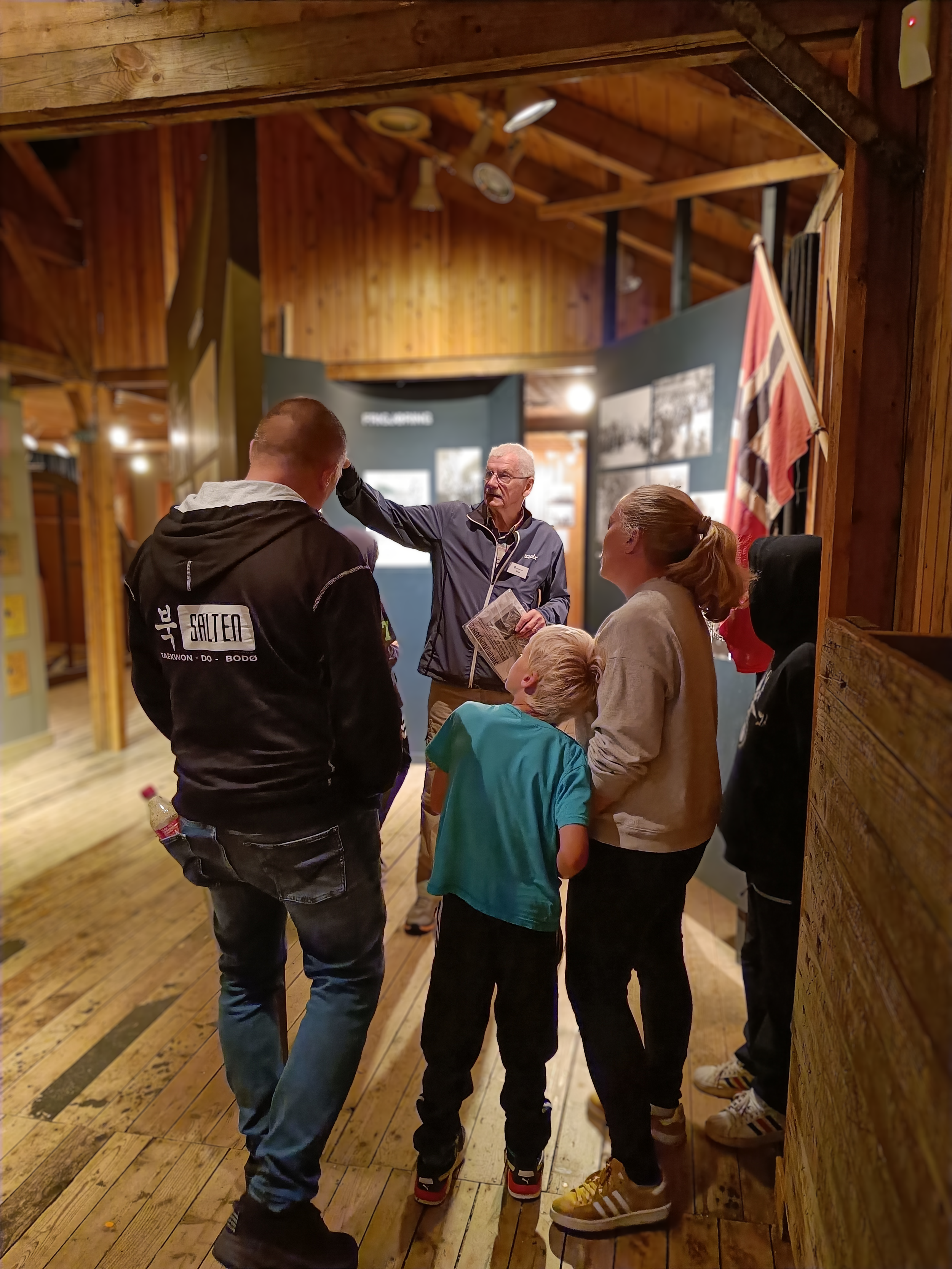
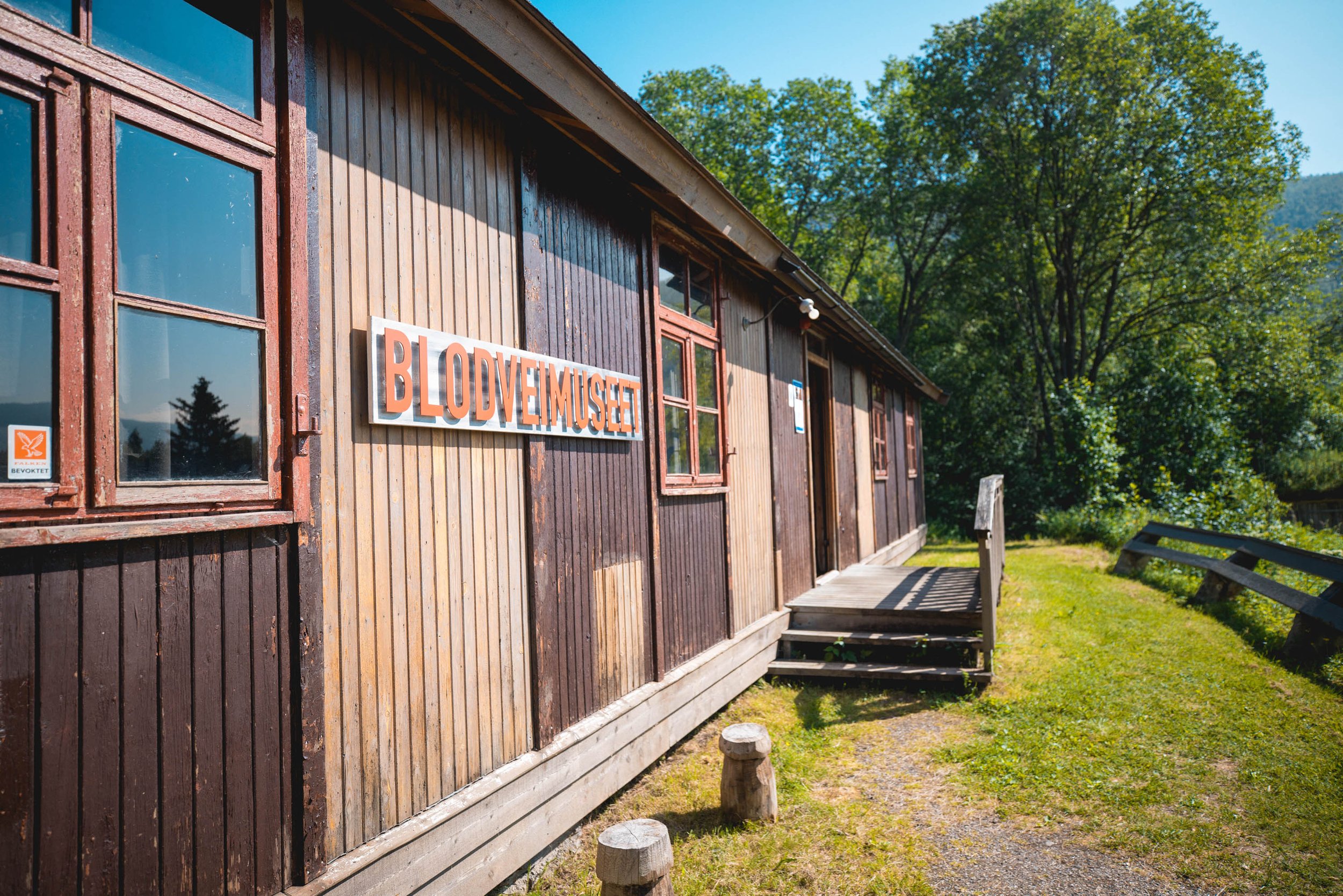
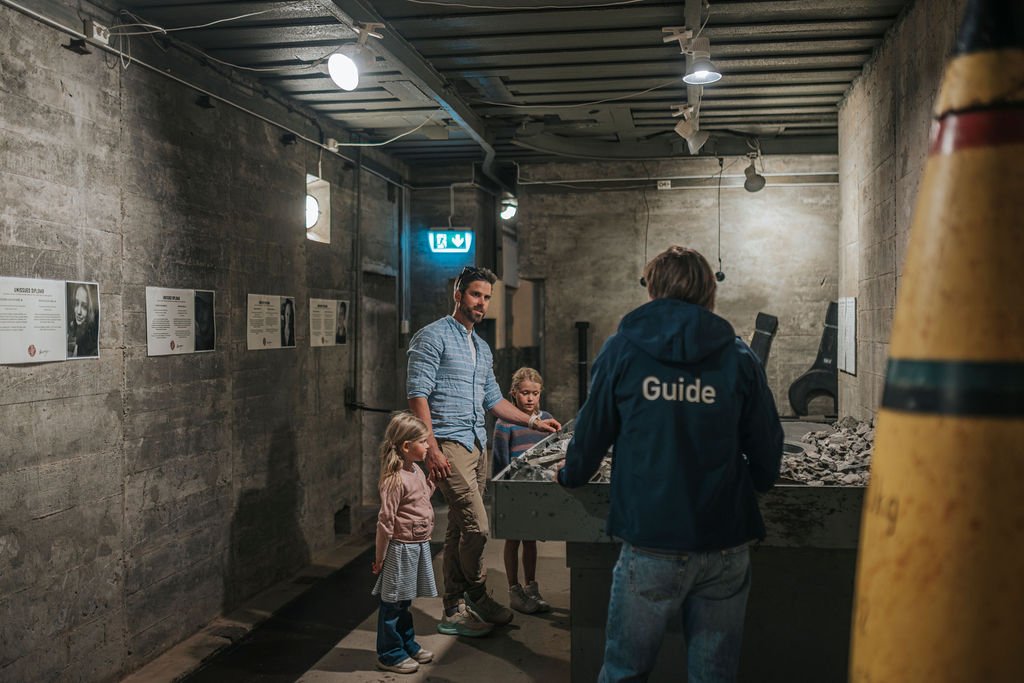
At the top of Saltdal village park is The Blood Road Museum. In a German barracks from Dunderlandsdalen, the story of the life and work of prisoners of war under the German regime 1942-45 is told. Tens of thousands of Eastern European prisoners of war were sent north to build roads and railways, and they toiled in inhumane conditions. Many never returned.
At the Blood Road Museum you get a different tour in surroundings where the silence is palpable. Here words become scarce and impressions are many. An important journey through a time that must never be forgotten.
The exhibitions
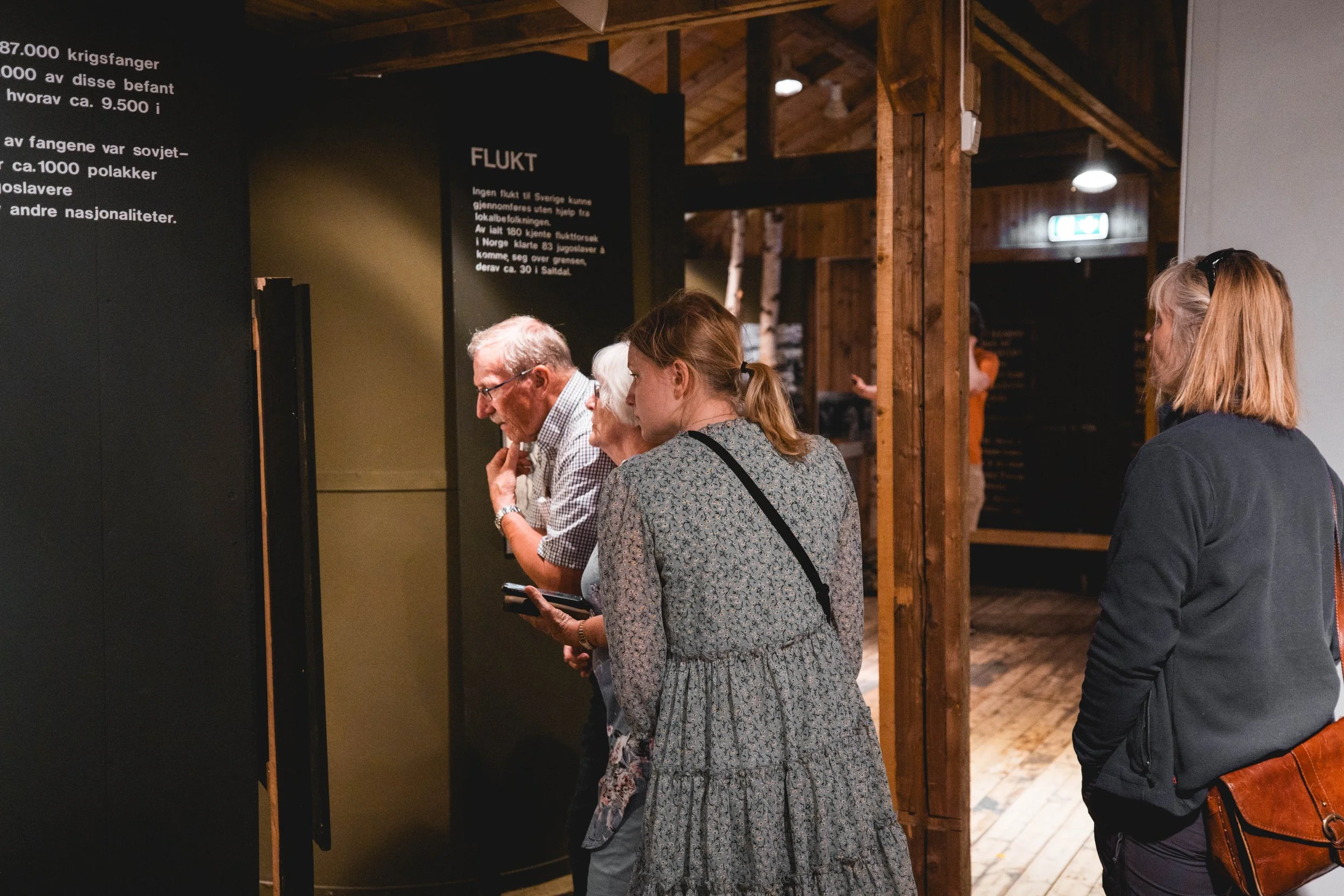
Nordland was the largest prison county in Norway and most of them worked on the roads and railways. Saltdal was the municipality with the most prisoners at the end of the war. The Blood Road Museum conveys the lives of the prisoners and their encounter with a brutal and heartless system, but also the encounter with a local population who did their utmost to help the starving prisoners.
The Kreyberg film and the Blood Road
Several films have been made about the events surrounding the Blood Road. Currently, we are showing a short documentary from the peace days in 1945 made by the doctor Leiv Kreyberg. Kreyberg was an officer in the army's medical service, and the film shows clips from Dunderlandsdalen, Saltfjellet and Megården. After the war, Kreyberg was the commander of the camps for former prisoners of war in Northern Norway.
The Blood Cross
You can also go along the Blood Road to the war cemeteries in Botn. On the route you can see, among other things, the blood cross in the rock face and the memorial at Dalmovika. In Botn there are 2 war cemeteries, one Yugoslav and one German, along with a Soviet memorial that shows where a former Soviet cemetery was located.
Read also about Saltdal Folk Museum which are located in the same place.

Opening hours
The Blood Road Museum has been open during the summer season of 2026 and will reopen with regular opening hours in the summer of 2027. More information will be available in the spring.
Would you like to visit us in the meantime? You can book a tour even though we don't have fixed opening hours now — read more here.
Practical information
Entrance tickets are purchased upon arrival at the museum. Expected visit time is approx. 45 minutes. Photography is permitted without the use of flash.
Prices
Adults NOK 90, students/honors NOK 70.
Children under 18 have free entry.
Groups (min. 10 paying) NOK 70 per person.
Special prices apply for visits outside of regular opening hours.
Facilities
Free parking. Wheelchair ramp. Toilet in Skippergården which is located nearby. Skippergården has unfortunately not undergone adaptations for disabilities.
Address:
Arrival
2 km north of Rognan city center. There are several roads leading to the Blood Road Museum:
Route 80 from Bodø to Fauske and further along the E6 to Rognan.
Rv. 17 to the exit for Rv. 812 and then follow E6 to Rognan.
Rv. 77 over Graddis and Junkerdal to the intersection at Storjord. From here, drive E6 down to Rognan.
This happens:
Booking


History of the museum
Nordland was the largest prison county in Norway and most of them worked on the roads and railways. Saltdal was the municipality with the most prisoners at the end of the war. The Blood Road Museum conveys the lives of the prisoners and their encounter with a brutal and heartless system, but also the encounter with a local population who did their utmost to help the starving prisoners.