
Fauske Folk Museum
Practical information | What's happening | Booking | History of the museum
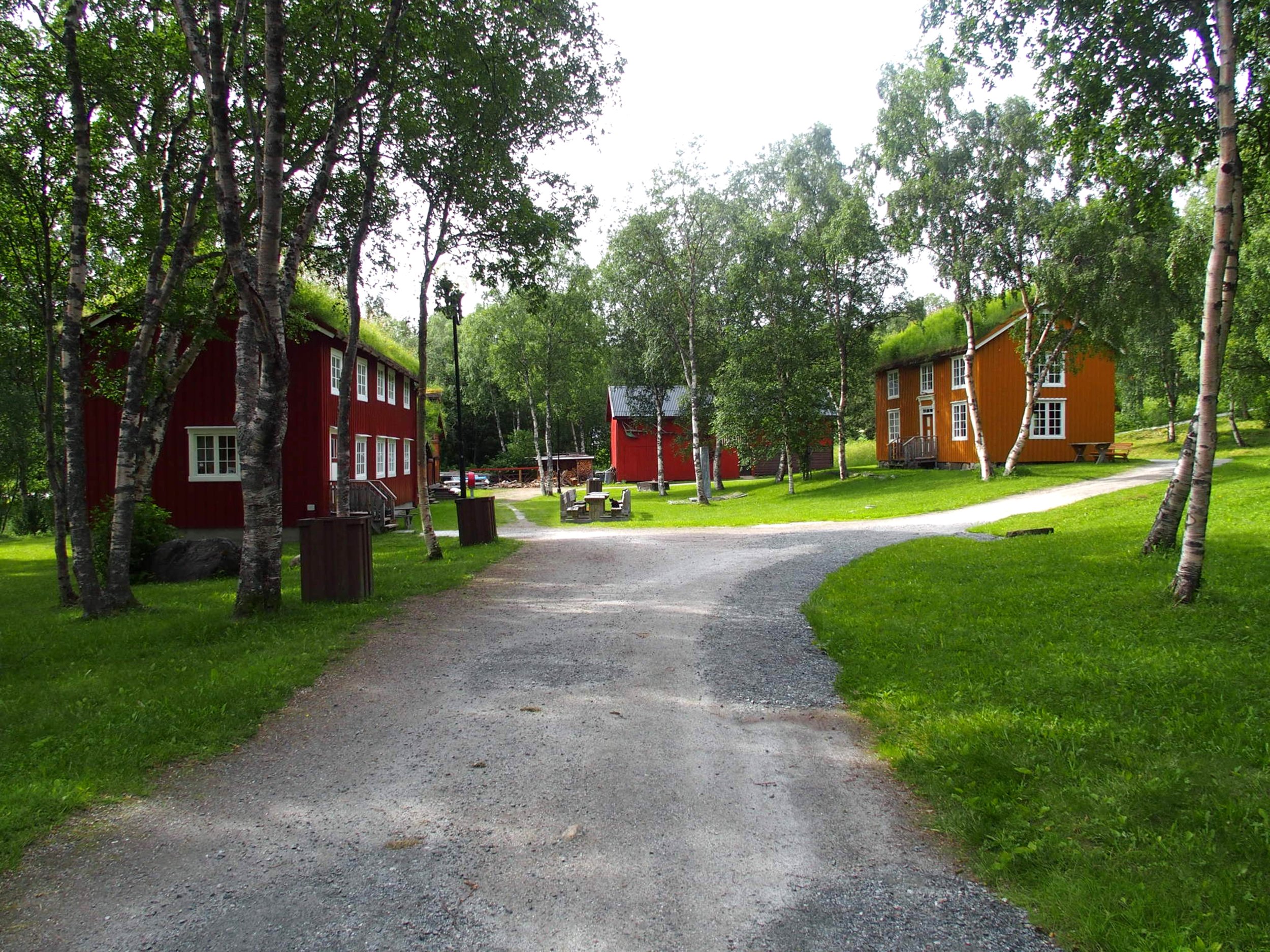
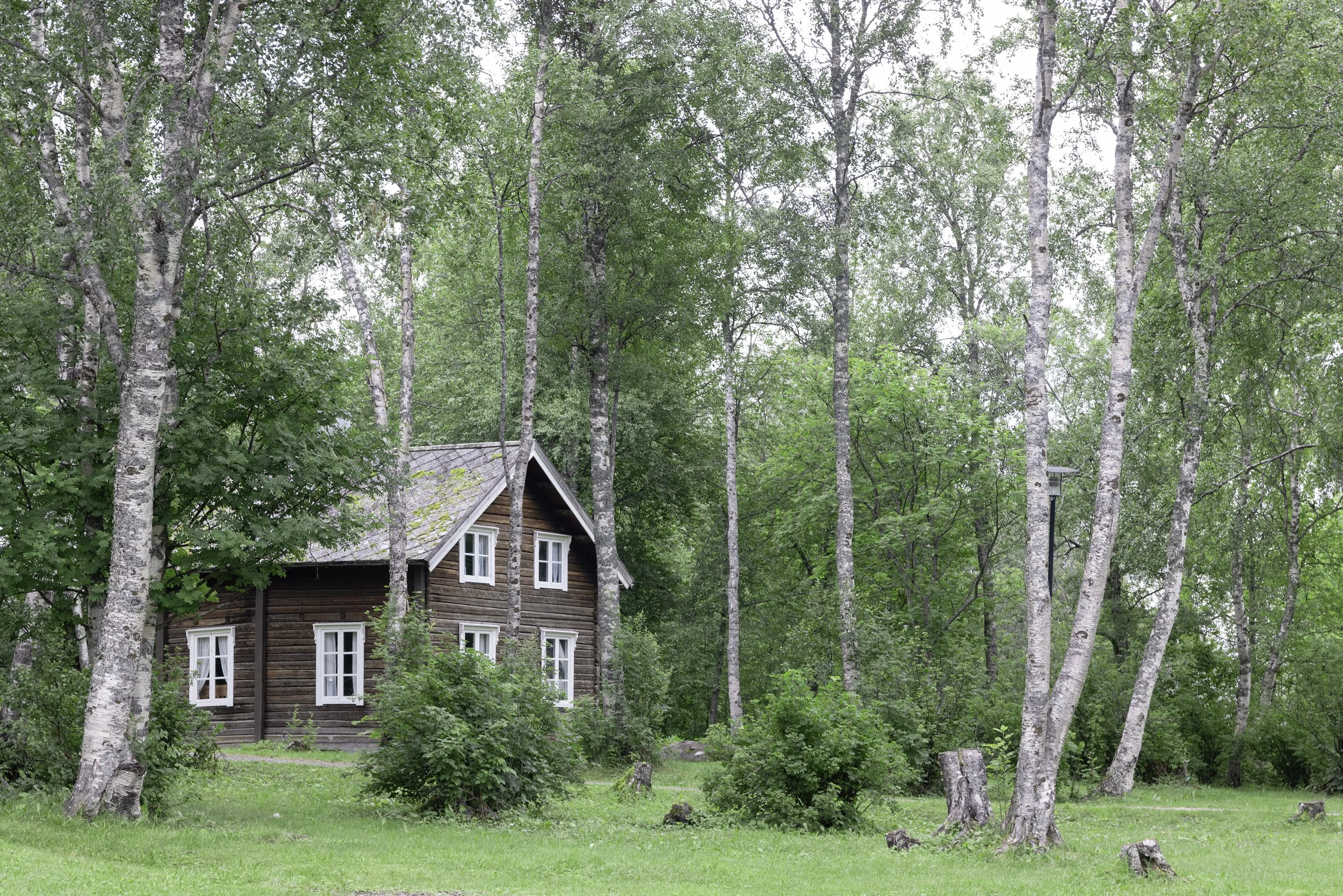
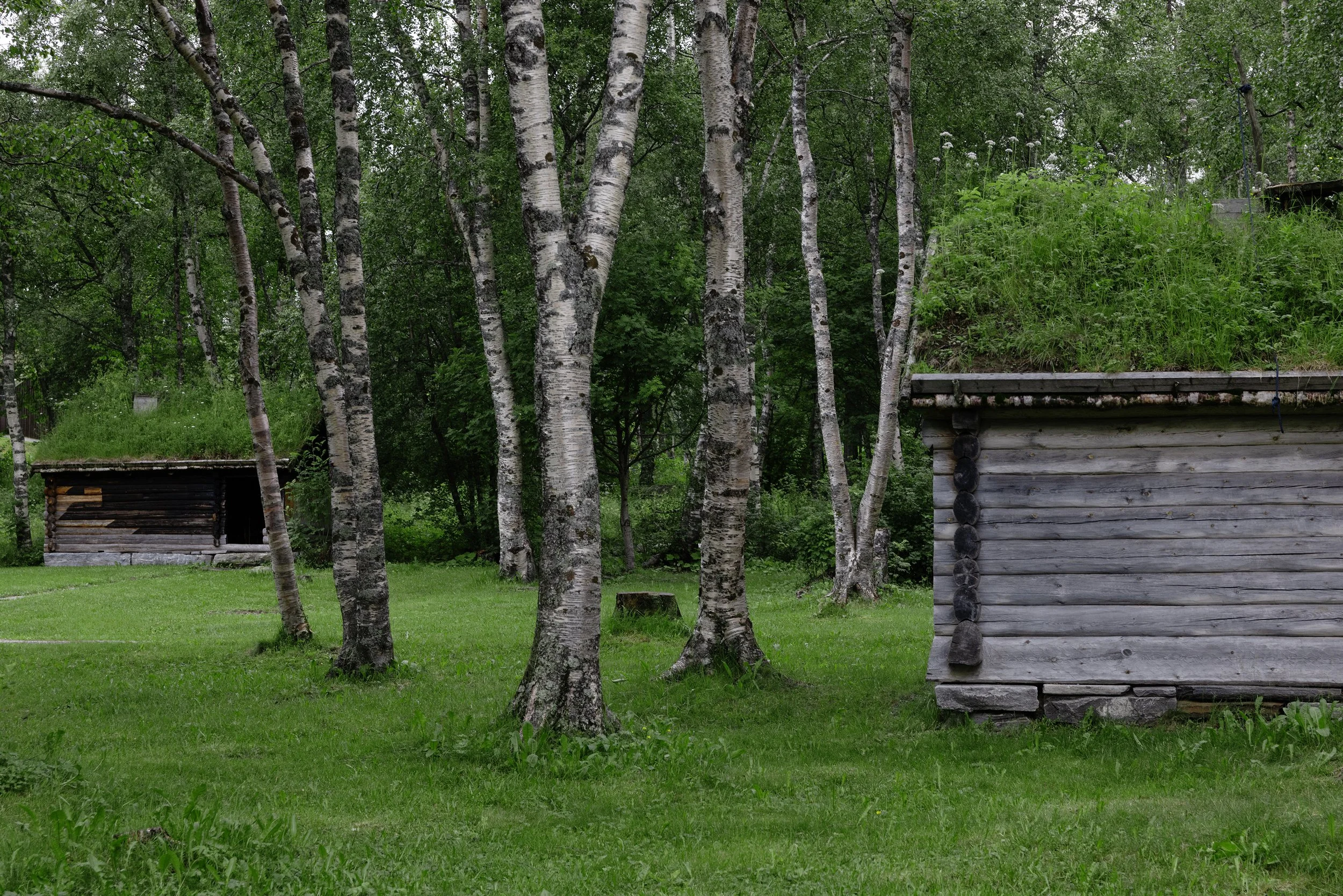
Just a stone's throw away from the busy streets of Fauske lays the folk museum. The museum faces the fjord, surrounded by a beautiful birch forest. The main theme of the museum is clothing. Here we tell the history of Salten based on the clothes people of the past wore.
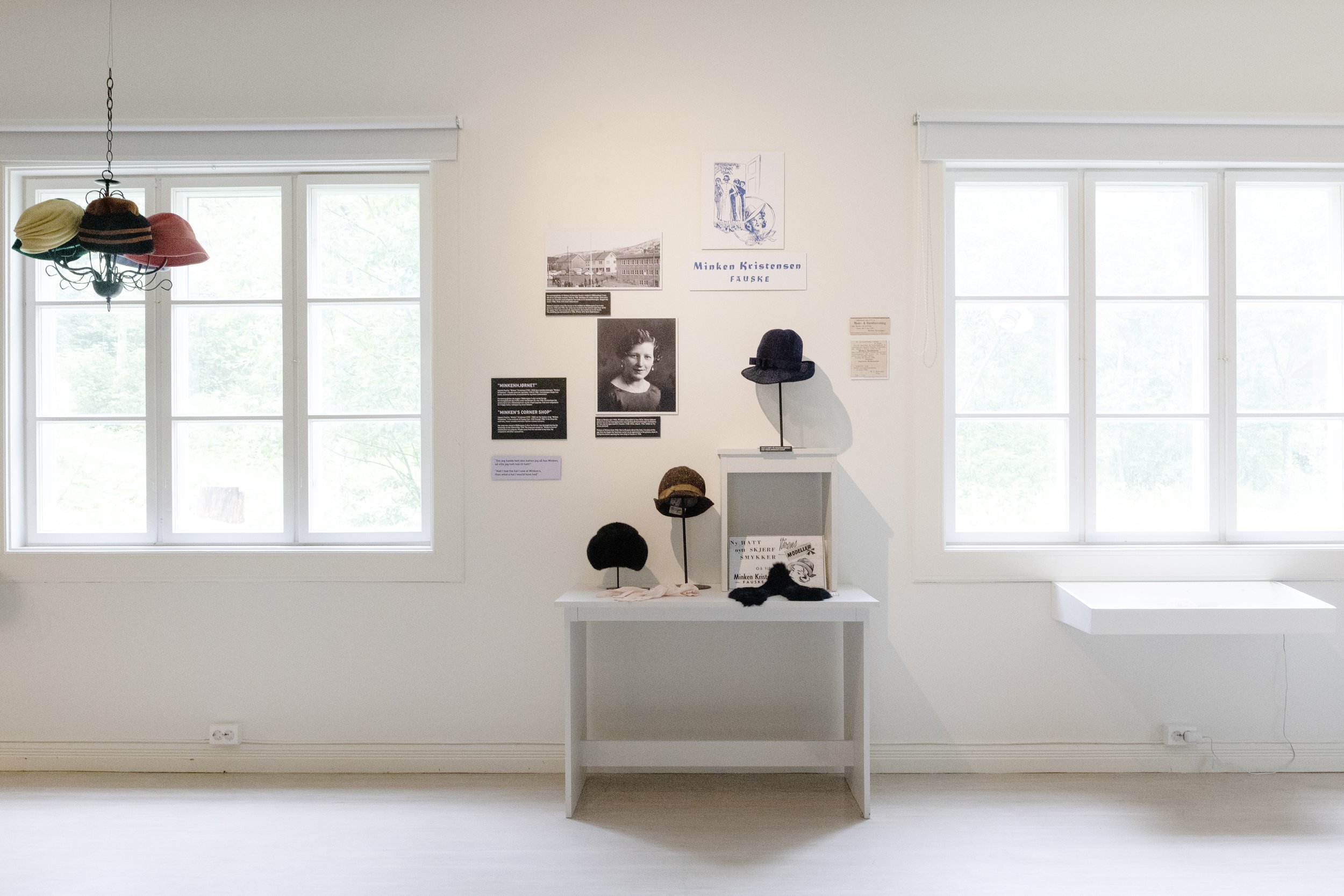
In both the permanent and changing exhibitions, we display historical costumes from all walks of life. In this season's exhibition, you can see beautiful hats from the museum's collection in the hat exhibition.
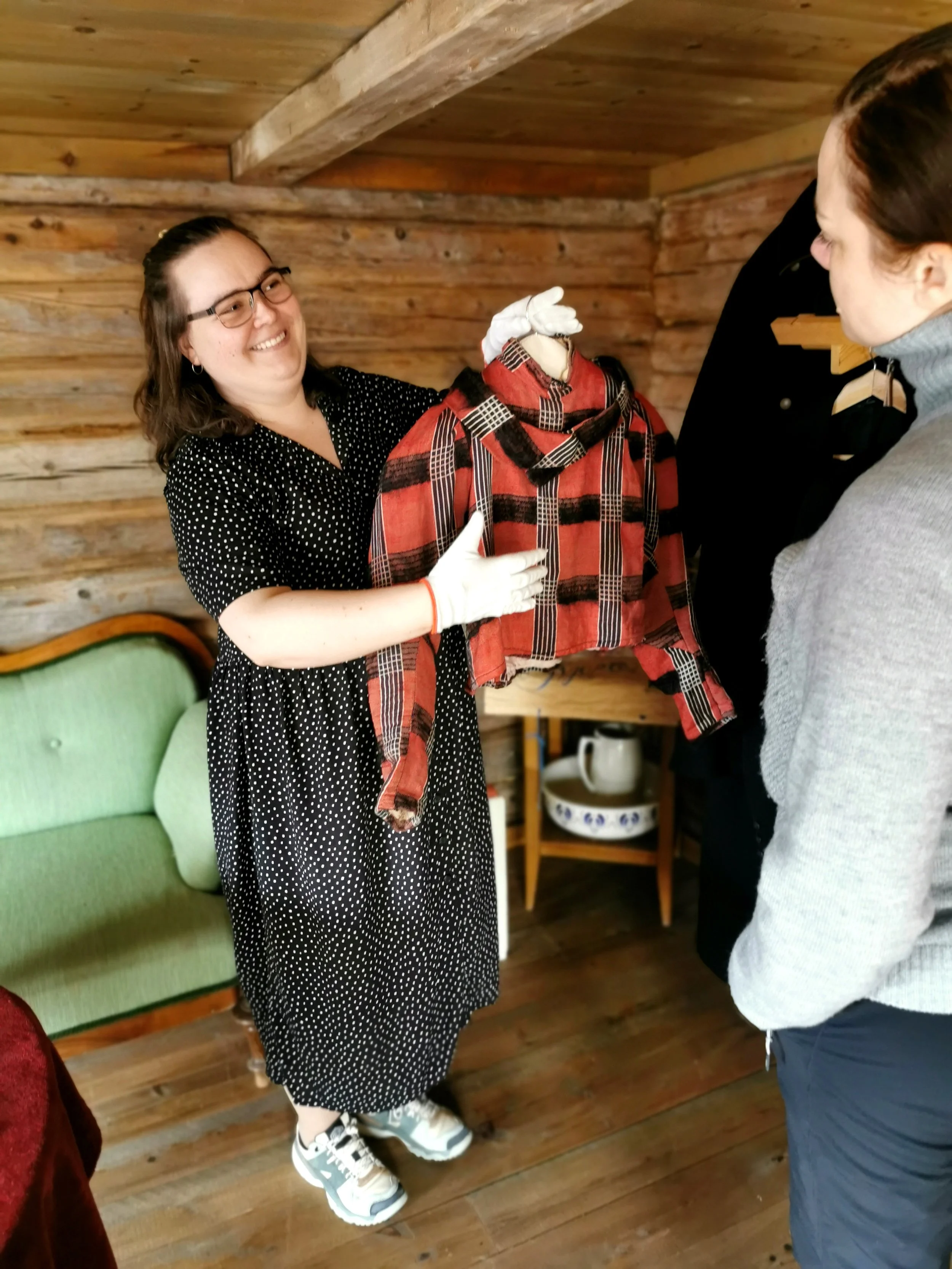
The knowledgeable hosts are happy to show you around the rich exhibitions at the Folk Museum .
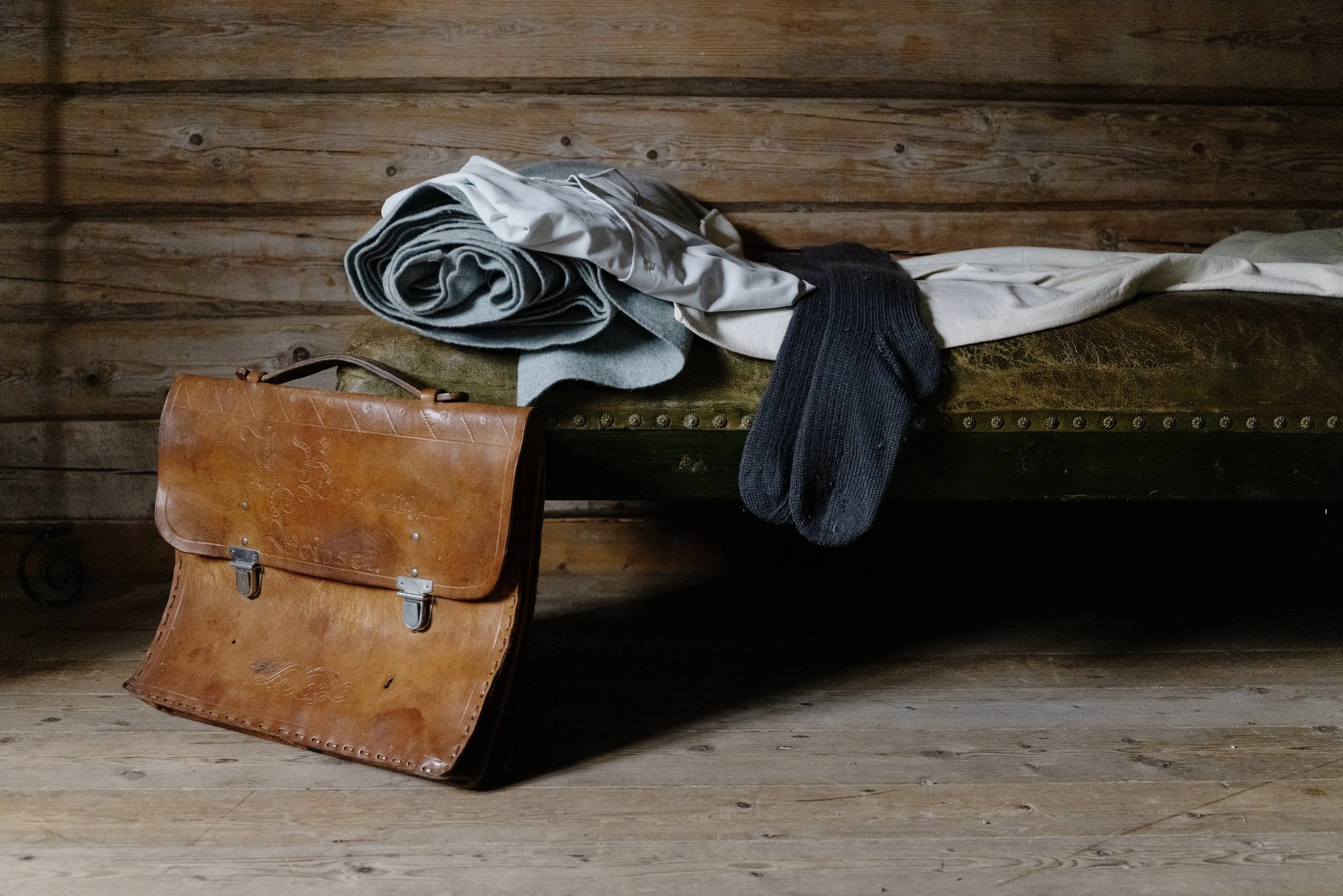
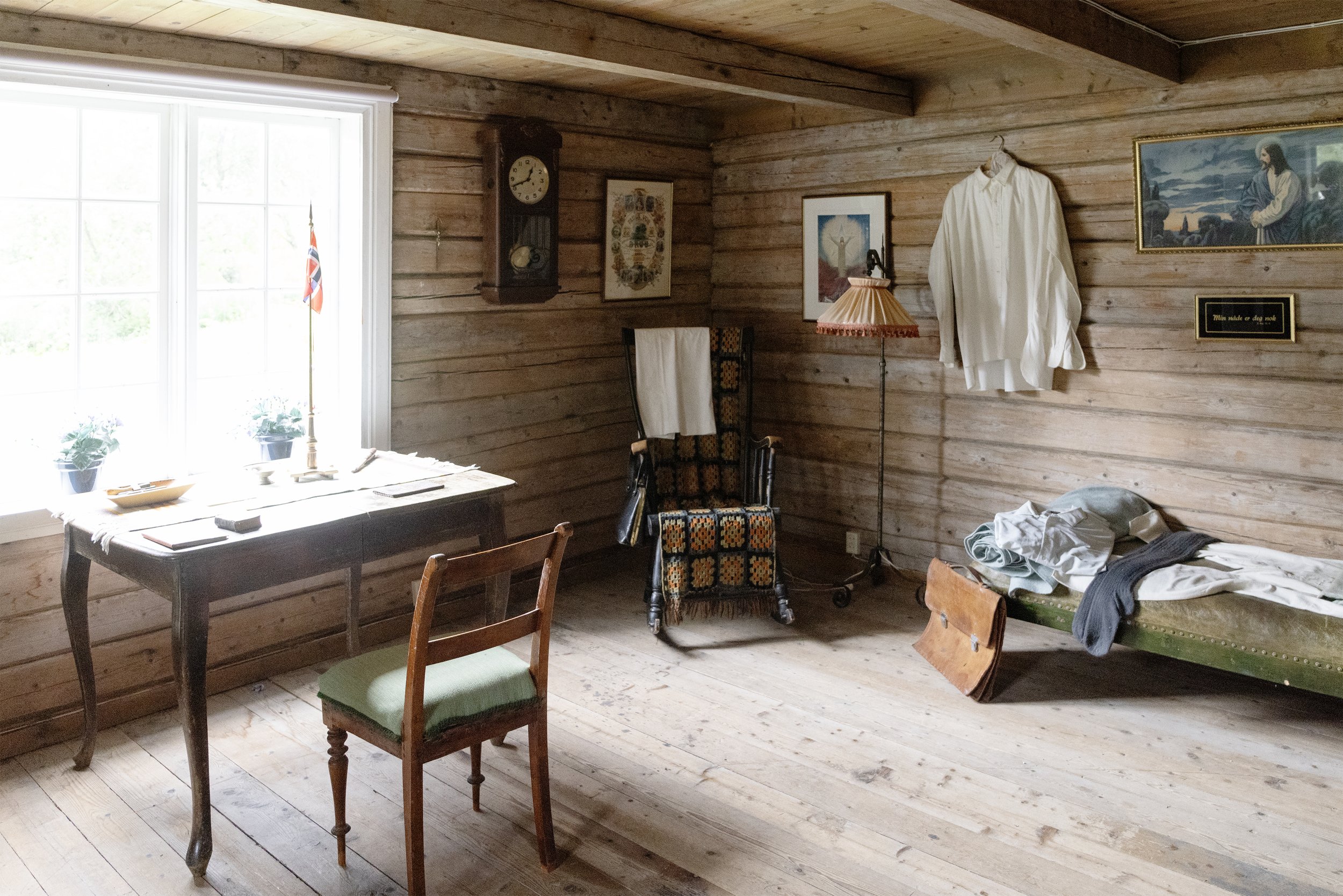
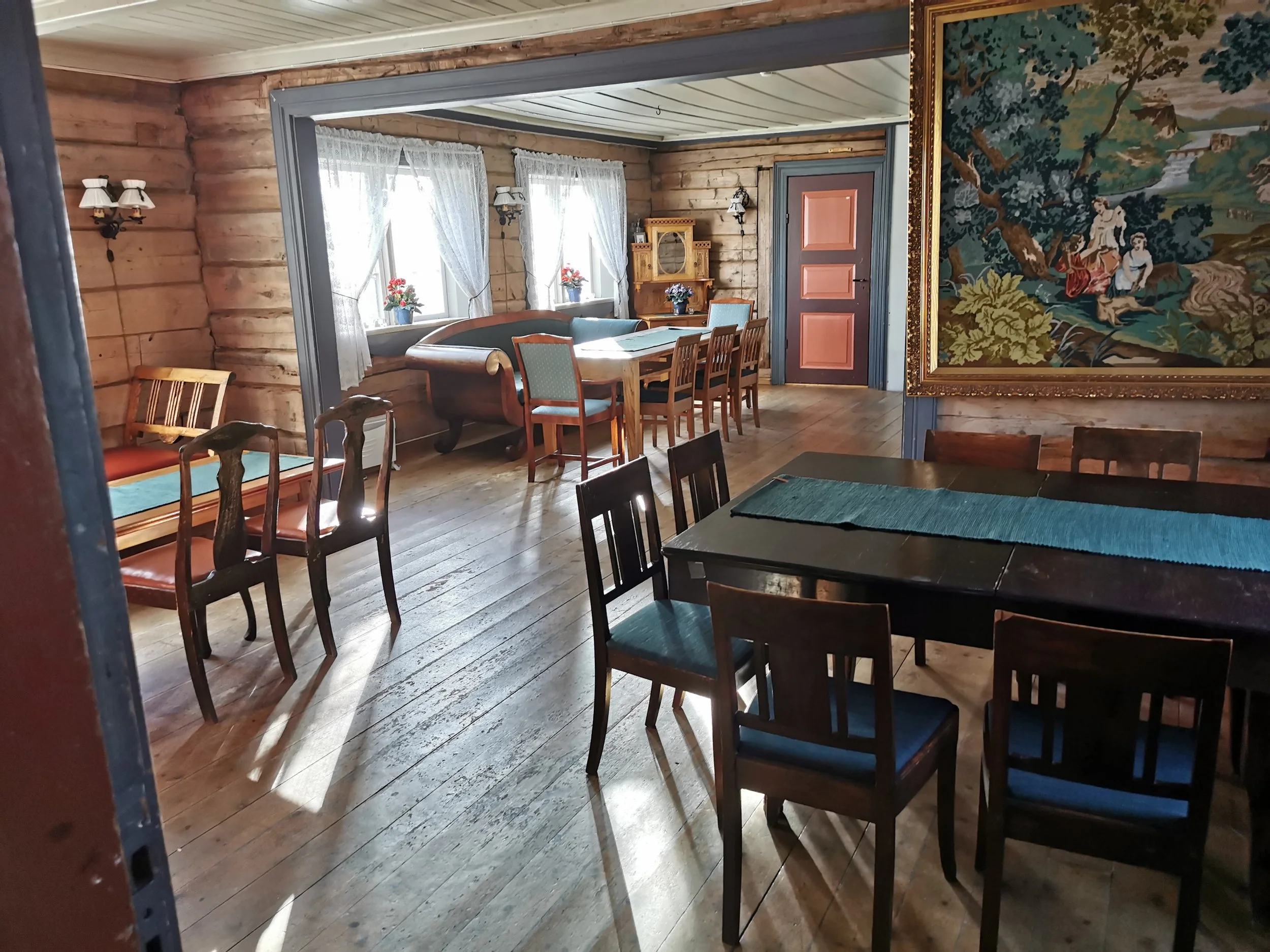
In Knurvikhuset you can experience part of Salten's costume history. Our collections here consist of everything from the poor man's worn and patched waistcoat to the civil servant's wife's silk suit in the fashion of the time from Paris.
Here we also have an exhibition about the local "healer" Johannes Brateng. In his time, he was known far beyond the borders of Fauske and was said to be able to cure everything from back pain to appendicitis.
Opening hours
Fauske Folk Museum has been open during the summer season 2026 and will reopen with regular opening hours in the summer of 2027. More information will be available in the spring.
Would you like to visit us in the meantime? You can book a tour even though we don't have fixed opening hours now — read more here.
Practical information
Entrance tickets are purchased upon arrival at the museum. Expected visit time is approx. 1 hour. Photography is permitted without the use of flash.
Prices
Adults NOK 90, students/honors NOK 70.
Children under 18 have free entry.
Groups (min. 10 paying) NOK 70 per person.
Special prices apply for visits outside of regular opening hours.
Facilities
Toilet/disabled toilet in Rødbrakka. Free parking. Museum shop. Other buildings have not undergone adaptations for disabilities.
Address
This happens:
Red barracks
In Rødbrakka, which is the village hall's administration building, we have changing exhibitions.
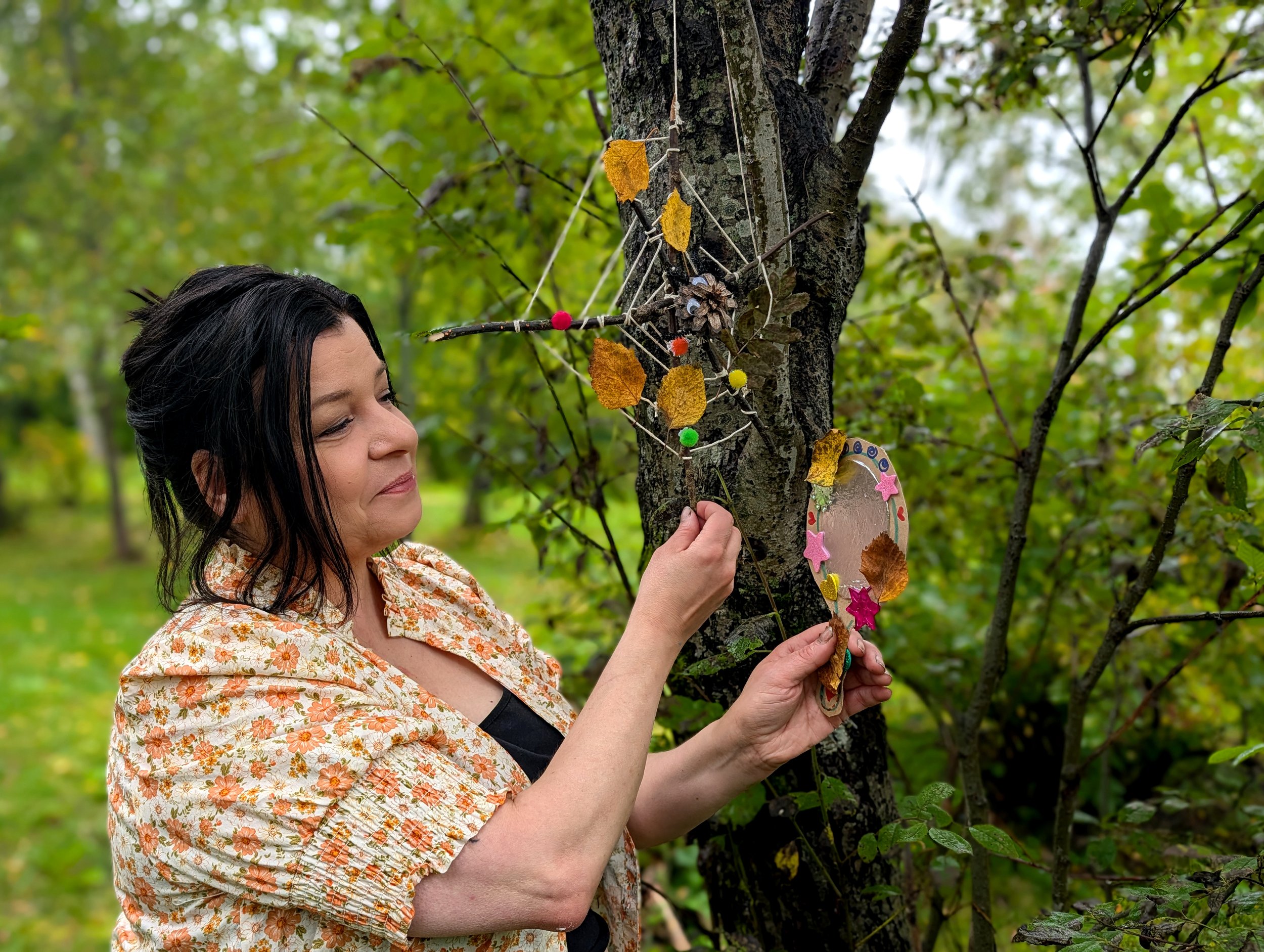
Here we are currently showing the colorful exhibition "Fine People and Fine Hats" with a sea of beautiful hats in the museum's collection. Here you can learn more about different hat types, make your own paper hats, sit as a hat model in an old-fashioned photo studio and much more.
Here you will also find a charming museum shop, with items such as old-fashioned toys, handmade whisks, knitting kits and books.
Grandma's room
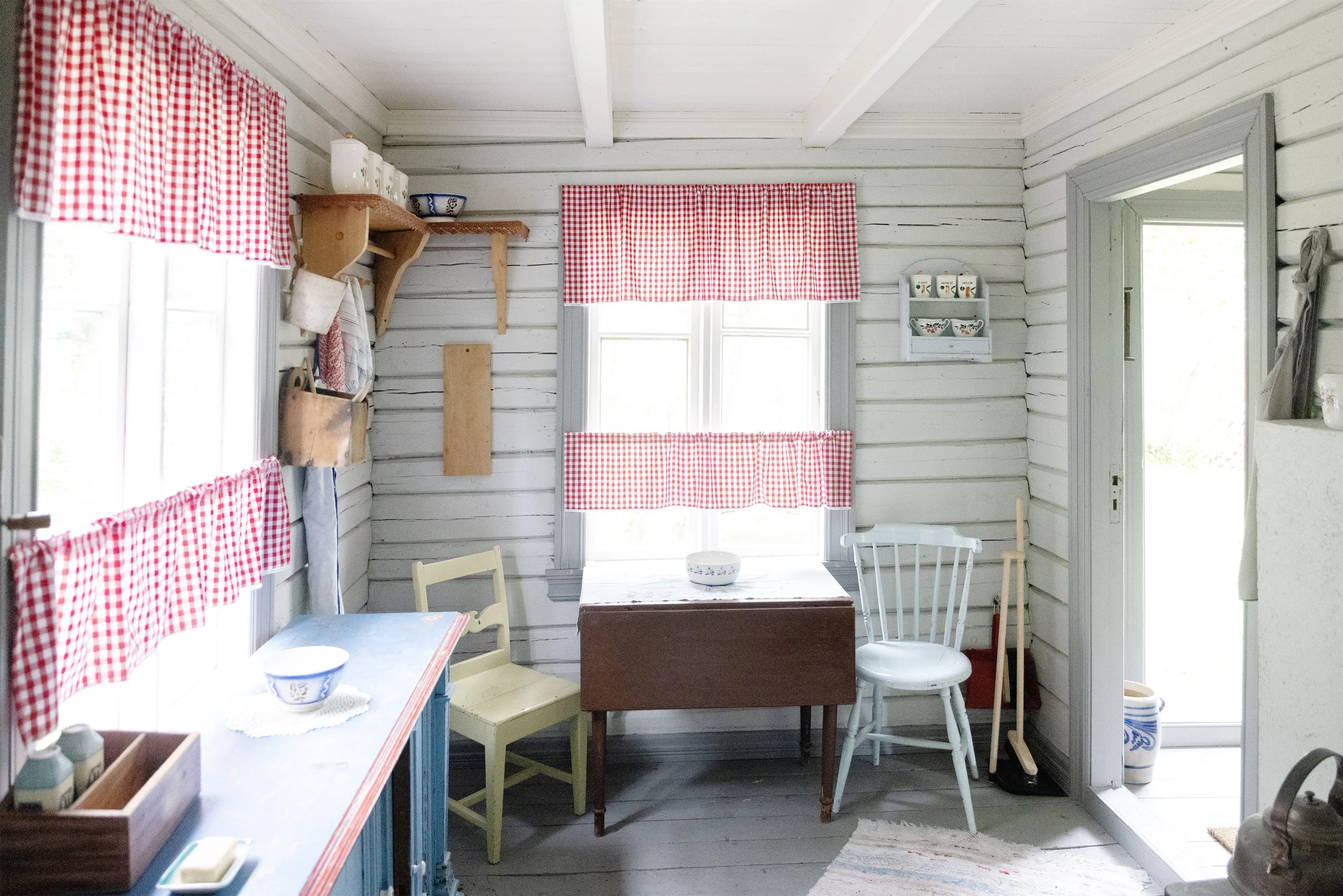
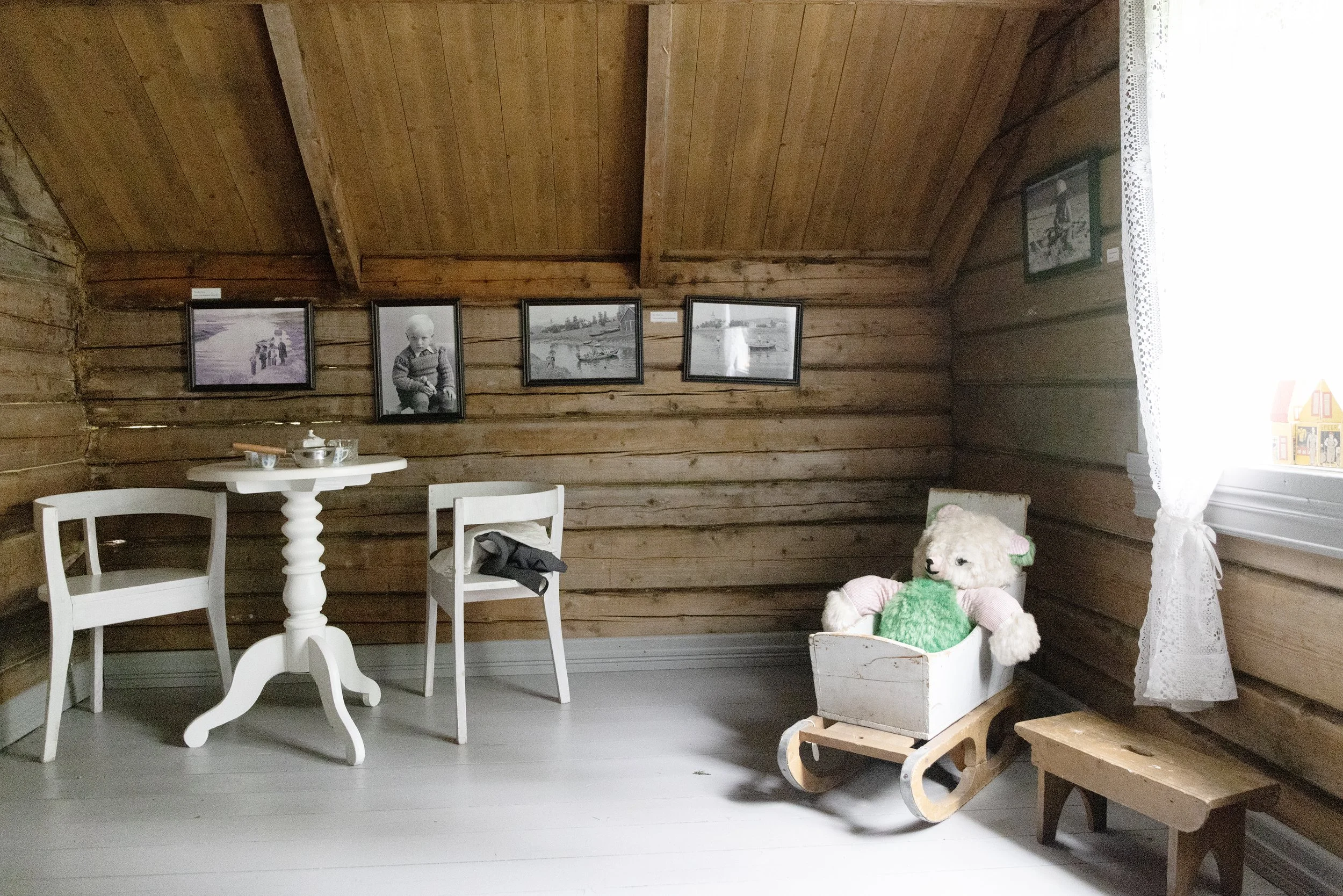
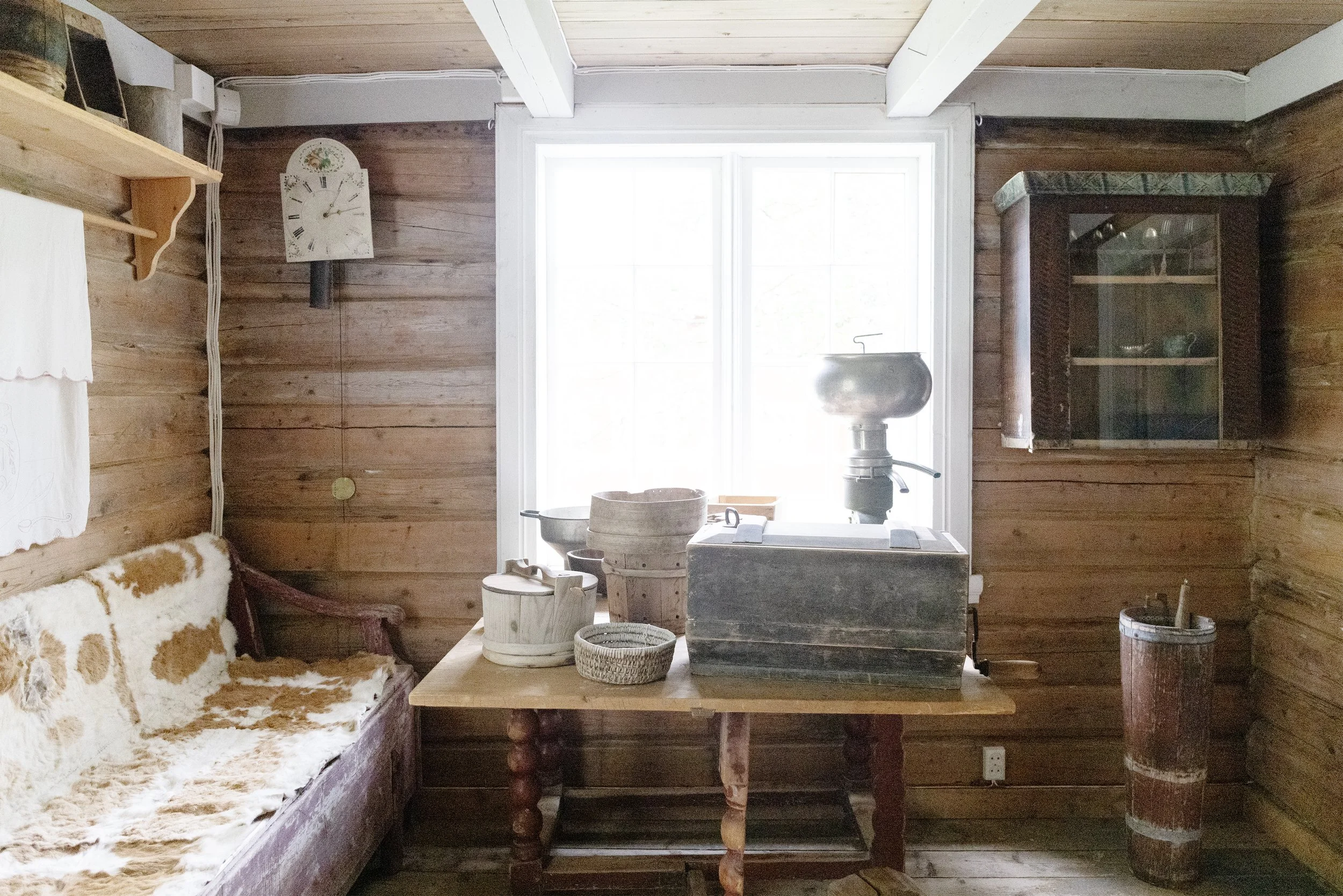
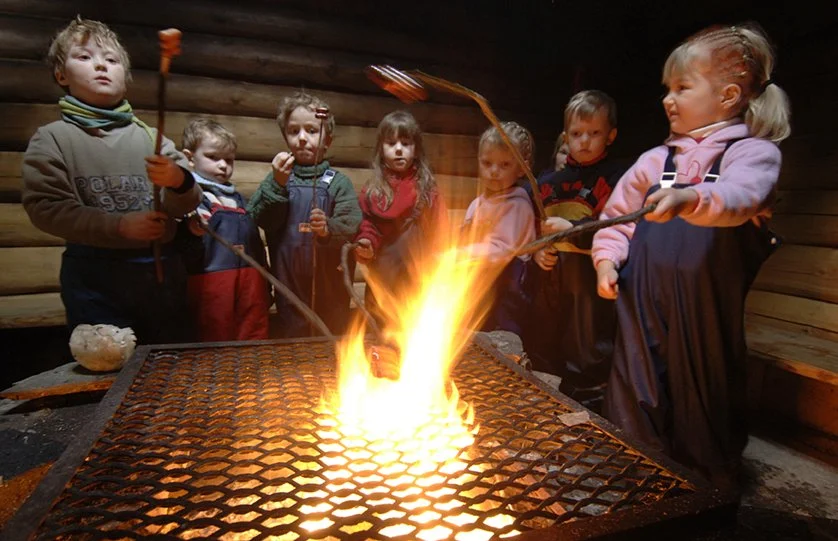
For children, the most fun is probably a trip into the cozy Grandma's House. The house is decorated as an eco-house to learn about life on Fauske about 100 years ago, without water, electricity or modern aids.
Here you can crank up a large polyphone, an old-fashioned record player, and hear the beautiful tones of the past. In the attic you will find a room full of old-fashioned toys to play with.
Booking
History of the museum
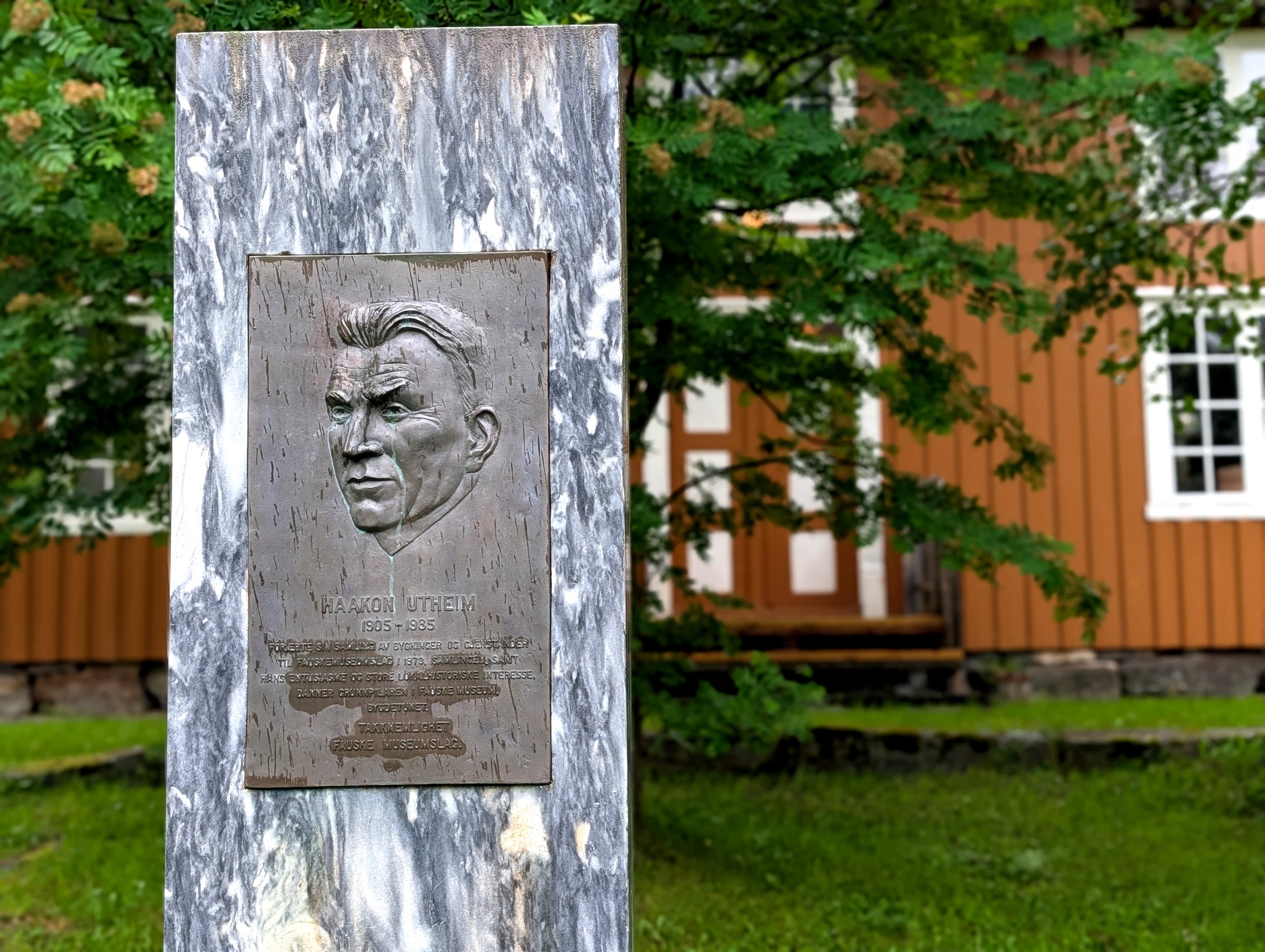
Fauske Folk Museum was established in 1973. The founder is considered to be the enthusiast Håkon Utheim (1905-1985). He did the largest fundraising effort for the rural garden.
On the basis of his commitment and great efforts in this work, he received the King's Medal of Merit in gold. On the occasion of the museum's 25th anniversary, a commemorative plaque was erected in 1997 with a bronze relief of Utheim made by the artist Knut Erik Nilsen. This is centrally located on the museum.
In 1973, Fauske museum association was founded. At that time, they had been working on the museum idea for over 10 years. Their first task was to obtain land for the museum. When it was in place in 1976, Utheim's collections were formally transferred to the Folk Museum .
At the same time, meticulous work began on developing the area into what today constitutes a large facility with 15 buildings. From 1977 onwards, the Folk Museum operated as a semi-public institution, but in June 1995 it did not Fauske the museum team was able to continue operating the facility, and then asked Fauske municipality to take over. It must be said that a lot of work, many hours and many kroner have been put into this facility by volunteer enthusiasts. In 2004, the operation of the facility was transferred to the Salten Museum (currently Nordlandsmuseet ).