
From Sami homestead to cultural monument — Kjelvik turns 40
Little did Lars Larsen know when he came over the mountains from Sweden that his new home in Norway would become a cultural monument and museum. Little did he know that the small living room would one day be visited by thousands of people – from schoolchildren to the Crown Prince and Princess themselves.
Written by Ida Beate Otterlei
From Jokkmokk to Kjelvik
Lars was a Sami and probably had another Sami name that we do not know today. The sources say little about him. We know that he came from Jokkmokk in Sweden, was born around 1797 and that he was Sami. Most likely he came from a family that was engaged in reindeer herding. In ancient times, the reindeer herding Sami migrated back and forth across the border between Norway and Sweden with their reindeer. Winter grazing in Sweden, summer grazing in Norway. In the 18th and 19th centuries, there was strong population growth in the Lule Sami areas on the Swedish side of the national border. This led to strong grazing pressure and large losses of reindeer. Many former reindeer herding Sami therefore settled on the Norwegian side. Here they changed their way of life from nomads to settled householders. The most important source of income became seasonal fishing, and many acquired a homestead where they could grow food for their family.
Kjelvika was originally a reindeer grazing area. Perhaps Lars knew the place from before. Together with his wife Olena Baggesdatter, he got a homestead in Kjelvik around 1824. Legend has it that they first got a place down by the fjord, but after they had cleared the land, the landowner threw them out and they had to move further up. It is also said that this happened again, and that Crofter's Farm today is the third place they cleared. Maybe this is what we see traces of on the old log patio house. Here we see that all the logs are marked with orientation and order. This may indicate that the house has been moved.
Life in Kjelvika demanded everything from those who lived here.
Life in Kjelvika was hard. Olena died early, only 33 years old. Lars remarried Elen Larsdatter, but also survived her. As an older man, he married the much younger Anne Andersdatter. In 1861 they had twins, Berit and Lars, who both died of measles, only two months old, a few days apart. In 1863 Anne became pregnant again, but both she and the child died in childbirth.
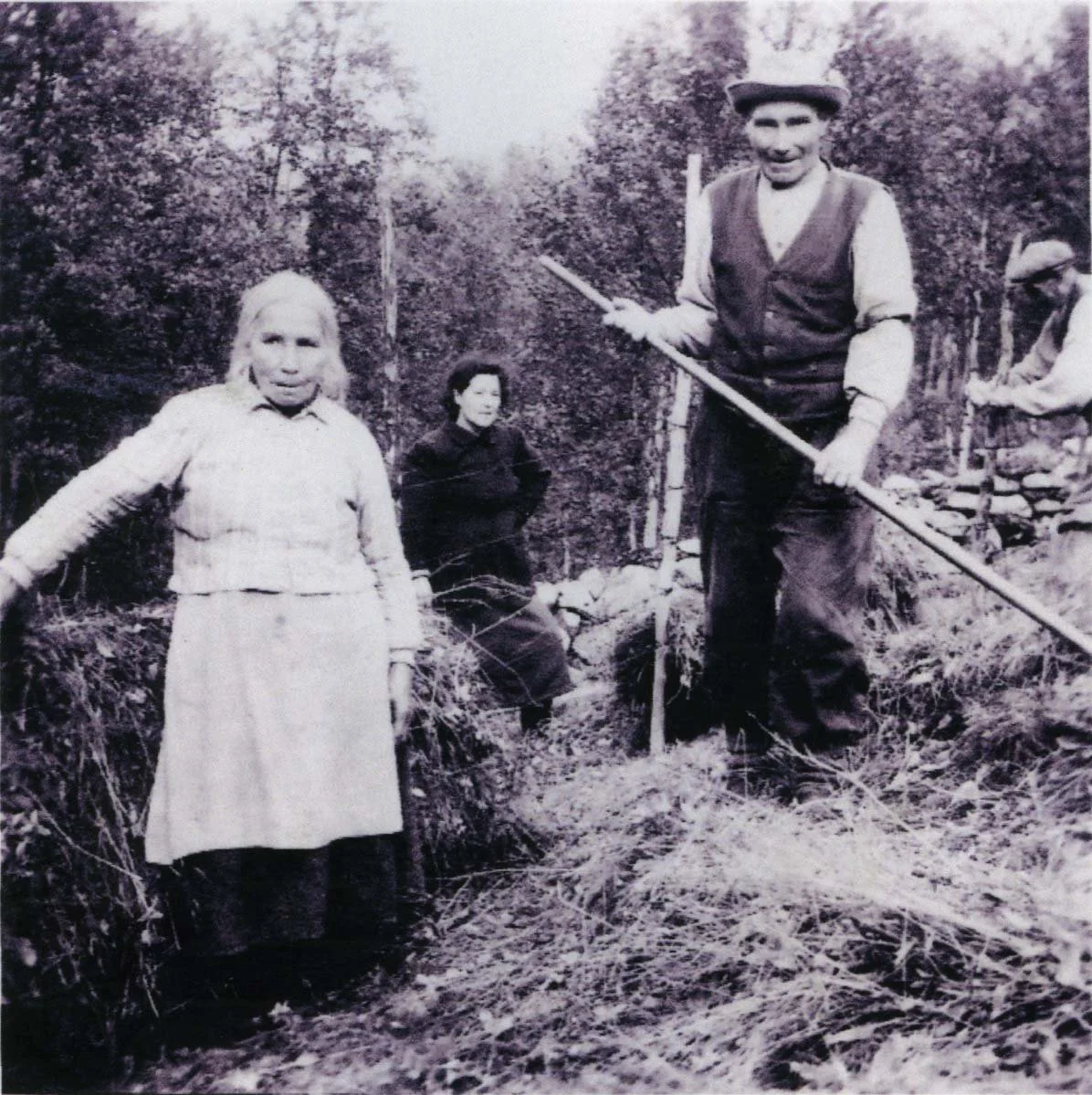
Karen, foster daughter Helene, Hans and Edvard, photo unknown
Lars and Olena's eldest son Lars took over Crofter's Farm , and his children were the last residents here. Of his five surviving children, only one, Lise, married and moved away. Crofter's Farm . The other four, Edvard, Karen, Hans and Anna, neither married nor had descendants. They lived here until they eventually grew old and died. The last resident was Hans Kjelvik. He lived here alone for seven years after the other siblings had passed away. In 1967, at the age of 87, he went fishing on the fjord. On his way up to Crofter's Farm He sat down on a stone pillar and died.
Crofter's Farm was saved at the last minute.
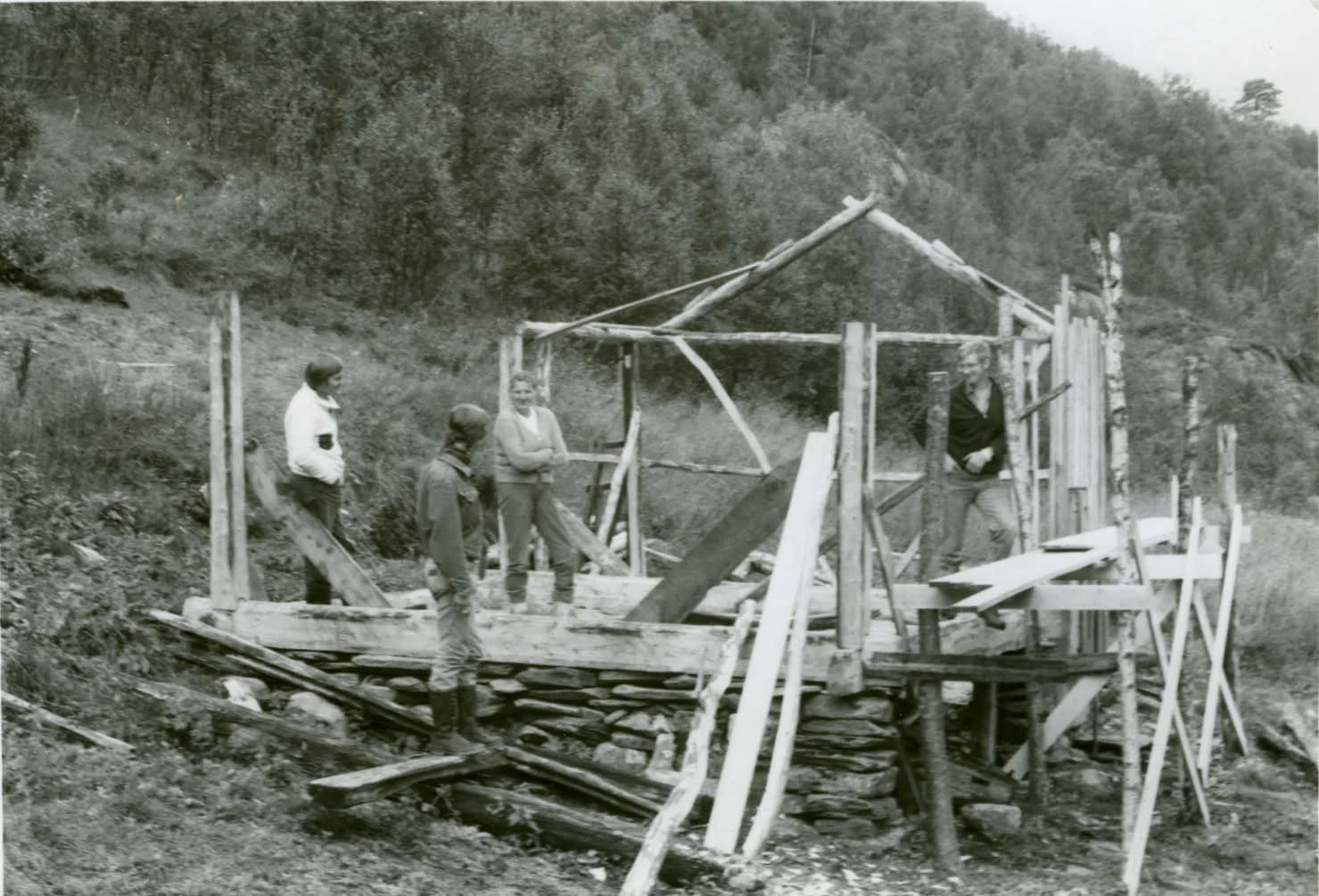
Restoration of the Hanseatic League, photo: Marie Zakarriasen
When Hans died, the houses reverted to the landowner. The farmhouse was used as a holiday home. Sørfold municipality decided in 1969 to try to have Kjelvik listed. When inspected in 1973 by the then county conservator Thorsvik, it was not possible to afford to take care of the farm. The location was remote, and it would be expensive and difficult to get anything done. It was only when the new E6 around Leirfjorden became relevant, and the Kobbelv development got underway, that a restoration became realistic. It was county conservator Edvard Olav Forselv who took the initiative for the restoration, and Sørfold The local history group, led by Marie (Maja) Zakariassen, was responsible for the work.
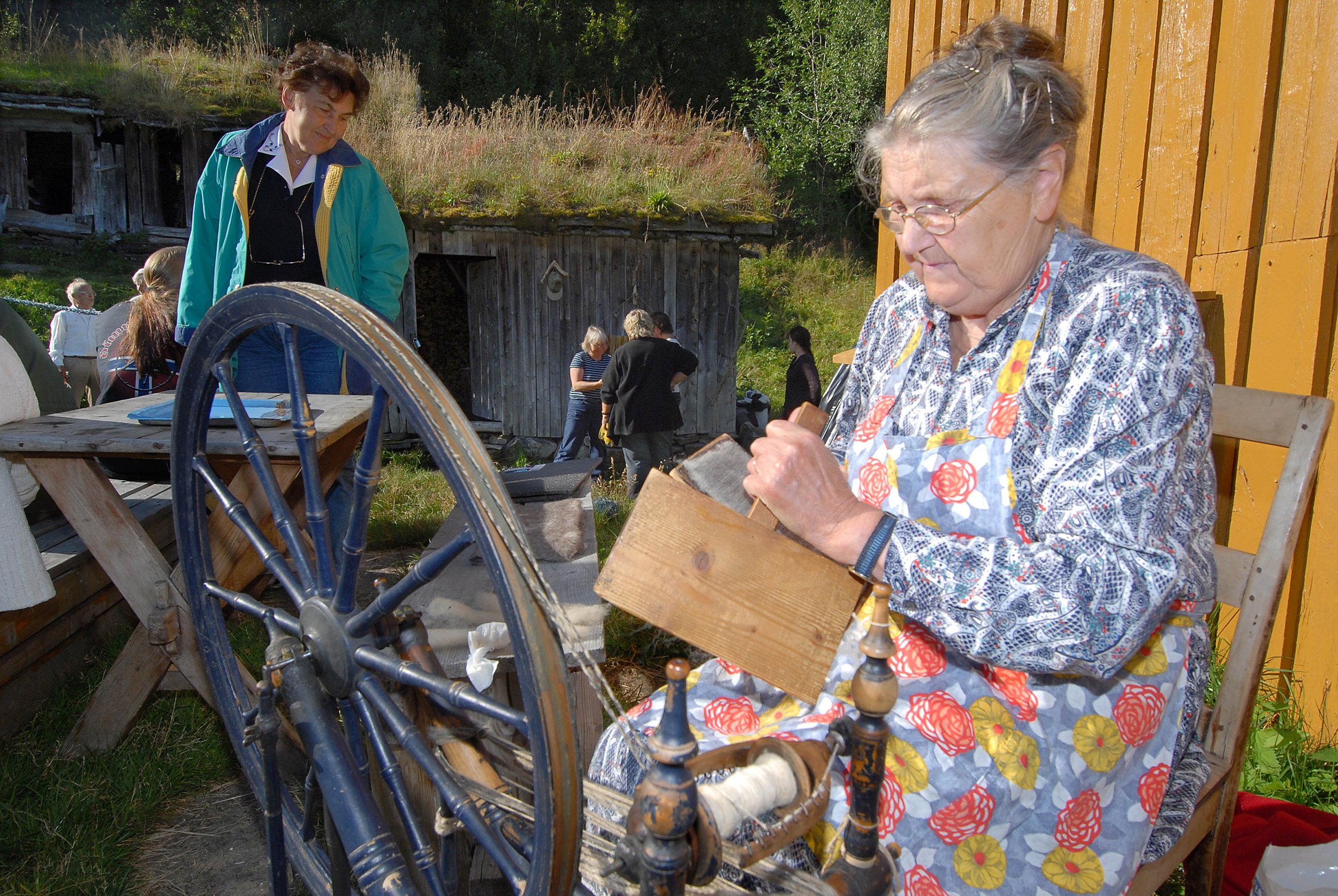
Pictured: Marie Zakariassen, photo: Ernst Furuhatt
In the early 1980s, several of the buildings were in serious disrepair. In the local history society's archives, we get a glimpse of the enormous work that was put in ahead of the opening. Funds were sought and granted. Eventually, they also got so-called "right-handed people" to work on the restoration, labor that was supported by employment funds. The local history society's leader Marie (Maja) Zakariassen was the driving force behind the work, and a true enthusiast in the work that was done, both before and after the opening of Kjelvik as a museum.
The opening in 1986
Once again the idyllic journey Crofter's Farm itself, and on the same day that the new E6 opened, 10. July 1986, also opened Crofter's Farm Kjelvik himself for the audience. The opening was marked with a big party. Folk musician Sigbjørn Bernhoft Osa entertained all those present.
A lot has happened in the years from 1986 to today. The local history society ran Kjelvik in the early years. In the early 1990s, Sørfold municipality the summer operation of Kjelvik. Nordlandsmuseet (then Salten Museum), took over the operation and responsibility for the buildings in 2004 after the museum consolidation.
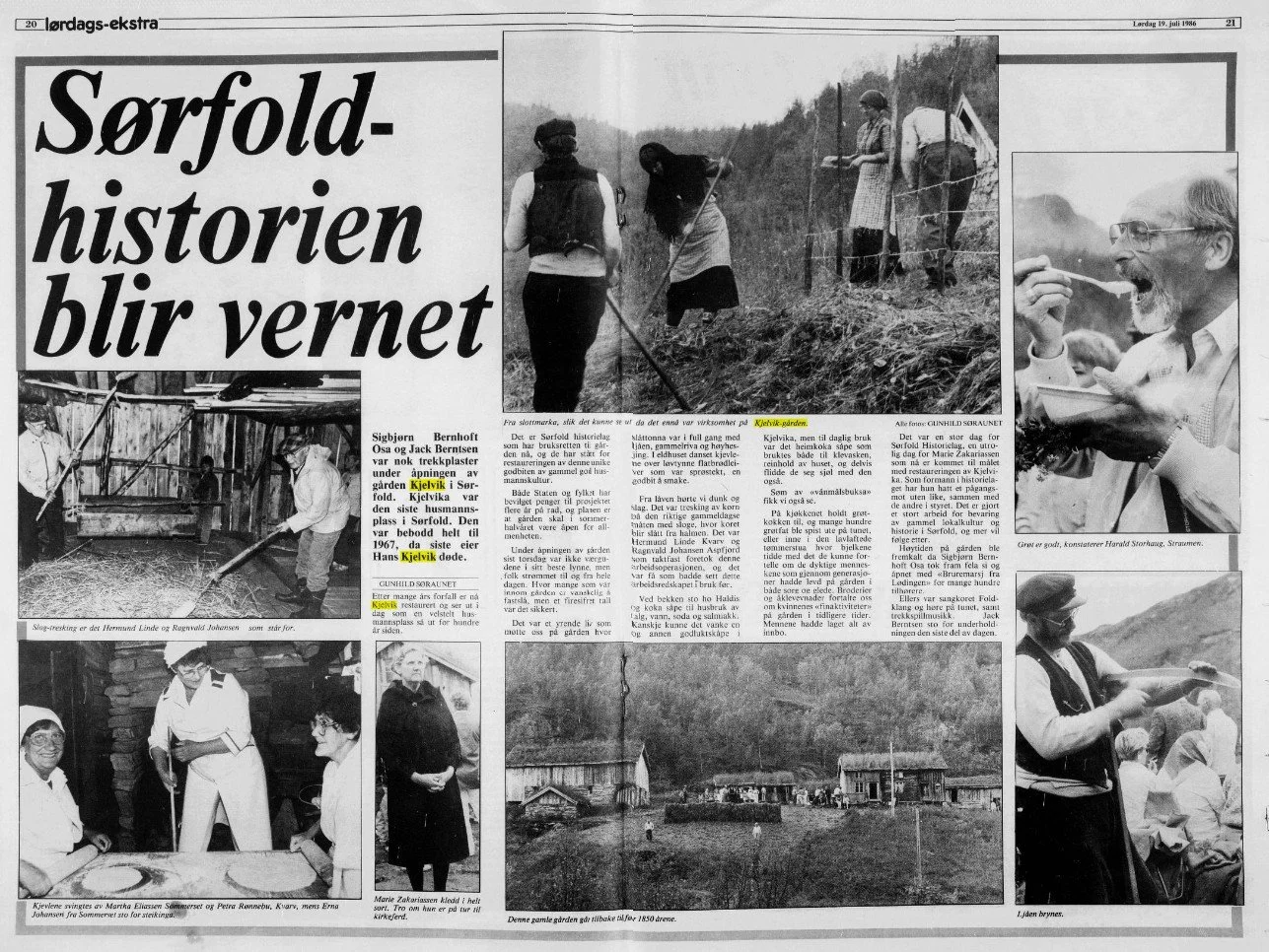
Facsimile Nordland's future 19. July 1986.
Crofter's Farm Kjelvik today
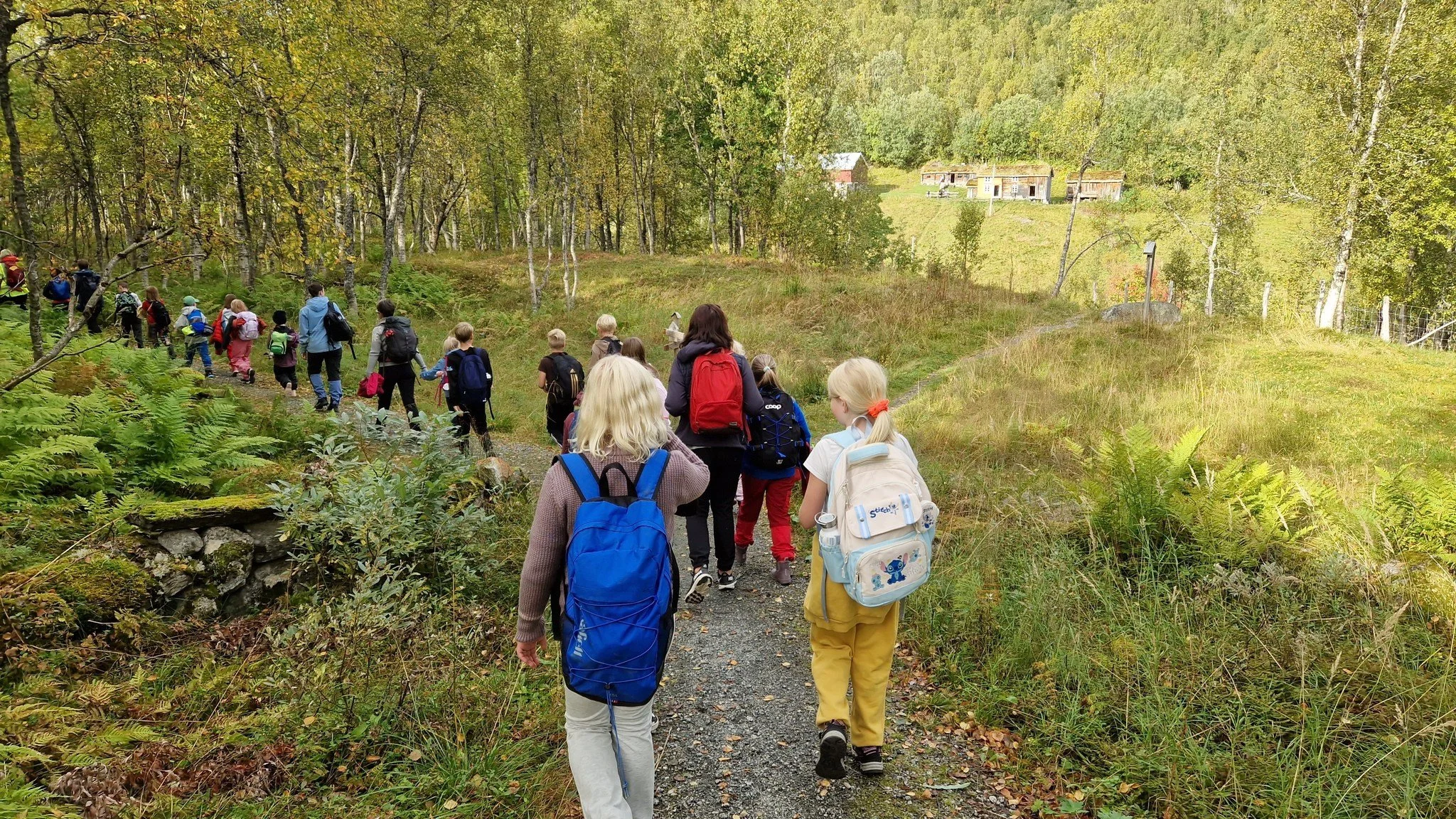
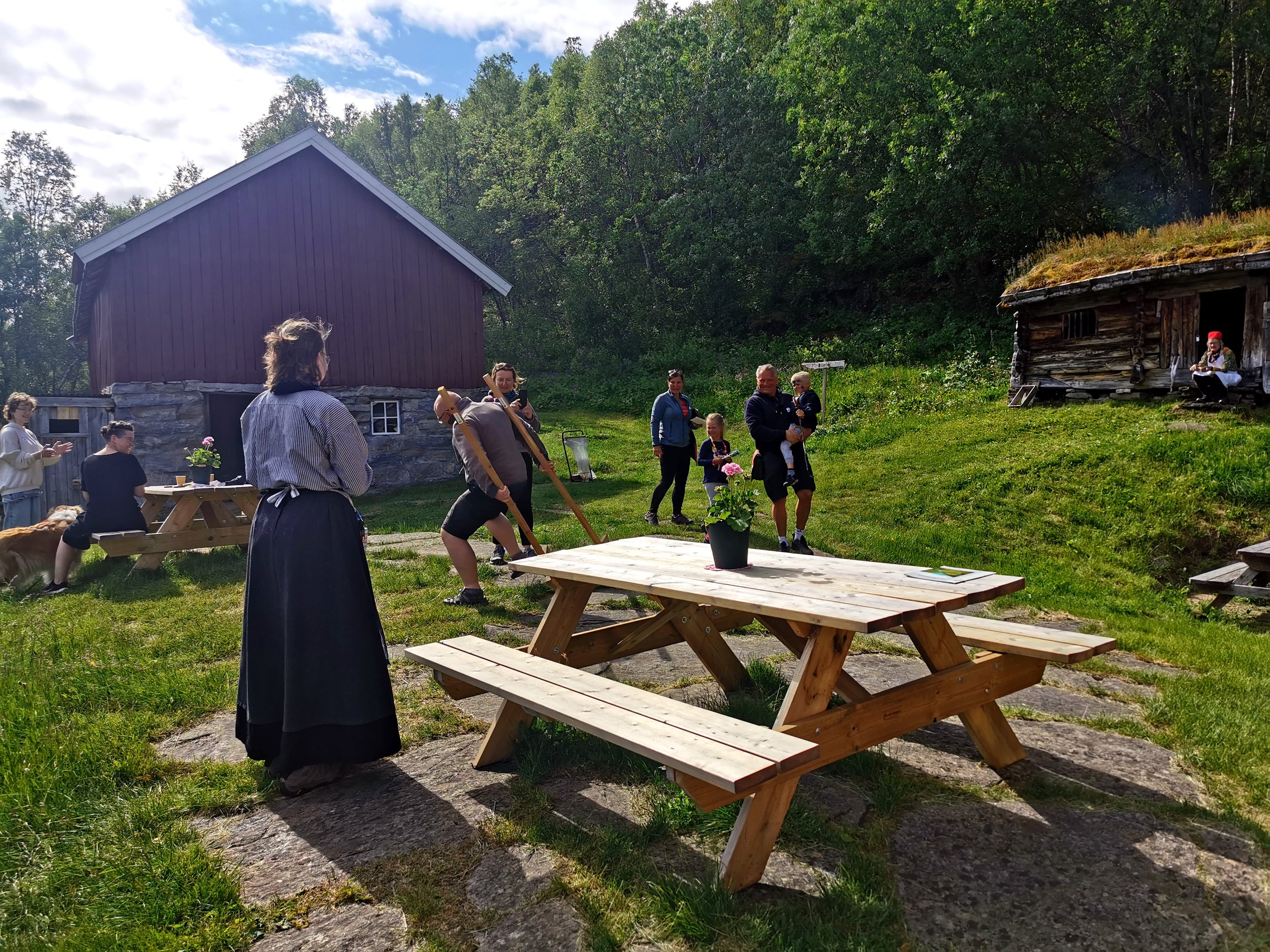
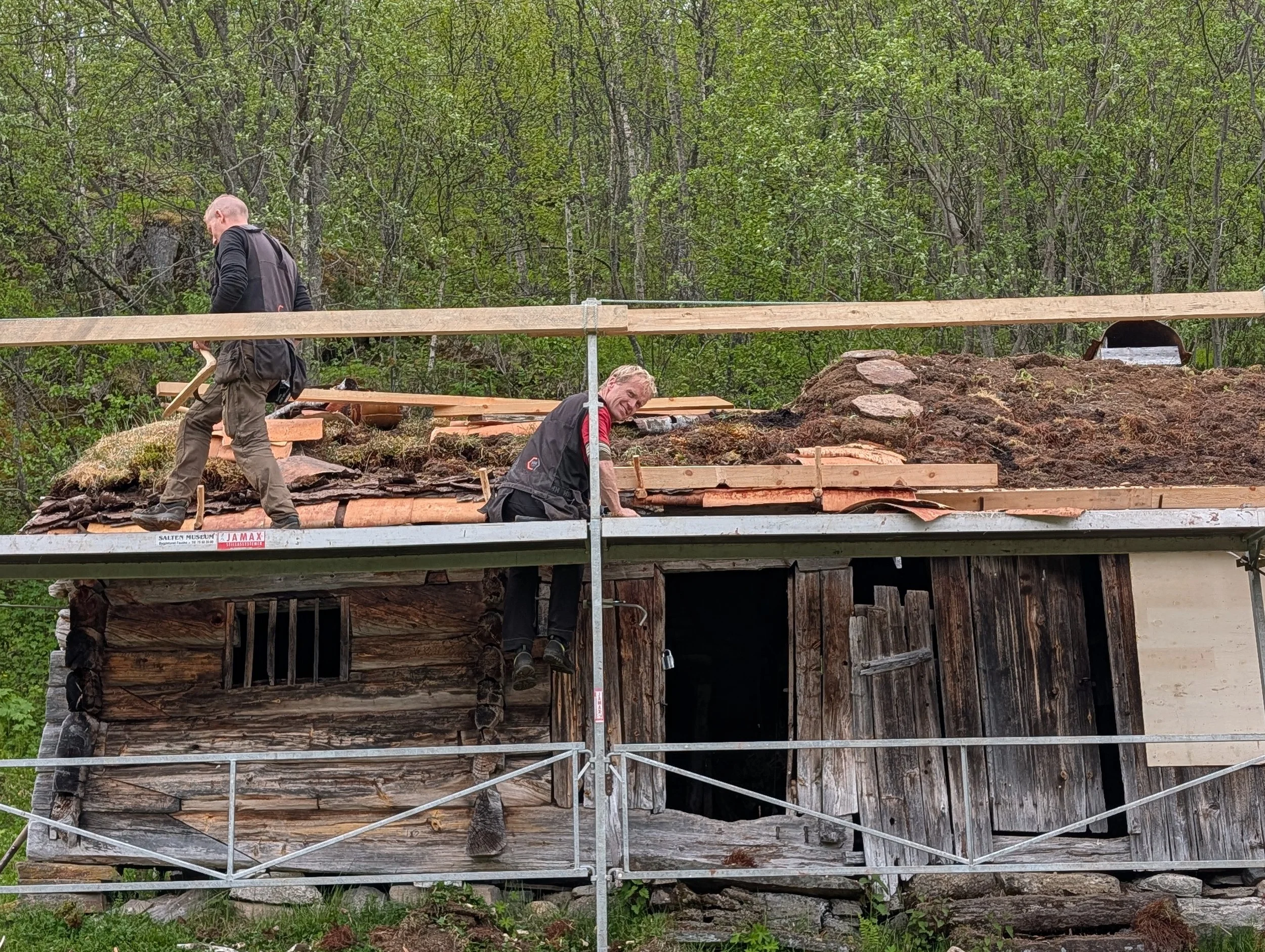
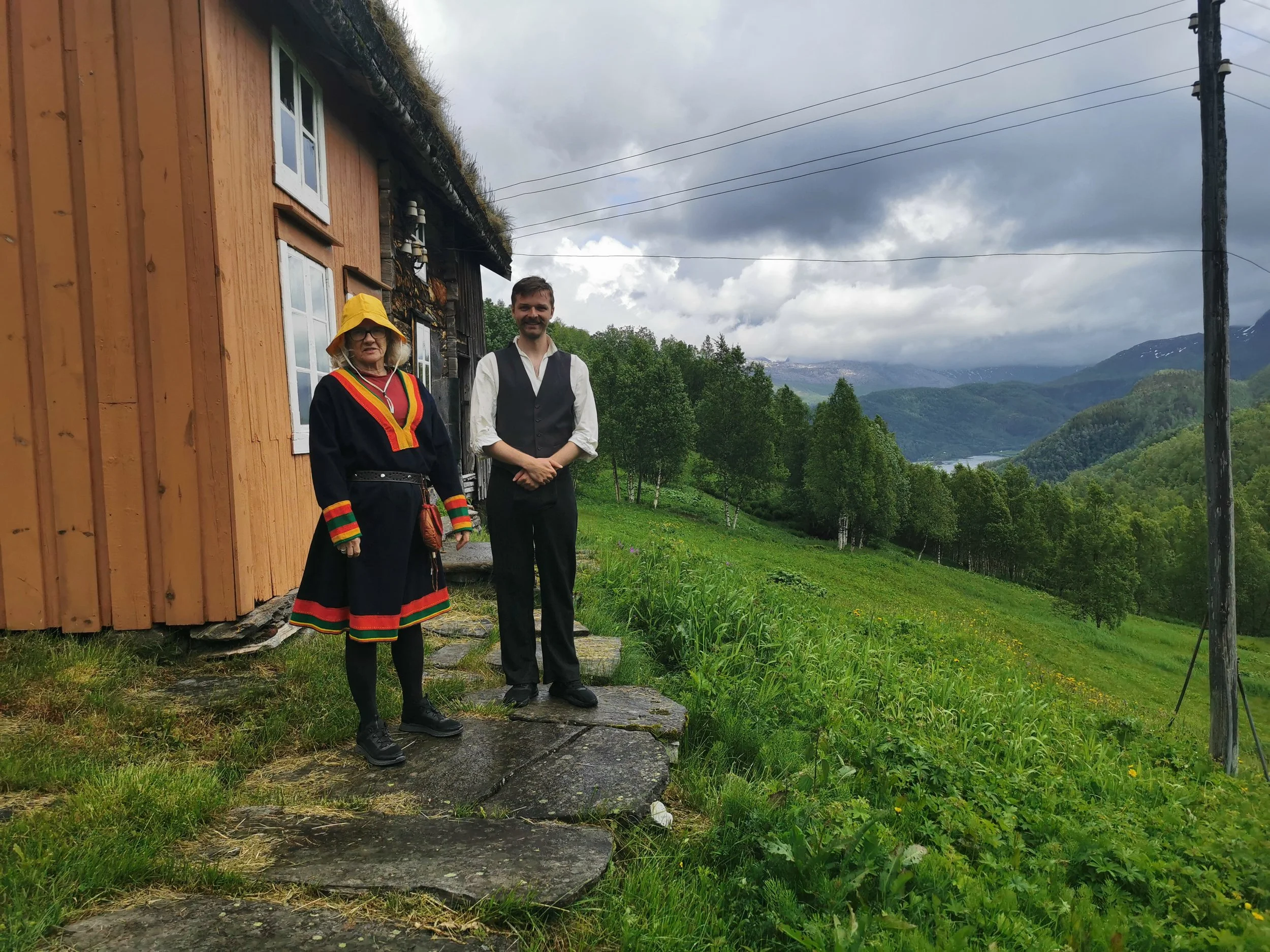
Crofter's Farm Kjelvik is today a protected Sami cultural monument. In addition, Crofter's Farm has been granted the status of Selected Cultural Landscape in Agriculture and is part of Footsteps to the North. We in Nordlandsmuseet is constantly working on maintaining the old houses. This year we have begun work on restoring the turf roofs on some of the houses. In addition, we have reinforced the floor of the barn so that we can welcome a larger audience here. Every summer we are open to the public, and we also have events and school visits to the site.
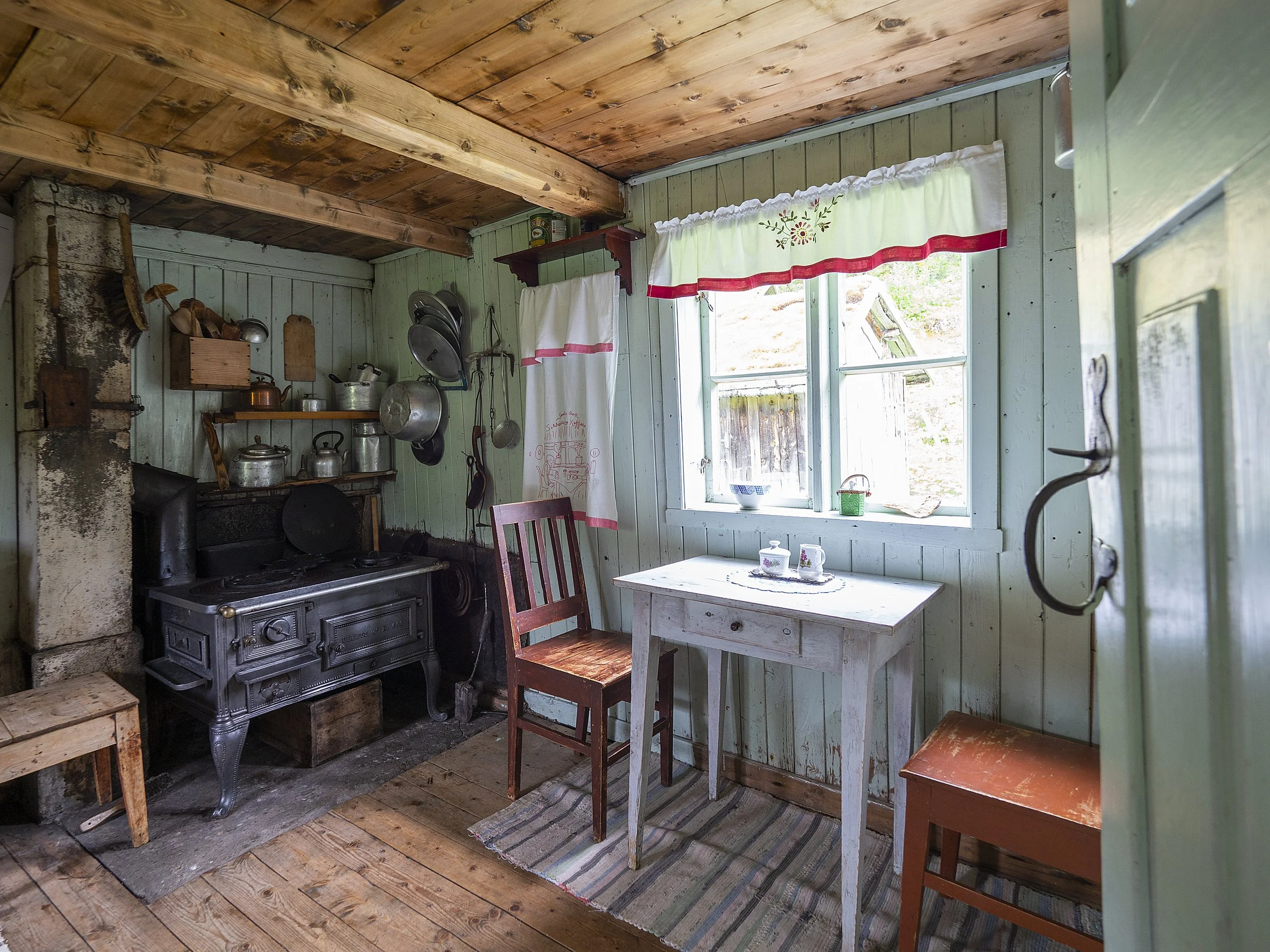
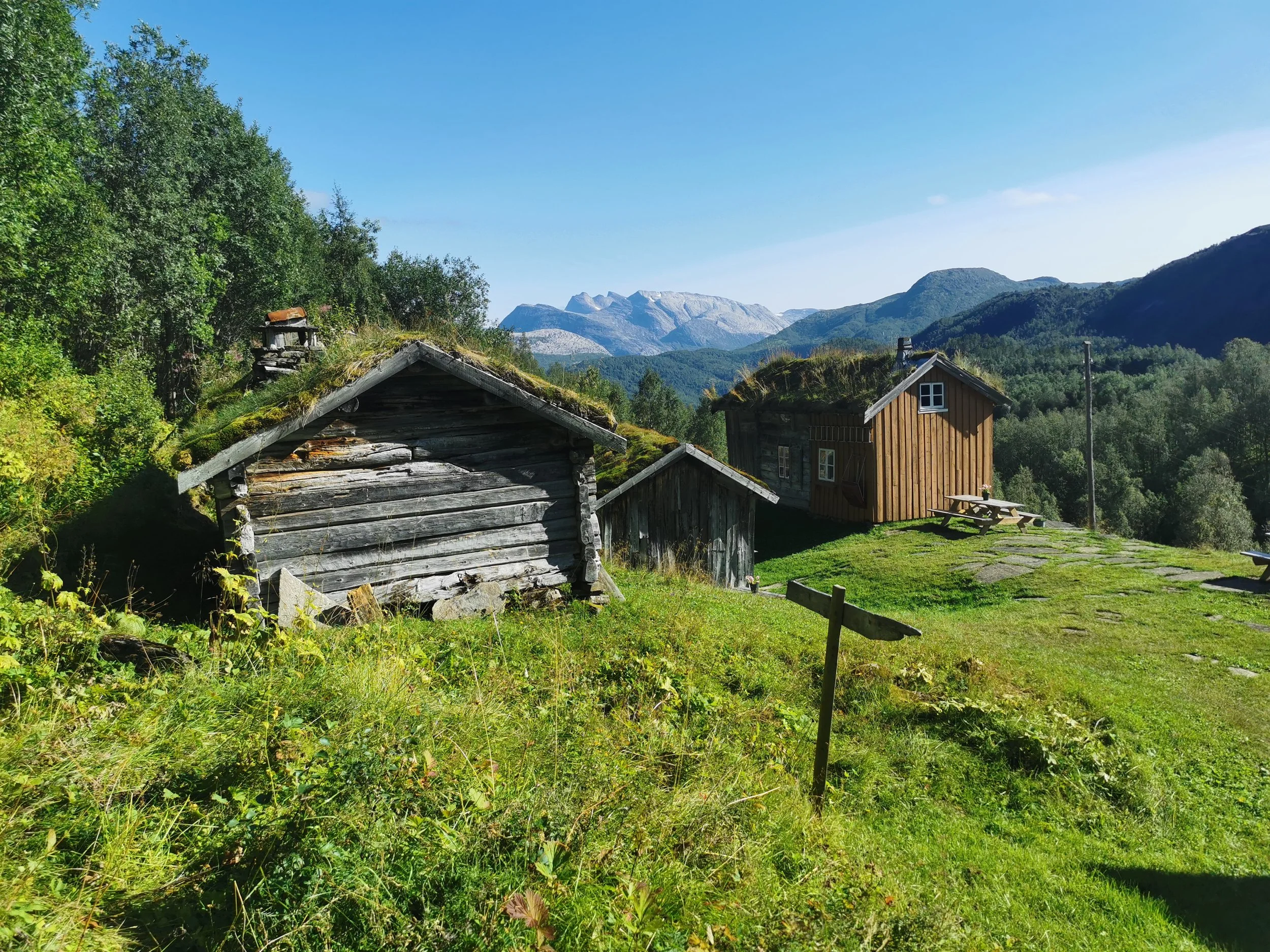
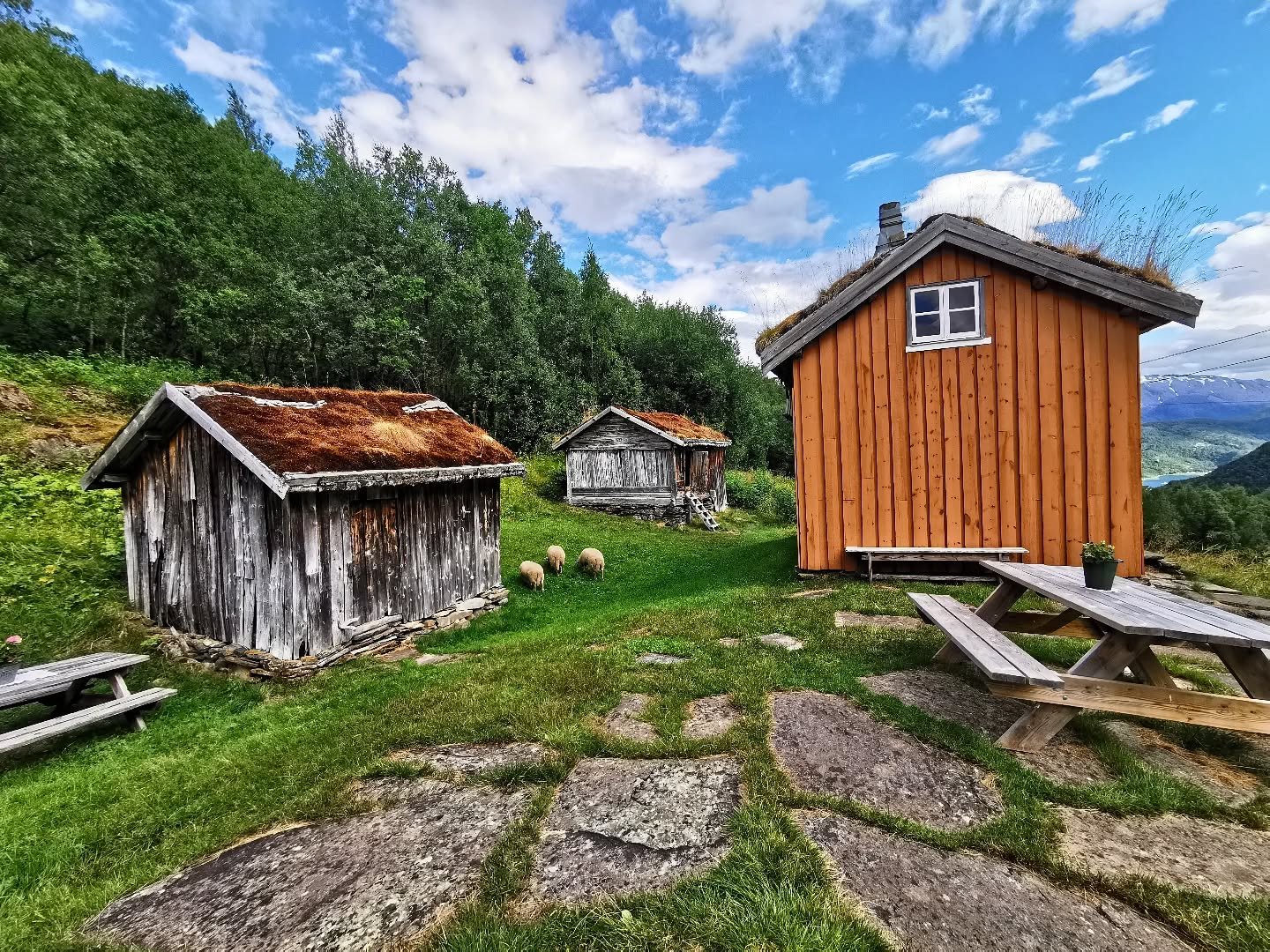
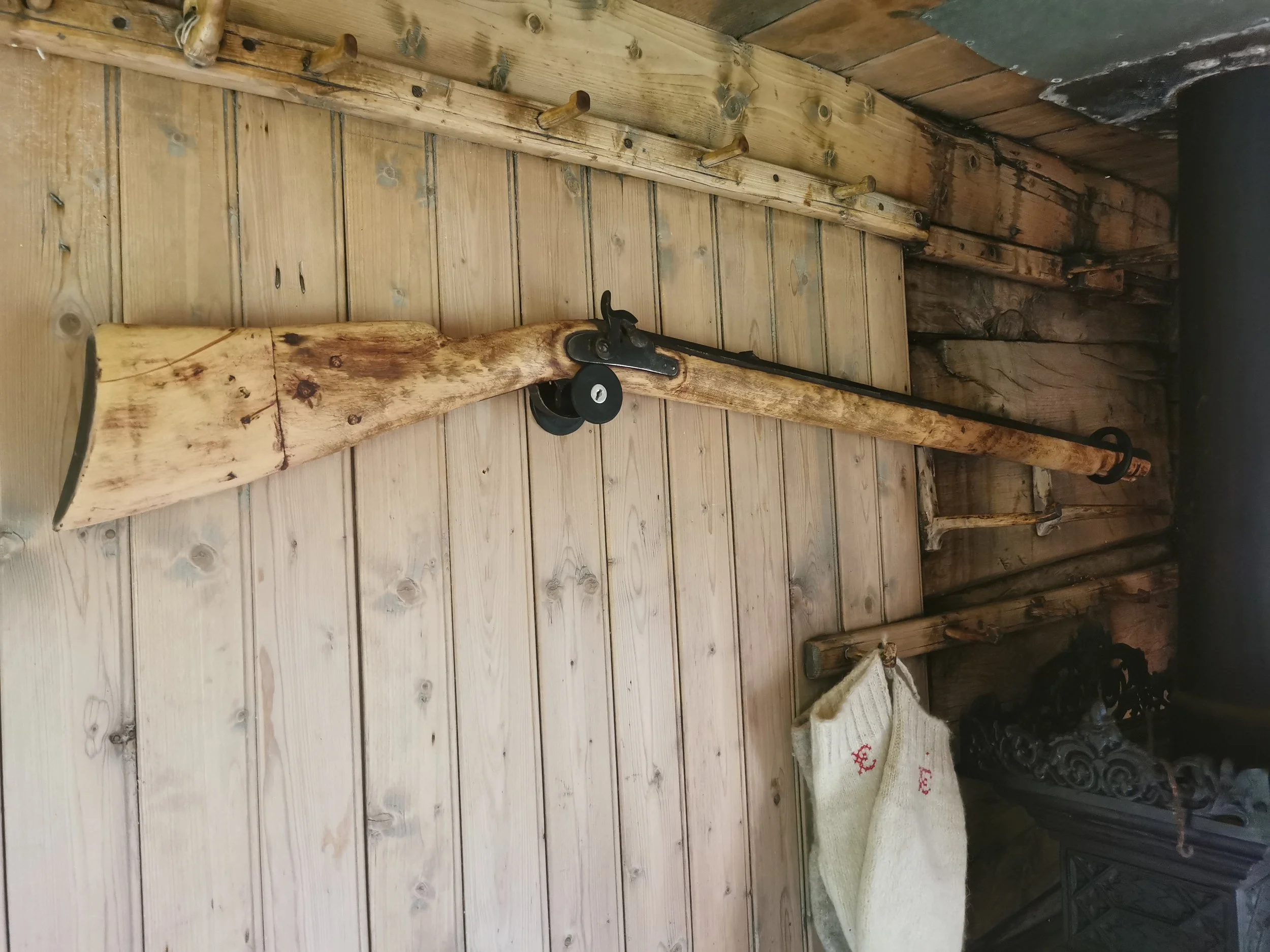
Over 200 years after Lars and Olena settled here, the old houses still stand. Crofter's Farm consists of a residential house, a skeltersjå, a forge and stove house, an outbuilding, a woodshed and a potato cellar. Visitors are shown around all the buildings where we have preserved everything that remains of the Larsen family. In the living room of the farmhouse, Lars' bear bag still hangs, with which he once shot three bears. The beds are made up with sheepskin coats and sheepskin coats and the hymnal is on the bookshelf.
Welcome to the anniversary celebration
For 40 years, Kjelvik Museum has kept the story of Lars, Olena and the family alive. On Sunday, June 21, we invite you to an anniversary celebration – and hope that both old and new visitors will join us in marking the place that so many have put work and care into preserving.
Finally, we will quote Sørfold The local history group's booklet that they published for the opening in 1986: "We hope everyone who visits the place will be able to sense a little of the spirit that prevailed here, characterized by frugality and diligence, and where hospitality was a matter of course."
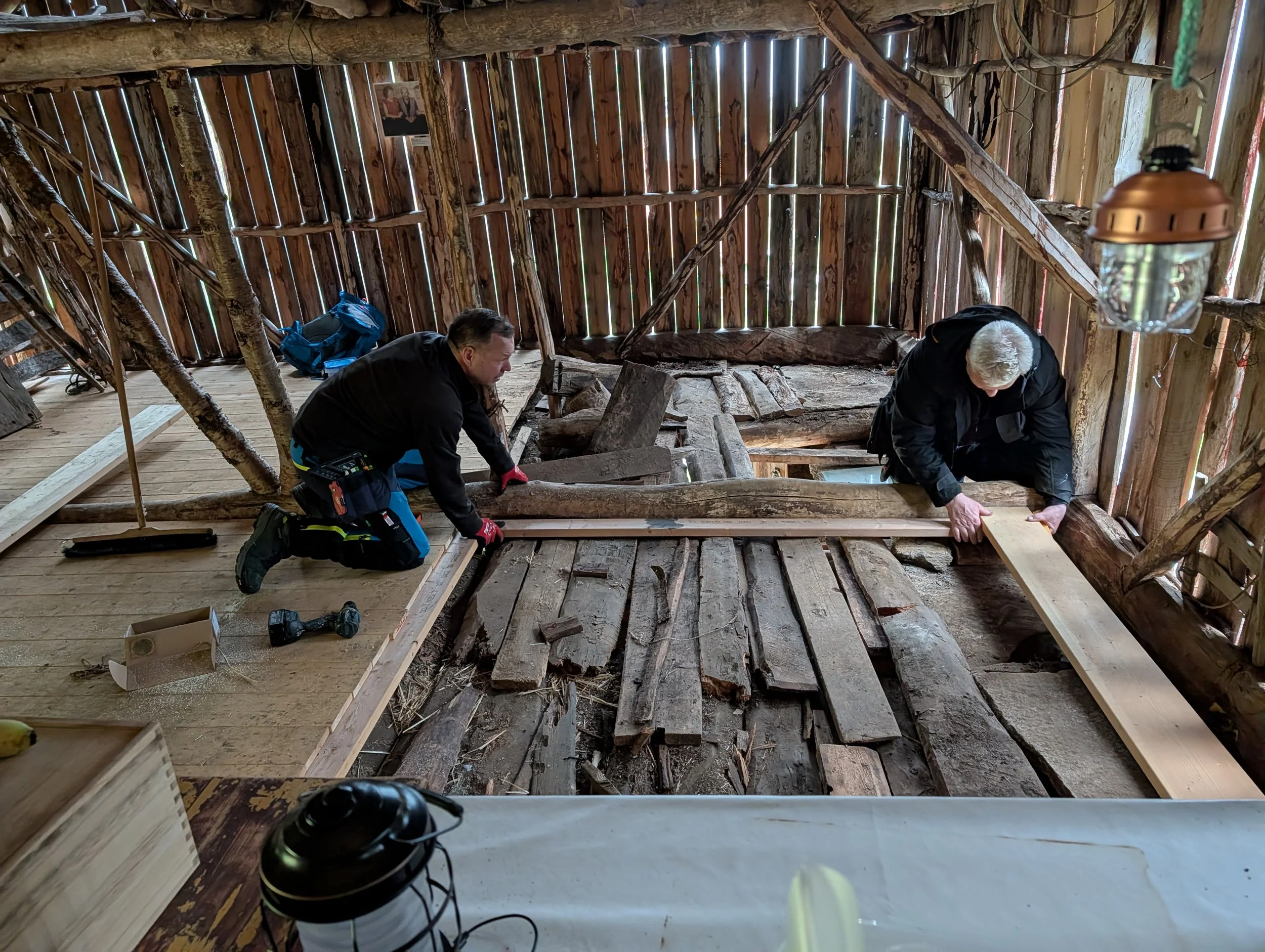
Photos above: Ida Beate Otterlei, Ernst Furuhatt and Bente Grovassbakk
