
For those of you who want to experience...
Are you going on holiday in Salten this summer? Here is inspiration for what you can experience at Nordlandsmuseet's 20 facilities, grouped by themes and experiences.
Click on the topic that interests you most to jump directly there:
For those interested in coastal culture and trade
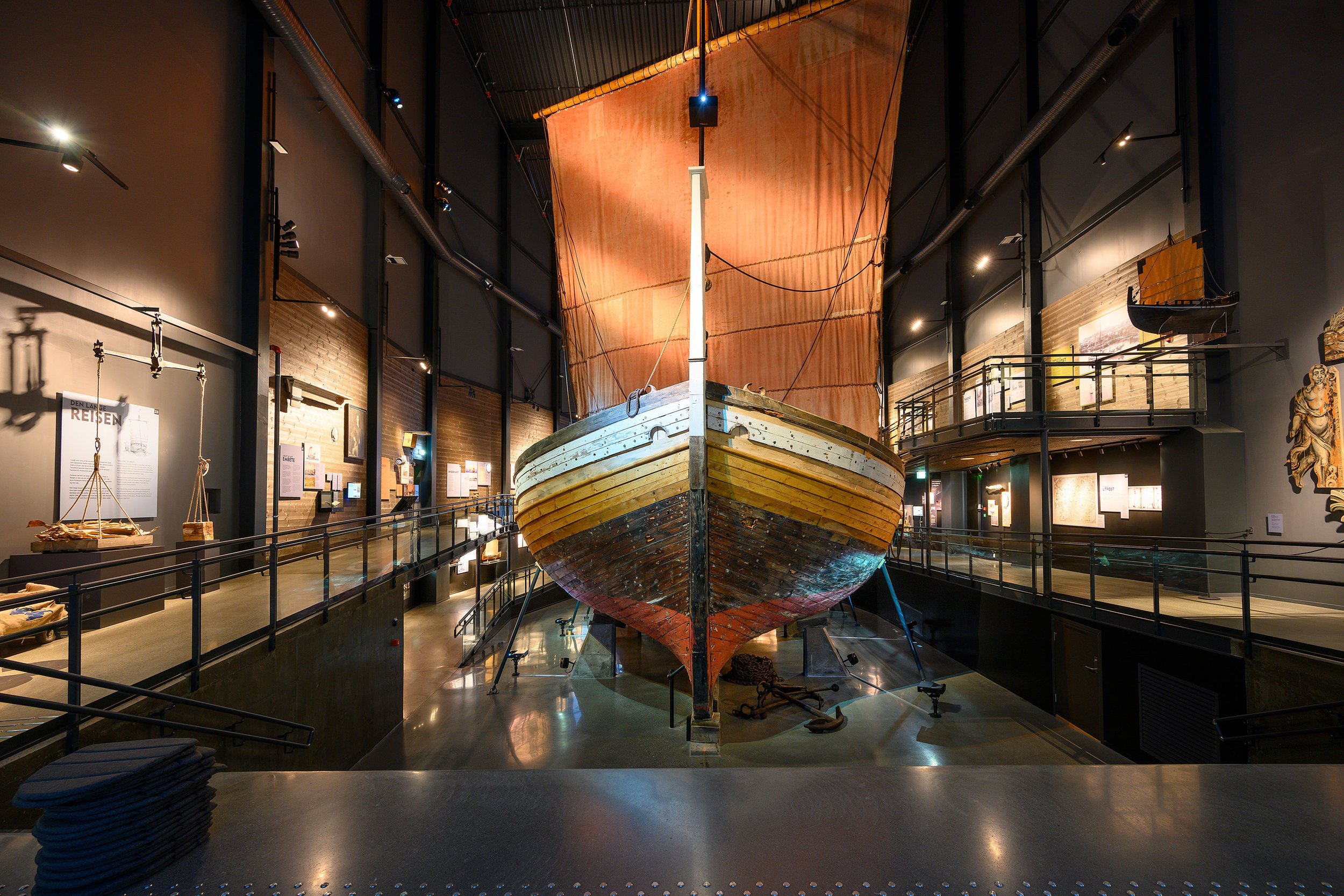
The coastal trade that connected Northern Norway to the rest of Europe for centuries is the theme of several of our facilities. At The Jekt Trade Museum in Bodø you will meet Anna Karoline, the world's only preserved original Nordlandjekt. Kjerringøy trading post is one of Norway's best preserved trading posts from the 19th century, with 15 listed buildings at Kjerringøysundet. Ørnes trading post in Meløy is one of the old coastal trading posts that once lay along the Norwegian coast. Løp farm on the road to Kjerringøy provides an insight into the life of the coastal upper class in the 19th century, and Hamarøy Folk Museum Breidablikk is a historical trading post from 1845 where you can freely wander around the yard all year round.
Did you know that...
Anna Karoline is the world's only surviving original Nordland ship. The ship was built in 1876 in Nord-Trøndelag and is 60 feet long and 21 feet wide. It has two layers of decking — you can see the original clinker skin from the inside. The name is made up of the initials of the three owners: Arnt gave Anna, Kristian gave Kar and Ole gave Oline.
Photo: Ernst Furuhatt
Did you know that...
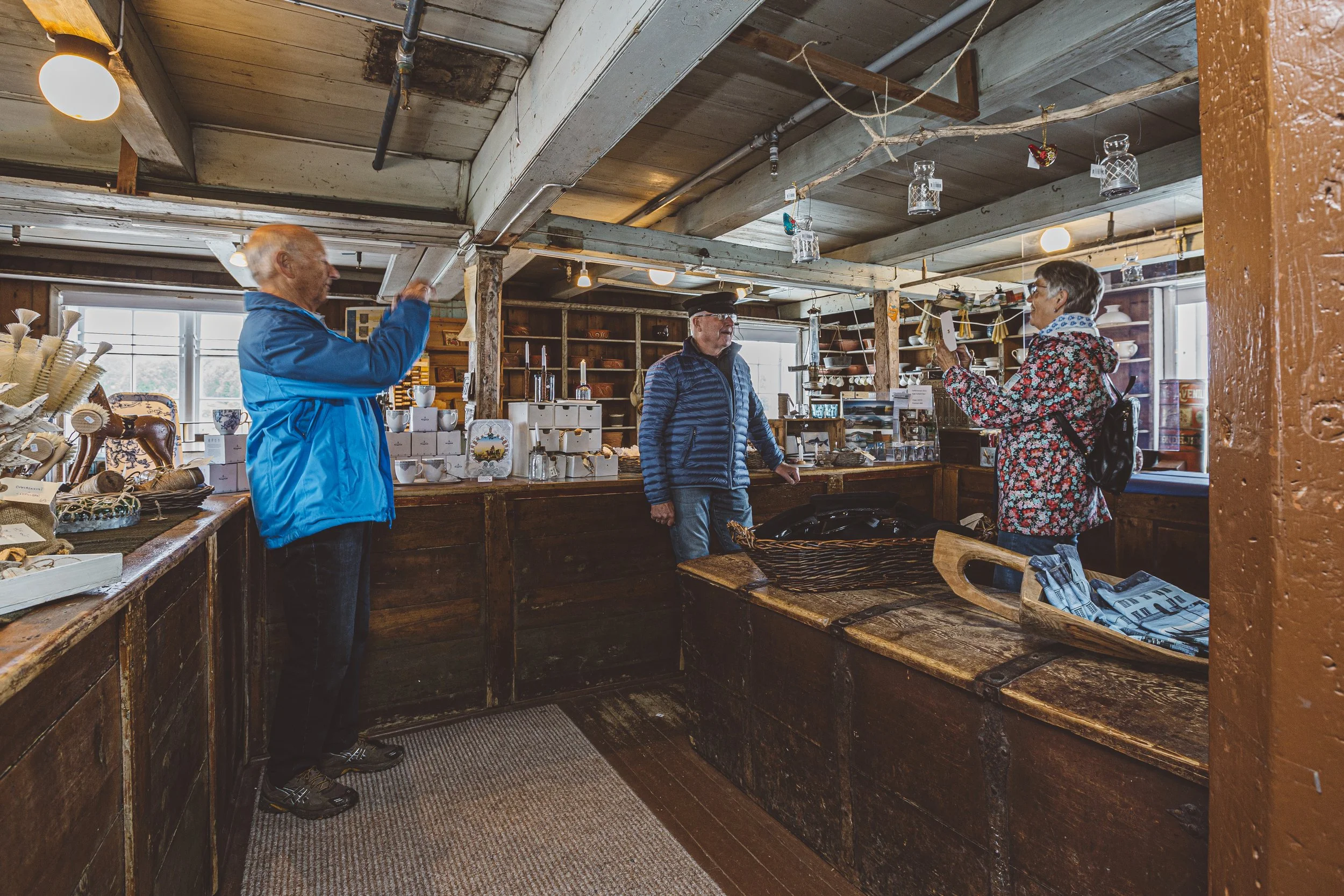
The Kramboden on Kjerringøy was more than just a shop. Here, fishermen bought equipment for winter fishing on credit — with the promise of delivering fish to the merchant's ship in Lofoten as payment. Those who didn't have money had to stand in front of the merchant's office with their hats in their hands and ask for credit. On the shelves today are still the same goods that were left when the shop closed in 1956 — peas and salt, horseshoe laces and fish hooks.
Photo: Karoline OA Pettersen
For those who want to experience war history
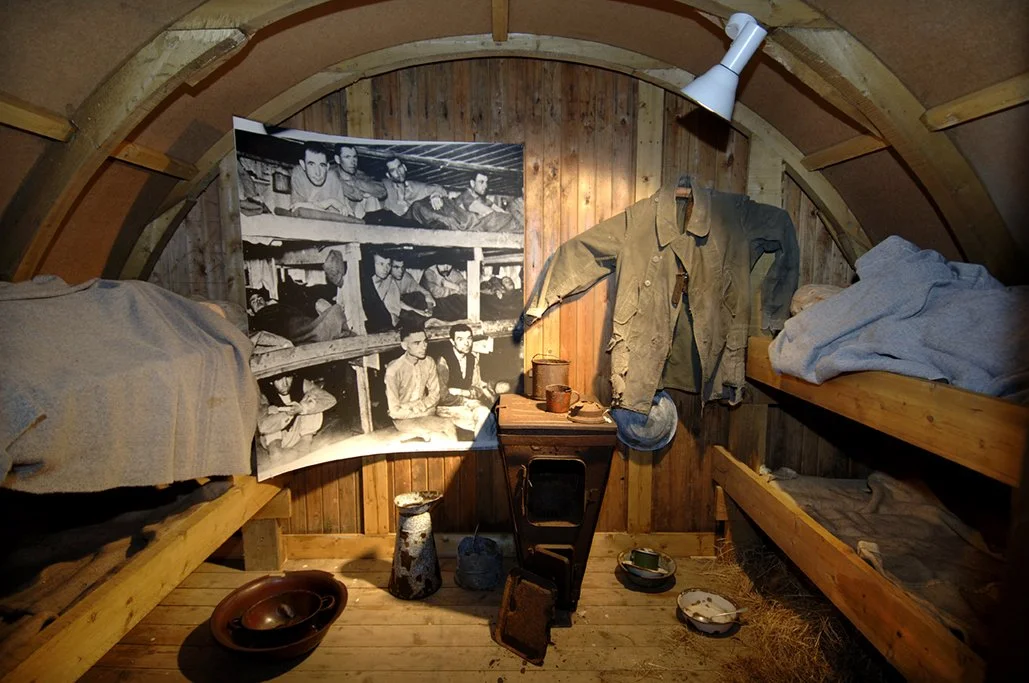
The Blood Road Museum in Rognan tells the story of the tens of thousands of Eastern European prisoners of war who were sent to Nordland to build roads and railways during World War II. Nordland had more prisoners of war than any other Norwegian county. Batterie Dietl at Engeløya in Steigen is one of Europe's largest coastal fortifications from the war, with original installations and inscriptions still visible inside the bunker.
Did you know that...
The 25th. July In 1942, the first 463 Yugoslav partisans and resistance fighters arrived in Saltdal to build a nine-kilometer stretch of road between Langset and Saltnes. During 1942 and 1943, 344 of them were killed — shot, hanged, beaten or exhausted to death. The road soon became known as the Blood Road. A cross painted in blood on a rock wall along the road is a reminder of the suffering to this day. When Milos Banjac was shot on 14. July In 1943, his brother drew a cross on the rock face with the blood of the deceased. The cross has been painted over regularly since.
Photo: Nordlandsmuseet

Did you know that...
Batterie Dietl was built by the German occupation forces between 1942 and 1945 to control shipping traffic through the Vestfjord. The three guns had a range of up to 56 km and could fire all the way to Lofoten. The construction project was enormous — at its peak, over 1,400 Soviet prisoners of war were crammed into a cramped camp on the site. More than 500 of them died of hunger, exhaustion, disease and violence. Today, one of the bunkers is a museum, opened for the fiftieth anniversary of the liberation on May 8, 1995.
Photo: Ernst Furuhatt
For those of you who are fascinated by Knut Hamsun
The Hamsun Center at Hamarøy is Norway's national center for the life and literature of Knut Hamsun, with exhibitions and art installations in Steven Holl's award-winning tower building. Just a short distance away is the farm in Hamsund where Hamsun grew up from the age of three.
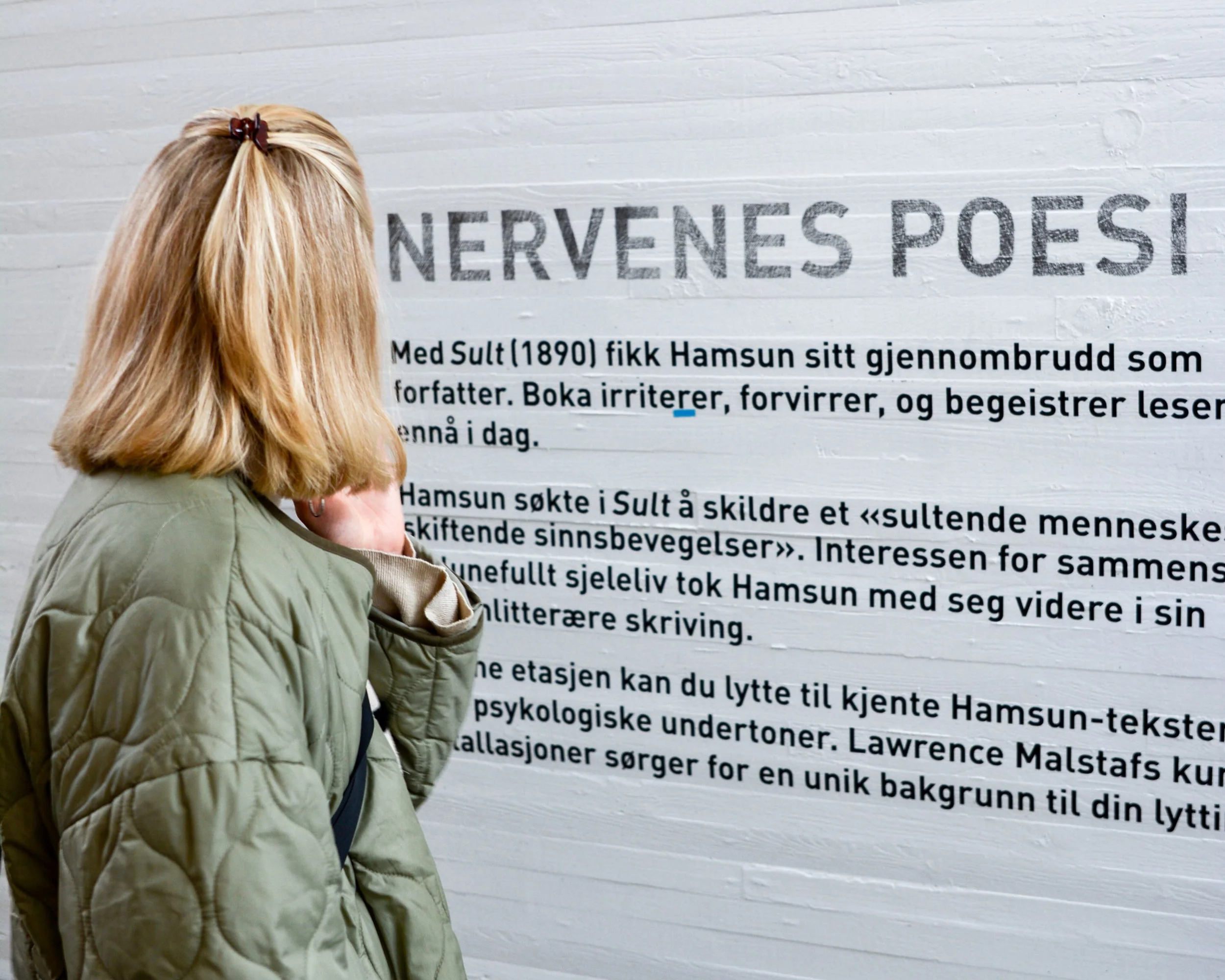
Did you know that...
Family is one of the central themes in Hamsun's writing. He depicts families in all their forms — the well-functioning, the unhappy, the separated and the dissolved. At the same time, it is striking that many of his main characters are either orphans or lack an origin story. Hamsun himself grew up in difficult circumstances in Hamarøy , far from his family in Gudbrandsdalen where he was born.
Photo: Karoline OA Pettersen
For those who want to experience industrial history
In Sulitjelma, you can take the original mining locomotive 1.6 kilometers into the mountain at the Sulitjelma Visitor Mine and learn about the daily lives of miners from the early 1900s. The Sulitjelma Mining Museum is located in the city's first industrial area, with a copper smelter from 1899 and a power plant from 1893. At the Bodø City Museum, you can explore Bodø's industrial heritage through the exhibition Made in Bodø , which deals with the city's labor and business history throughout the 20th century.
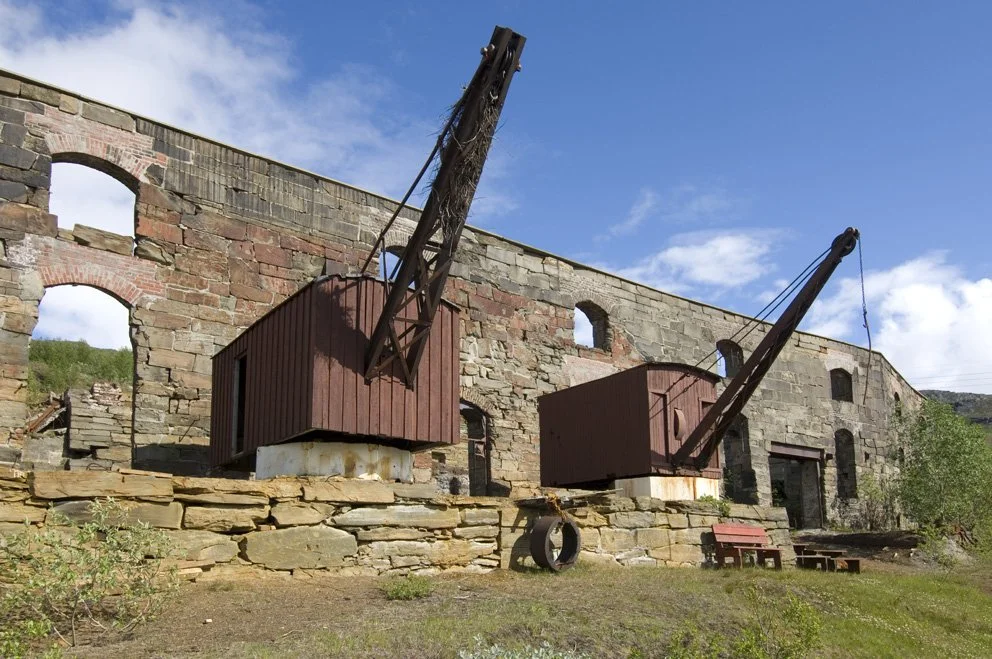
Did you know that...
In 1906, Sulitjelma Gruber wanted to introduce a control system where all miners had to wear a teardrop-shaped pendant to show who was inside the mines at any given time. When the workers showed up for their shifts, they refused to wear the badges. For them, this was the last straw — they were not slaves. On January 13, 1907, they gathered and formed a union. The small pendant, which was named the “Slavemerket,” can today be seen in the exhibition at the Sulitjelma Mining Museum.
Photo: Nordlandsmuseet
For those who want to experience Sami culture and history
Crofter's Farm Kjelvik in Sørfold is a Sami homestead just off the E6, where museum hosts tell the story of the people who lived here. The Bodø City Museum has a gallery outside the building and displays Sami art on the second floor.

Did you know that...
Lars Larsen came from Jokkmokk in Sweden and was most likely of reindeer herding Sami origin. He settled in Kjelvik around 1824, but according to legend, he and his wife Olena were evicted twice by the landowner after they cleared the land. Crofter's Farm What we see today is supposed to be the third place they cleared. On the old log house, all the logs are marked with orientation and order — a possible trace of the house having once been moved.
Photo: Nordlandsmuseet
For those who want to experience rural life and local history
Saltdal Folk Museum in Rognan lets you experience the atmosphere of the 19th century, with Skippergården as the central element and the history of the merchant family from 1751 to 1899. At Fauske Folk Museum , the clothes tell the story of Salten, with a unique collection of traditional garments from all levels of society. Beiarn Folk Museum in Moldjord is located in a rectory from 1857 with 12 historical buildings, and the collection is built around the Gustav Moldjord collection. Steigen Folk Museum in Engeløya is a historic doctor's farm from around 1900 with authentic rooms and a historic garden.
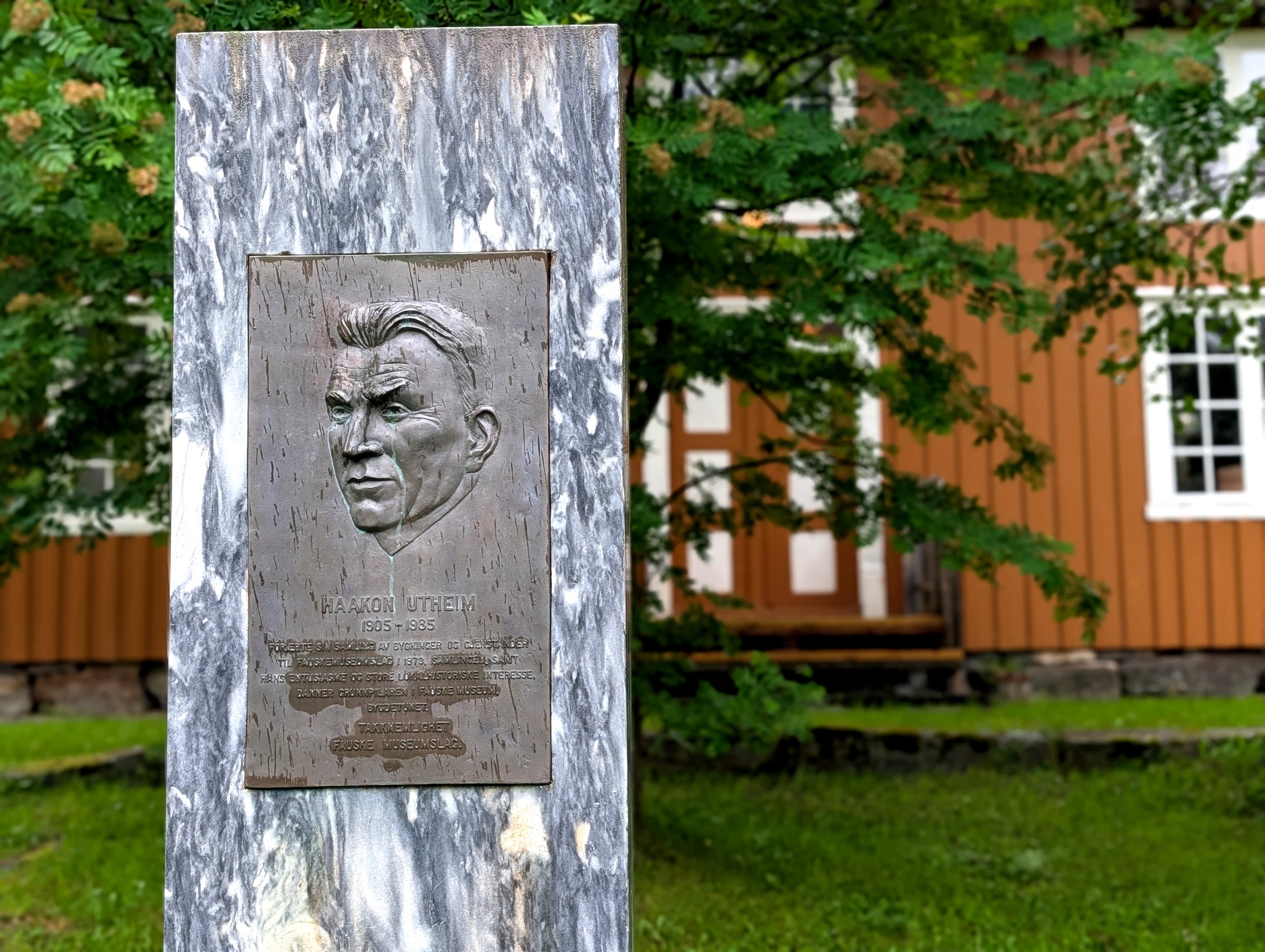
Did you know that...
Fauske Folk Museum was established in 1973, but work on the museum idea had already been going on for over ten years. Founder Håkon Utheim (1905–1985) did the most fundraising work and received the King's Gold Medal of Merit for his efforts. Today the complex consists of 15 buildings. In 1997, a memorial was erected with a bronze relief of Utheim, made by the artist Knut Erik Nilsen.
Photo: Nordlandsmuseet
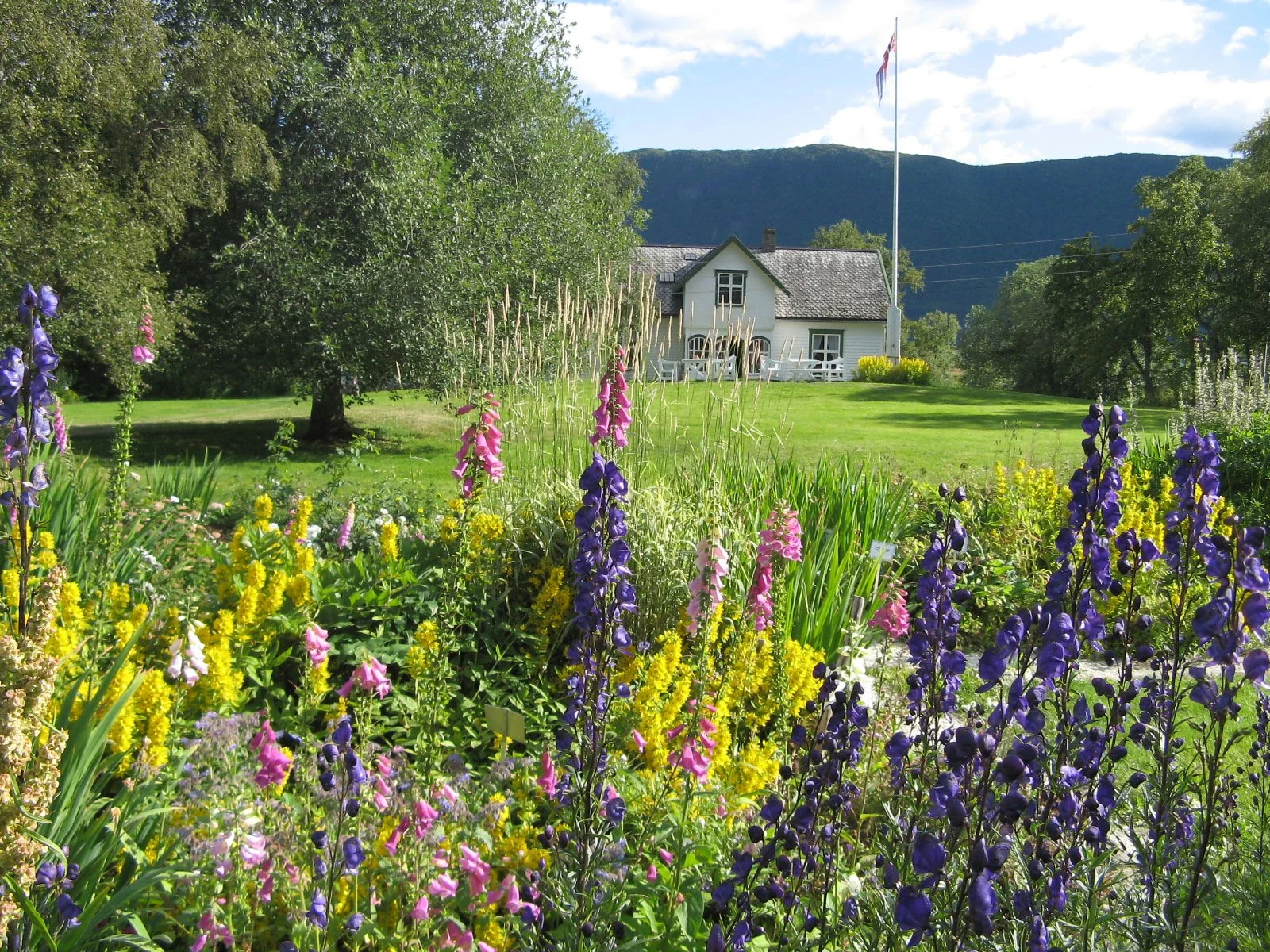
Did you know that...
Steigen Folk Museum is built around a doctor's residence from 1877, built for the district doctor in old Steigen and Hamarøy municipality . It was Steigen A group of peasant women who took the initiative for the museum 100 years later. The women went around the entire municipality to collect objects. The garden at the Folk Museum today contains an extensive collection of old perennials from Steigen vicarage garden and functions as a security garden for the Tromsø Arctic-Alpine Botanical Garden.
Photo: Nordlandsmuseet
For those who want to experience history in scenic surroundings
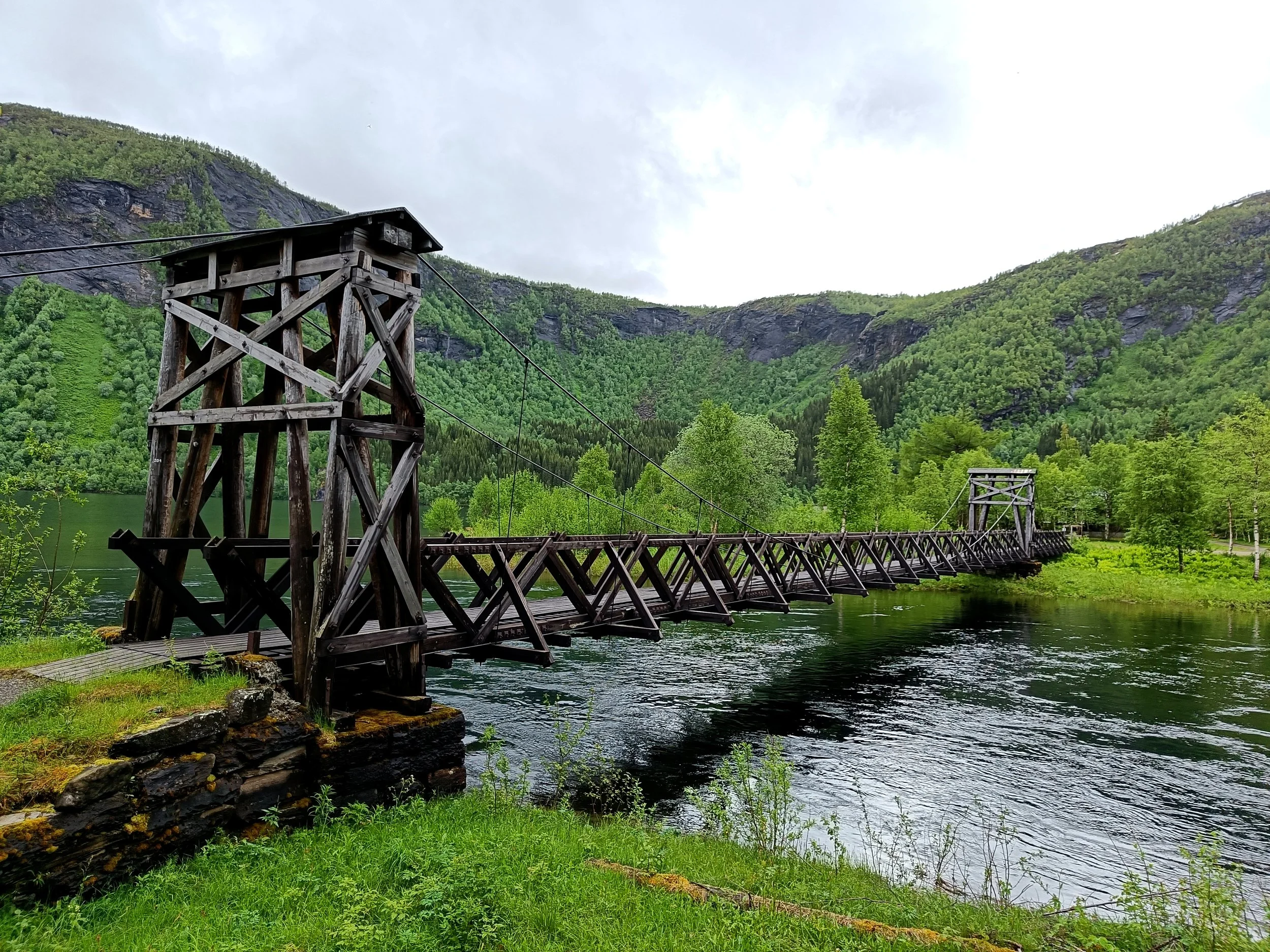
Some of our facilities are located in landscapes where nature and cultural heritage meet. Gildeskål church site in Inndyr houses a stone church from around 1130, surrounded by fjords and mountains an hour's drive from Bodø . Kjerringøy trading post is located at Kjerringøysundet, where 15 listed buildings are reflected in the sea. Batterie Dietl on Engeløya still guards the entrance to the Vestfjord, as it did during the war. The Jekt Trade Museum is located at Bodøsjøen open-air museum, where historic buildings are spread across a scenic open-air area. Crofter's Farm Kjelvik in Sørfold is reached via a short walk from the parking lot, through an open mountain landscape along a stream. Sjønstå farm in Fauske is a protected cluster garden from the 17th century in peaceful surroundings by Øvrevann.
Did you know that...
Sjønstå farm first appears in historical sources in 1665, when two farmers settled at the mouth of the Sjønstå River. As payment to the king, they delivered 9 kg of stockfish in a basket. The farm was Crown property until 1800, when it was sold and divided in two. In 1891, Sulitjelma Gruber bought both farms. The last resident of the farm, bachelor Andor Karolius Hansen, ran Øvergården until his death in 1973.
Photo: Nordlandsmuseet

Did you know that…
Gildeskål The medieval church from 1130 was converted into a sheep barn and hayloft for the rectory in the 19th century. Restoration work did not begin until 1936, and took over 25 years to complete. In 1962, the church was reconsecrated and put back into use. Today, the almost 900-year-old church is still in active use.
Photo: Ernst Furuhatt
For those who like café life
At several of our facilities you can combine a museum visit with a meal in historic surroundings. Vangen Skafferi at The Jekt Trade Museum in Bodø serves food in historic surroundings by Bodøsjøen Café Sult at the Hamsun Center serves food with a view. Hamarøy landscape. Løp gård serves afternoon tea in the historic garden during the summer season. Kjerringøy trading post has Kafé Fjøsen, known for local and locally sourced food. In addition, many of our other facilities have simple catering during the season — check the individual facility's page on nordlandsmuseet for more information.

Did you know that...
On Løp The farm is covered in layers of historic wallpaper still visible on the walls — a rare luxury in Norway in the 18th and 19th centuries that was a symbol of wealth and status. The last residents of the farm, sisters Hanna and Arnolda Krogh Hansen, were known as “The Misses of the Løp ». The lemon cake they baked lives on today — you can taste it in the garden in the summer.
Photo: Ernst Furuhatt
For families with children
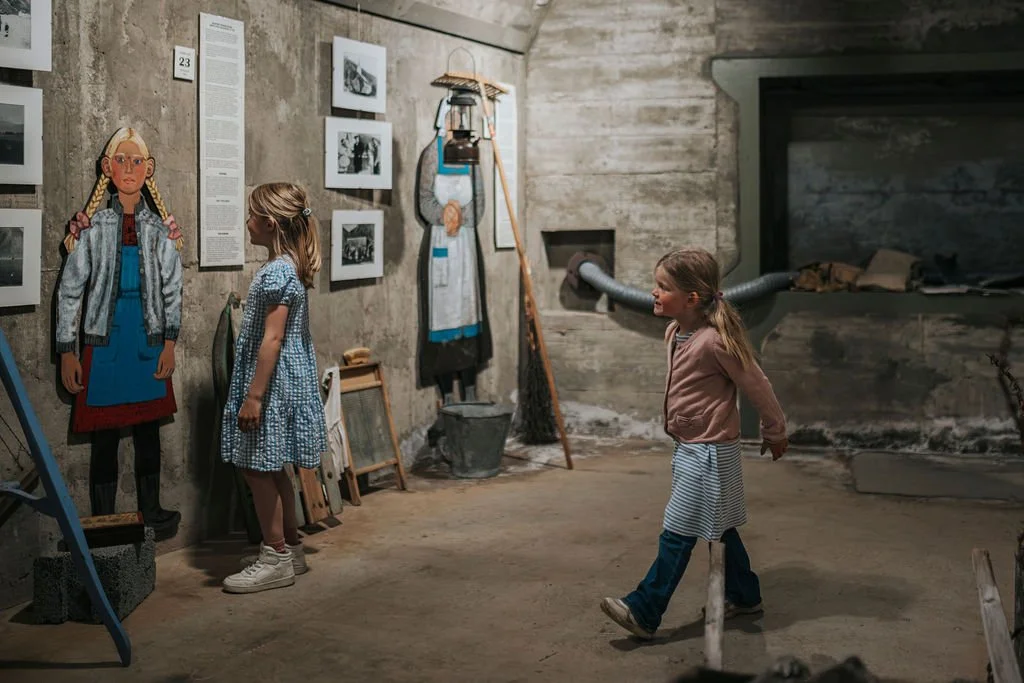
Nordlandsmuseet has activities for children at most of our facilities throughout the summer. At The Jekt Trade Museum, children can go Lofoten fishing with Jakob, learn to make klappakke or join the house chef. the jekt skipper on a children's tour — there's something new happening every Thursday from June 25th. At Kjerringøy trading post , Grovtausa Jentine needs help on the farm every Tuesday from June 23rd. She's terribly busy, and children from 6 years old are more than welcome to help.
Fauske Folk Museum offers summer workshops for children every Wednesday in July , where children make everything from butterflies to their own sailboats. On Thursdays there is the Children's Museum Experience, where children learn about life in a fishing and farming family and taste flatbread and dried fish. At Beiarn Folk Museum there is a creative workshop for children every Thursday from 9 am to 11 pm. July .
Did you know that...
Children under 18 years of age have free entry to 19 of Nordlandsmuseet's facilities.
Please note that some events and activities have their own ticket prices.
Photo: Karoline OA Pettersen
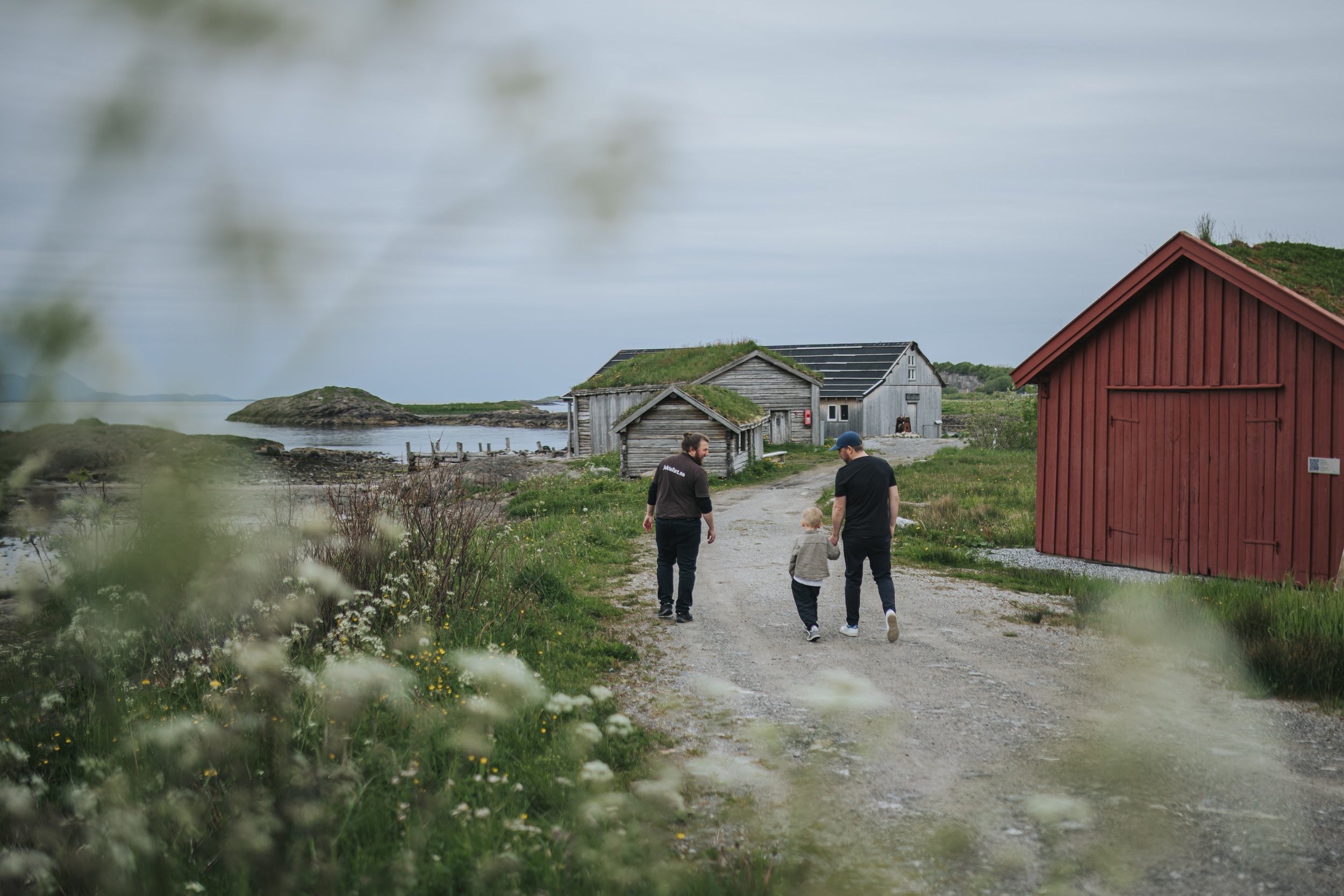
Happy summer from us in Nordlandsmuseet !
We look forward to welcoming you this summer — whether you are on vacation in Salten or already live here.
Photo: Karoline OA Pettersen
