Sulitjelma Mining Museum
For over 100 years, Sulitjelma was one of Norway's largest mining communities. At the Sulitjelma Mining Museum, you can explore the history of the people who built an entire community around the copper mines in Nordland.
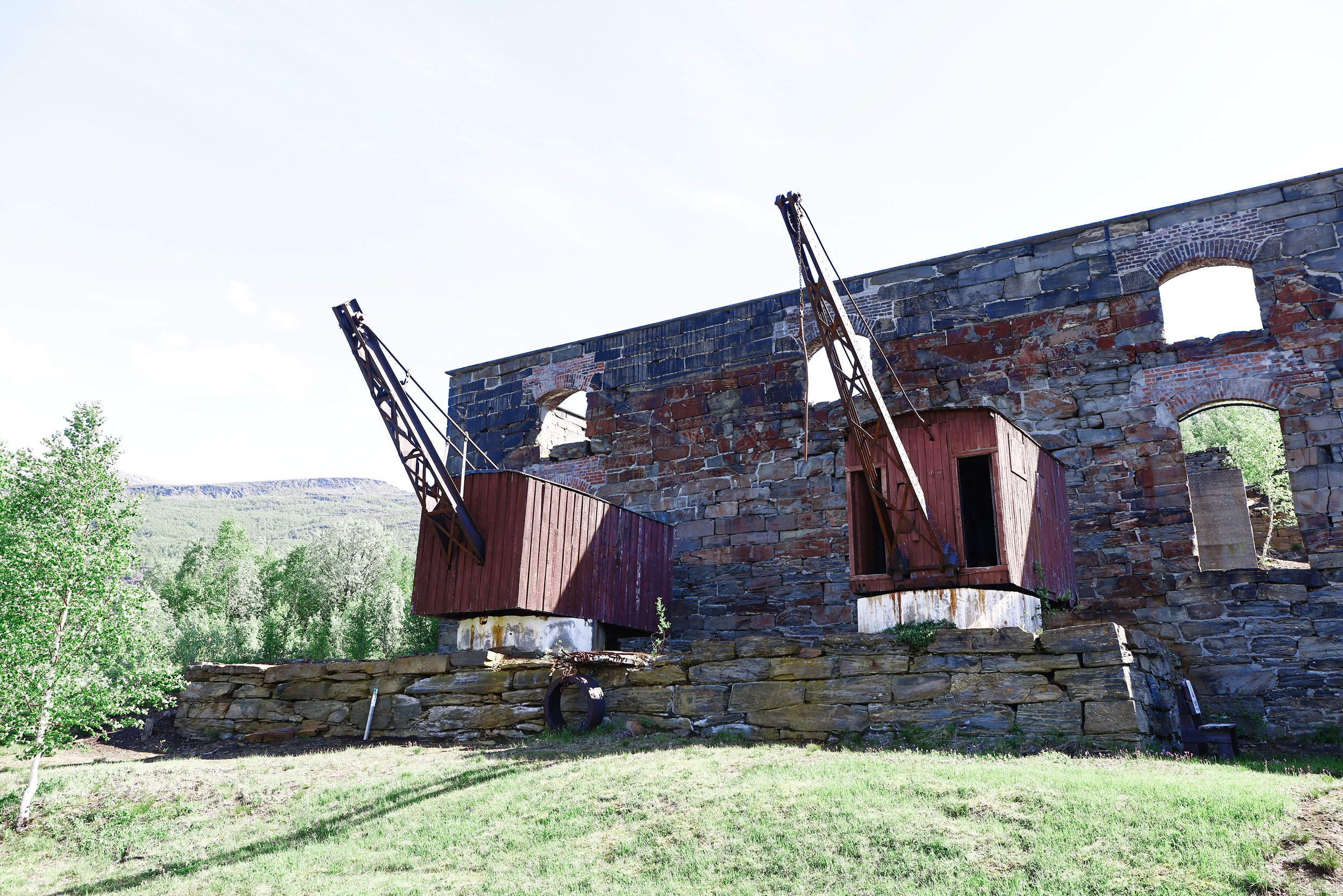
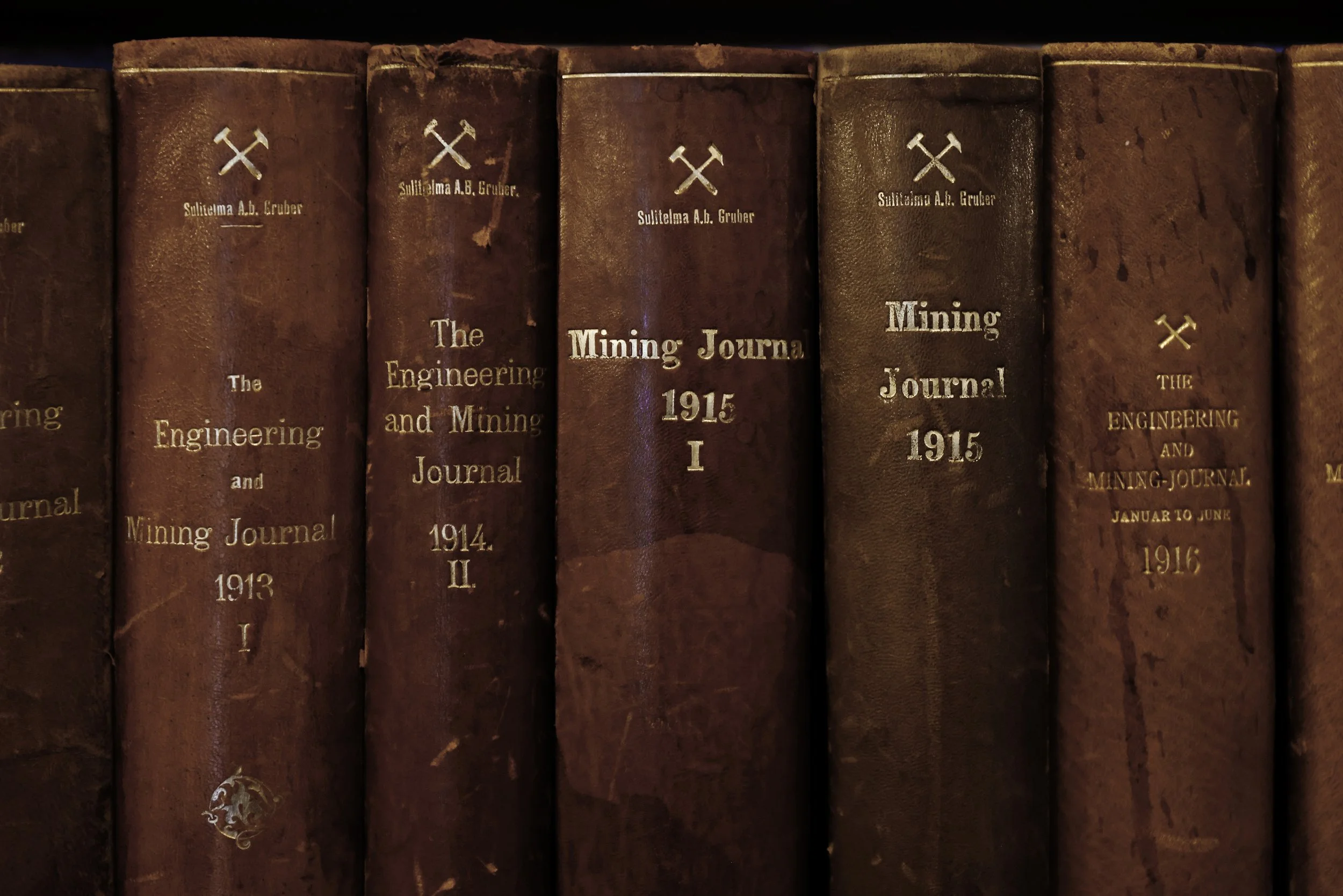
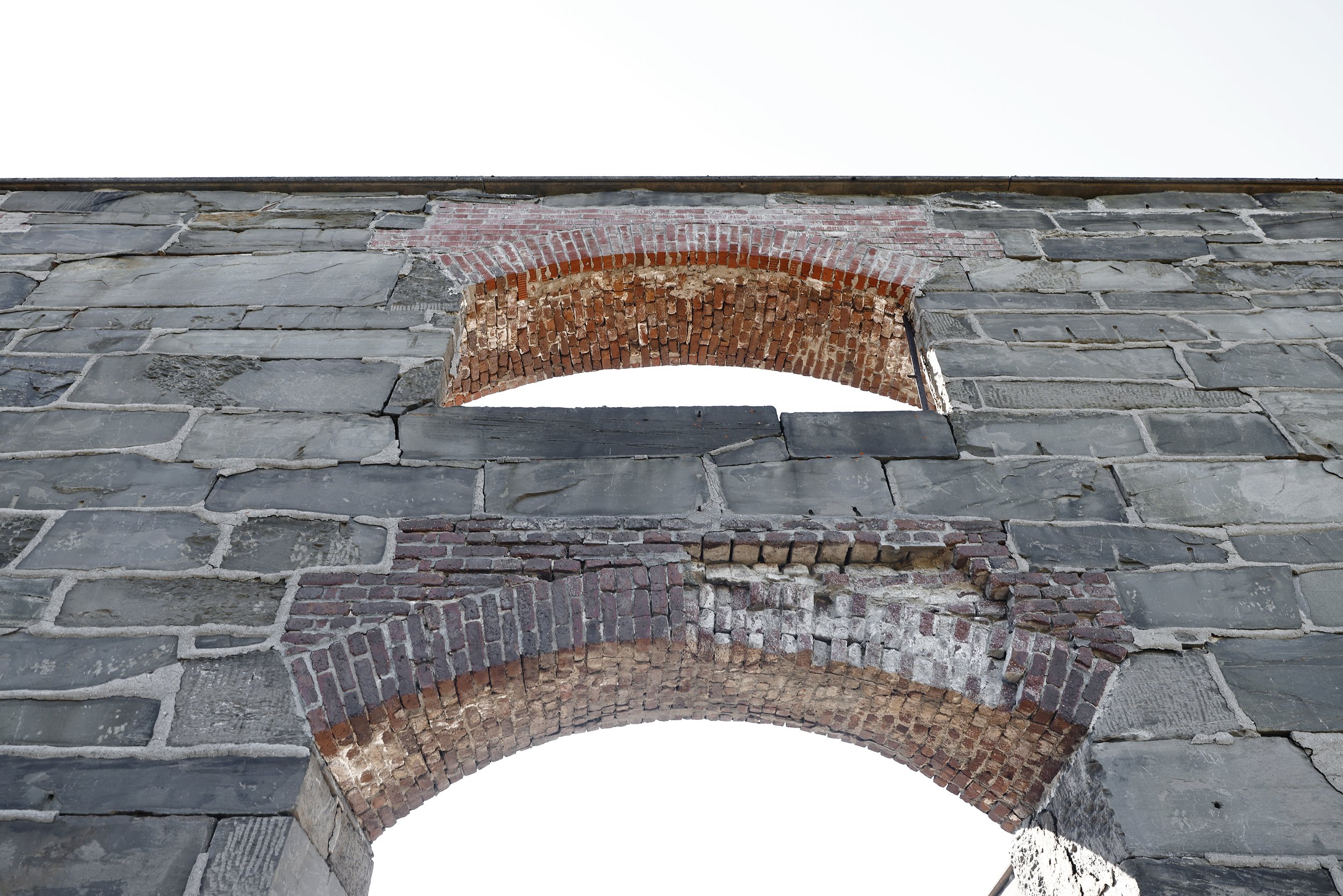
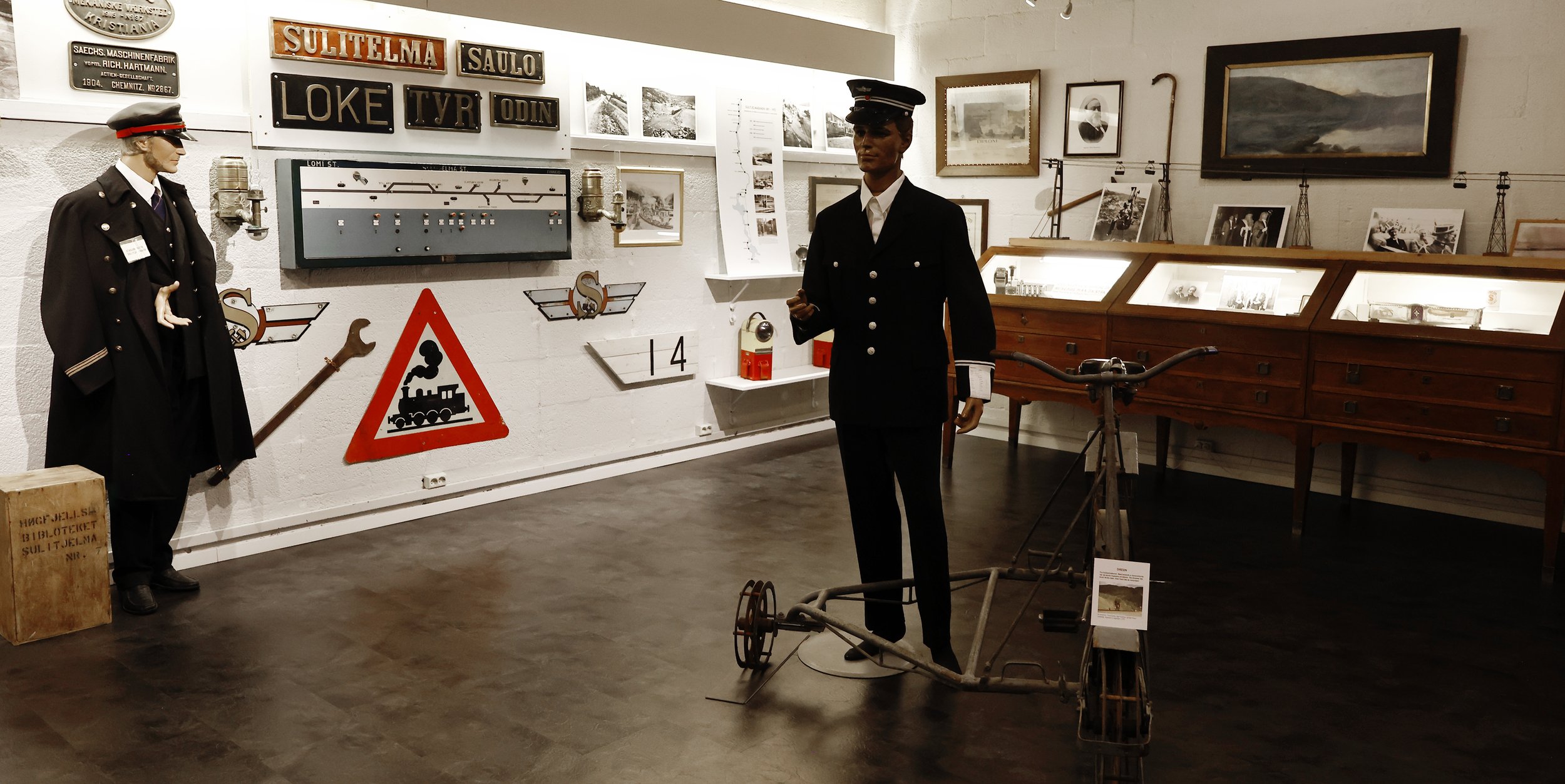
The museum is located in the first industrial area established at the start of mining, with the old copper smelting shed from 1899 and the first power station from 1893 still standing. The exhibitions touch on different aspects of a one-sided industrial society: transport, industrialization, workers' struggle, health and everyday life. Through hundreds of historical photographs, you get a unique insight into the everyday life of the miners and their families.
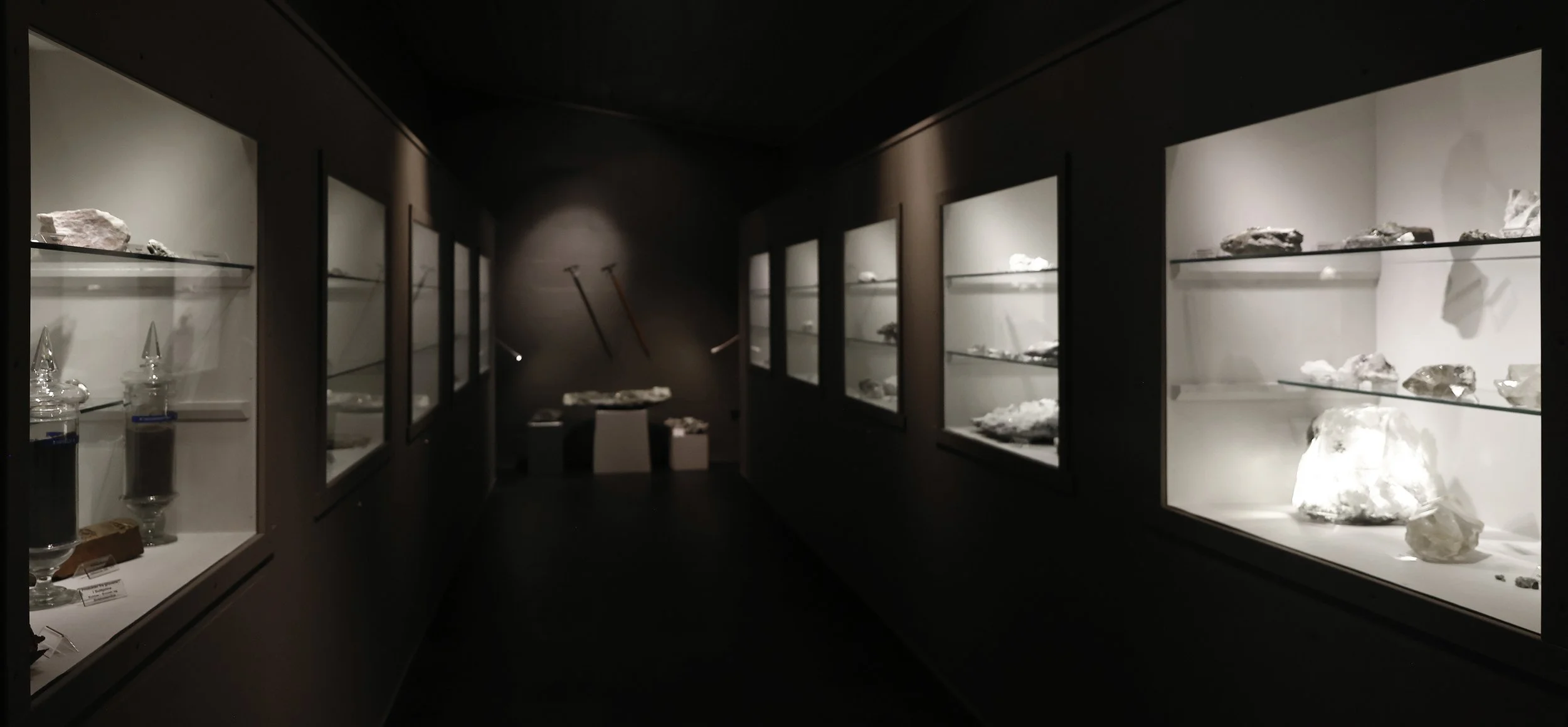
Don't miss the mineral exhibition, with beautiful shapes, colors and natural sculptures made from local rocks and minerals.
On the way to Sulitjelma you can also visit Sjønstå farm and Fauske Folk Museum .
Pictures on this page: Nordlandsmuseet and Marta Anna Løvberg
Did you know that...
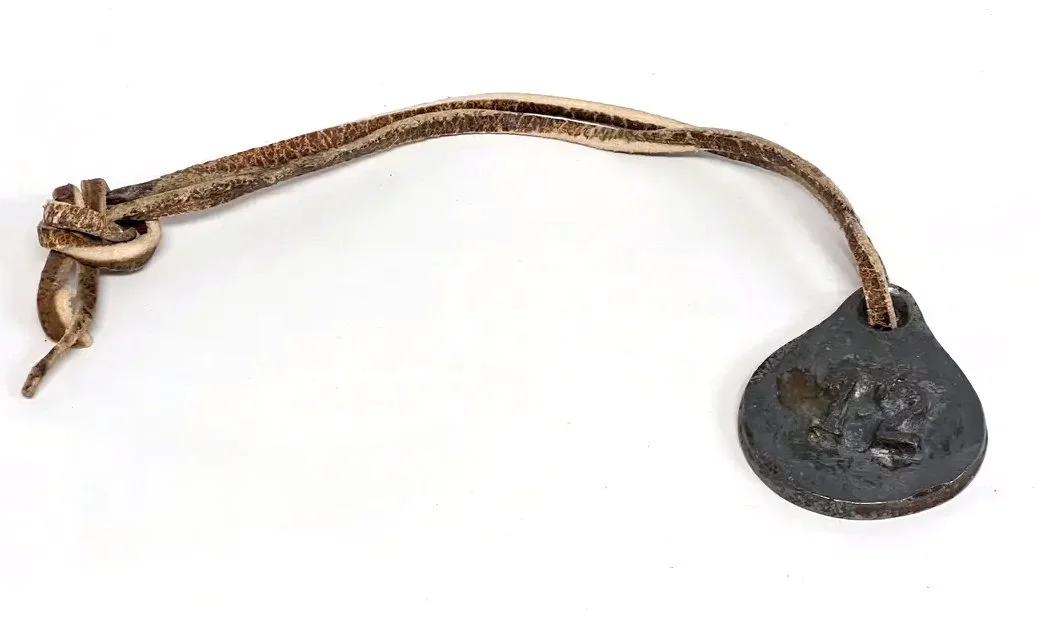
In 1906, Sulitjelma Gruber wanted to introduce a control system where miners would have to wear a teardrop-shaped metal pendant with a leather strap to register who was inside the mines at any given time. When the workers showed up for their shifts, they refused.
For them, this was the last straw — they were not slaves, and they were not supposed to wear what quickly became known as the “Slave Badge.” On January 13, 1907, they gathered and formed a union. The badge became a symbol of the workers’ struggle and can be seen today in the museum’s exhibition.
Image of Slave Mark No. 12. Photo: Nordlandsmuseet
Opening hours
Sulitjelma Mining Museum has been open during the summer season of 2026 and will reopen with regular opening hours in the summer of 2027. More information will be available in the spring.
Would you like to visit us in the meantime? You can book a tour even though we don't have fixed opening hours now — read more here .
Practical information
Entrance tickets are purchased upon arrival at the museum. Expected visit time is approx. 1 hour. Photography is permitted without the use of flash.
Prices
Adults NOK 90, students/honors NOK 70.
Children under 18 have free entry.
Groups (min. 10 paying) NOK 70 per person.
Special prices apply for visits outside of regular opening hours.
Facilities
Museum shop. Picnic benches outside during the summer season. Wheelchair ramp into the museum. Exhibitions are located on the ground floor and basement. There are only stairs down to the basement — no elevator or ramp. Toilet in the basement. Free parking.
Address and directions
Follow the E6 to Finneid, then county road 830 to Sulitjelma. The museum is located at the eastern end of Langvatnet. There are information boards at Finneid and upon arrival at Sulitjelma.
This happens:
Group visits and tours
Sulitjelma Mining Museum welcomes groups all year round. We offer guided tours of the collections, which cover the history of the mining community through minerals, the labor movement, transportation history and sports. The tour takes approximately 1 hour and is available in Norwegian and English.
The group can consist of up to 20 people. It is possible to have two groups visiting at the same time.
Read our booking terms and conditions here.
Prices for guided tours on request
Weekdays 8:00 AM–4:00 PM: NOK 70 per person, minimum 10 paying people. Groups of less than 10 people still pay a minimum of NOK 700. Children in the group have free admission.
Evenings and weekends: from NOK 2,500 plus NOK 70 per person, no minimum number required.
Fill out the form below and send us an inquiry. We will respond as soon as we can and confirm if the desired date is available.
Did you know that...
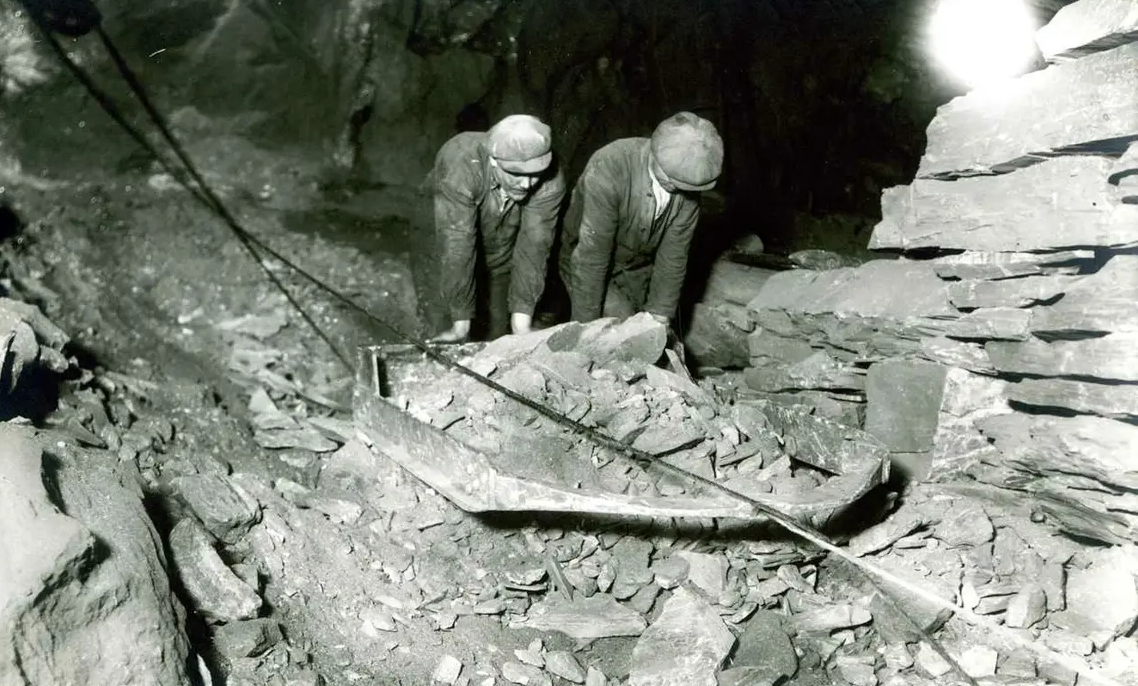
At the Jakobsbakken mine, miners worked with scraping in a pit. A pit is a large cavity that is formed when ore is extracted from the rock. Scraping is a technique in which a scraping elevator is used to scrape the ore down to a collection point, from where it can be transported further. The photo was taken in the 1940s, while the mine was still in full operation.
A model of the Jakobsbakken mine was made in 1932 by Johan Ramskjell and Gudbrand Bakli for an industrial exhibition in Bodø The model shows barely half of what was eventually excavated, and can today be seen at the Sulitjelma Mining Museum.
Photo: unknown