
Batterie Dietl
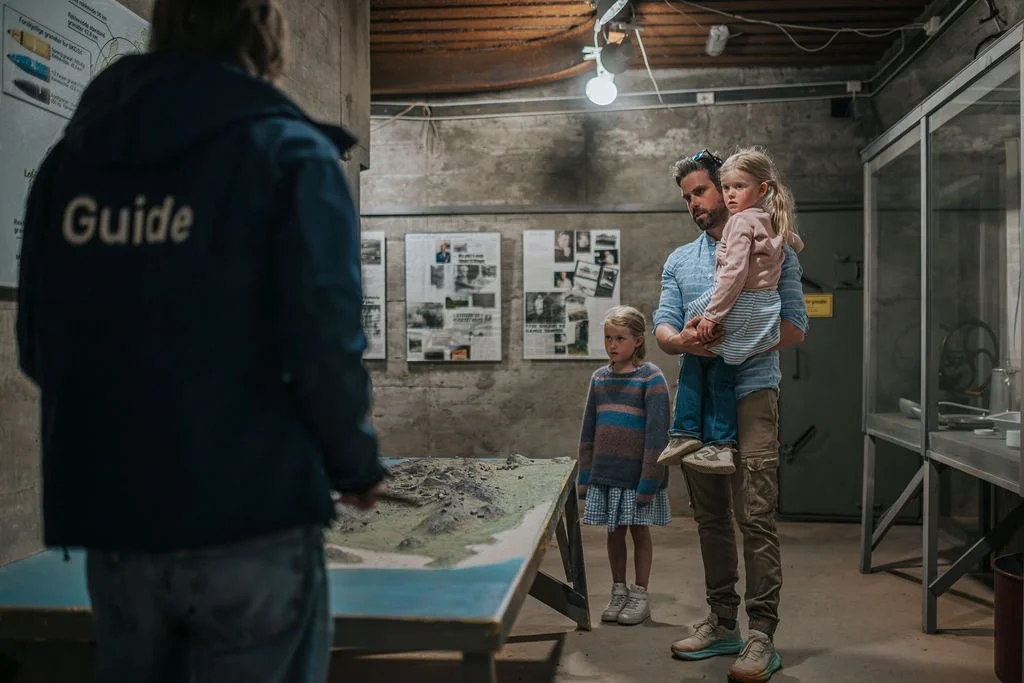
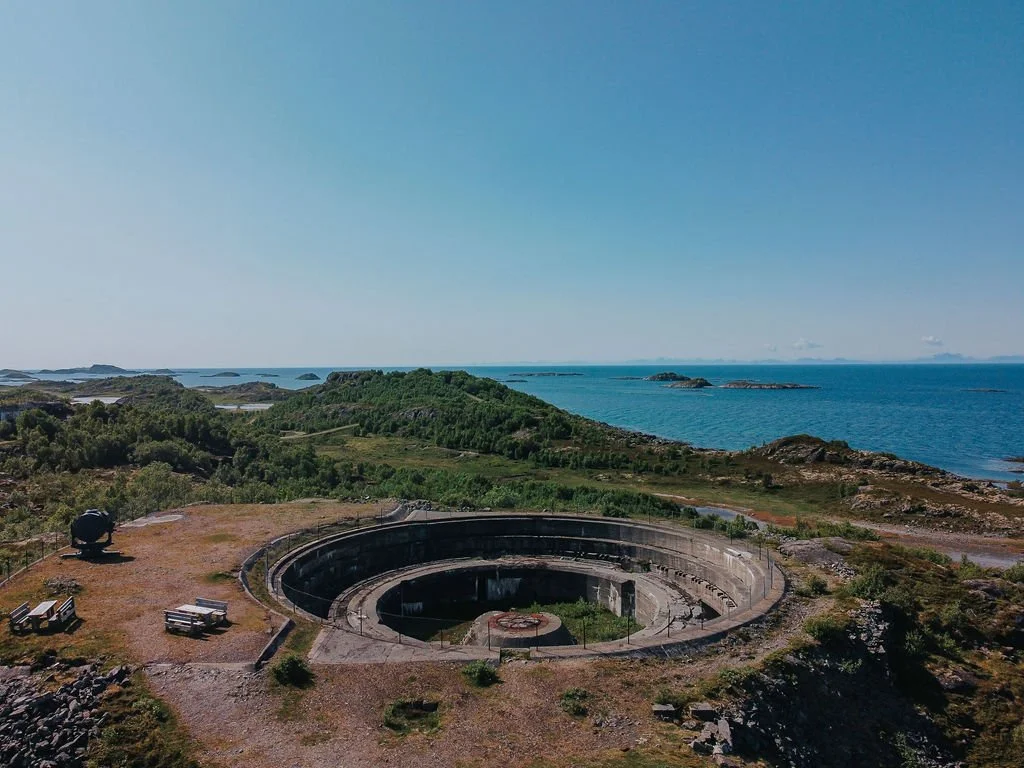
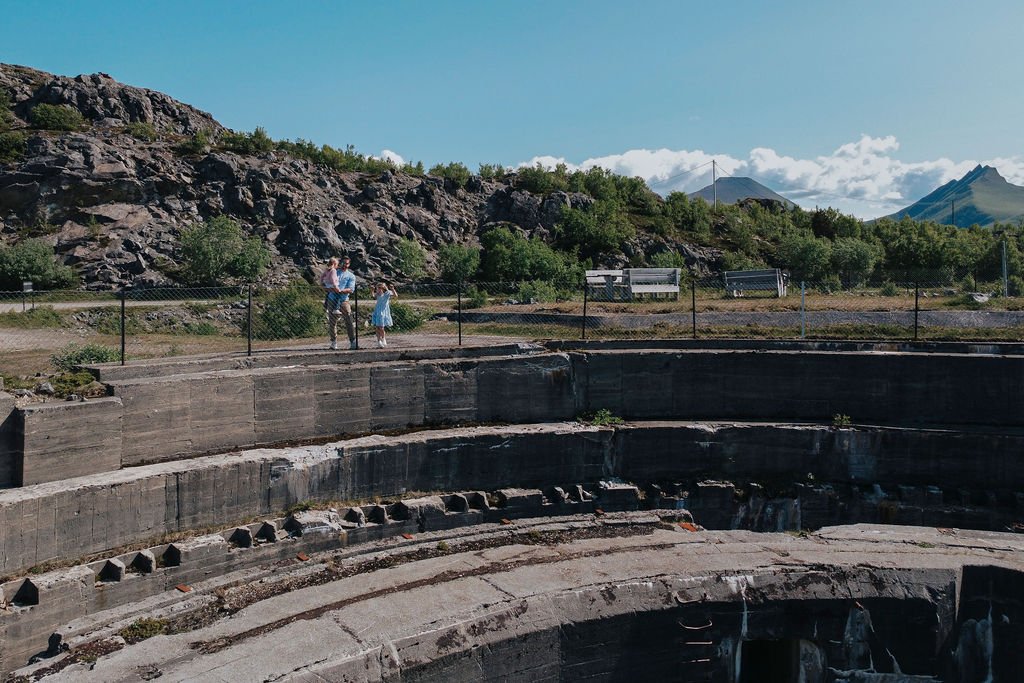
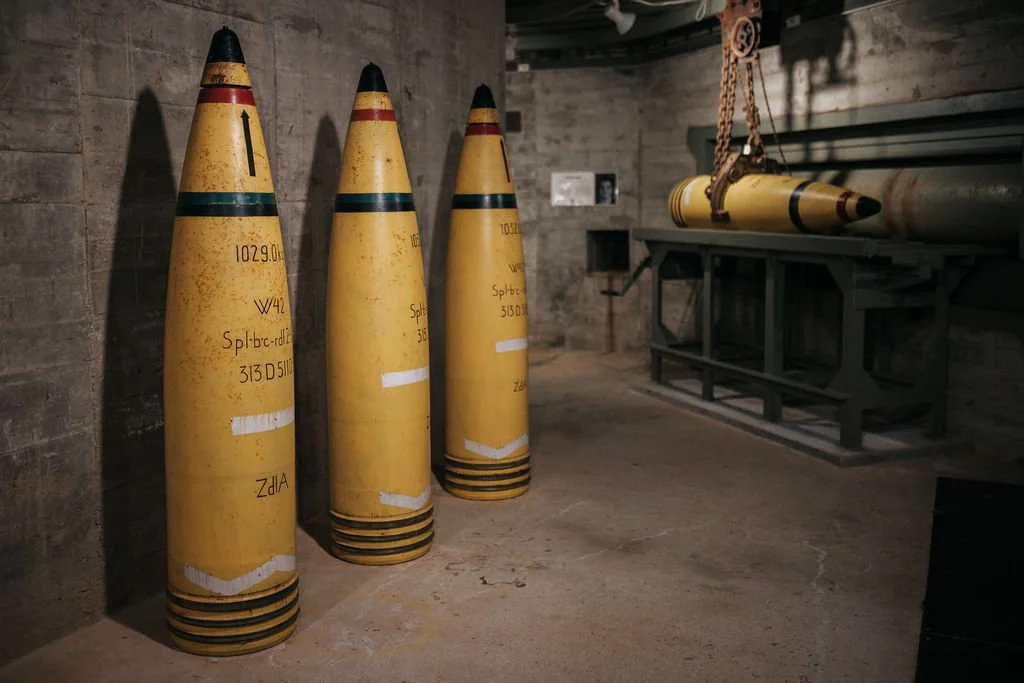
Batterie Dietl is one of Europe's largest coastal fortresses from World War II. It housed three of the world's largest land-mounted cannons, which fired shells with a diameter of 40.6 cm. The maximum range was 56 km. The fort guarded the entrance to the Vestfjord and the important shipping traffic to Narvik, where iron ore from Sweden was collected and taken to Germany's weapons forges.
The exhibitions
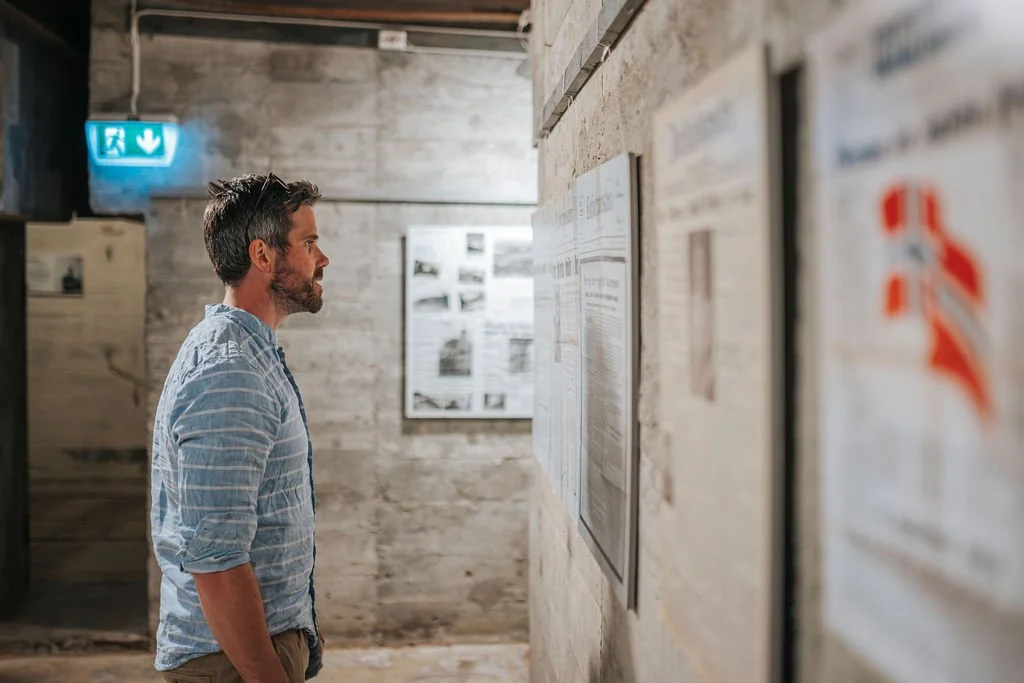
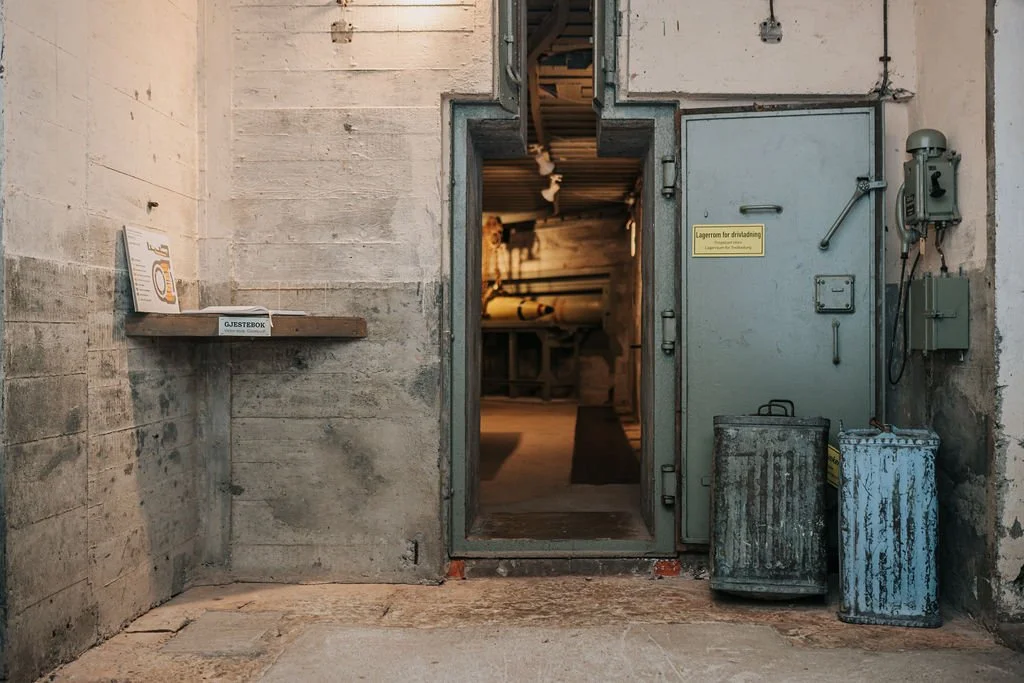
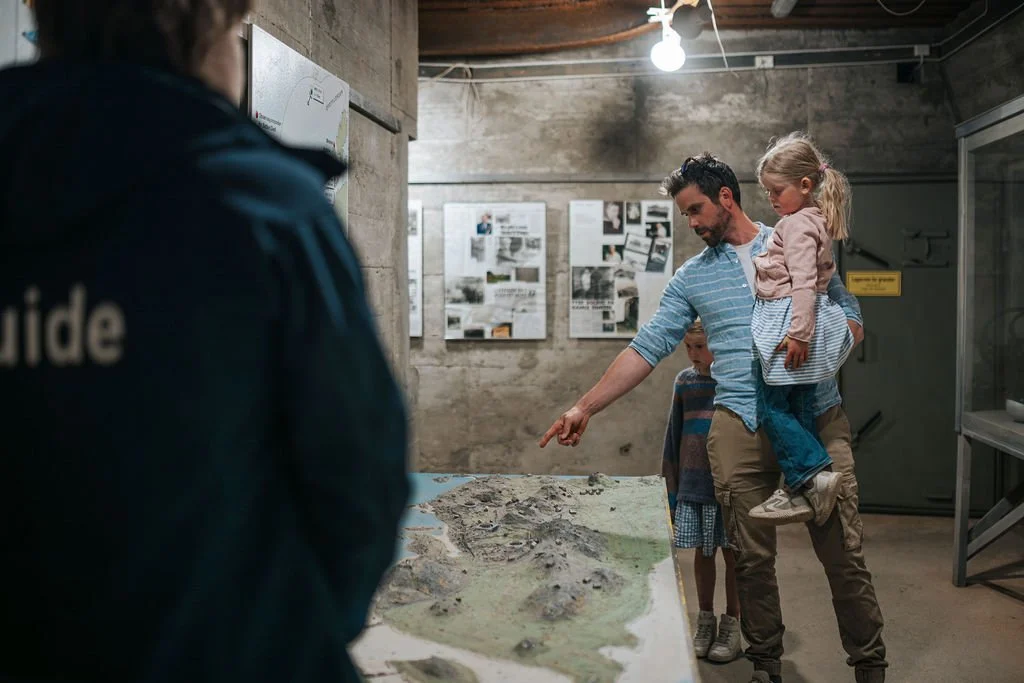
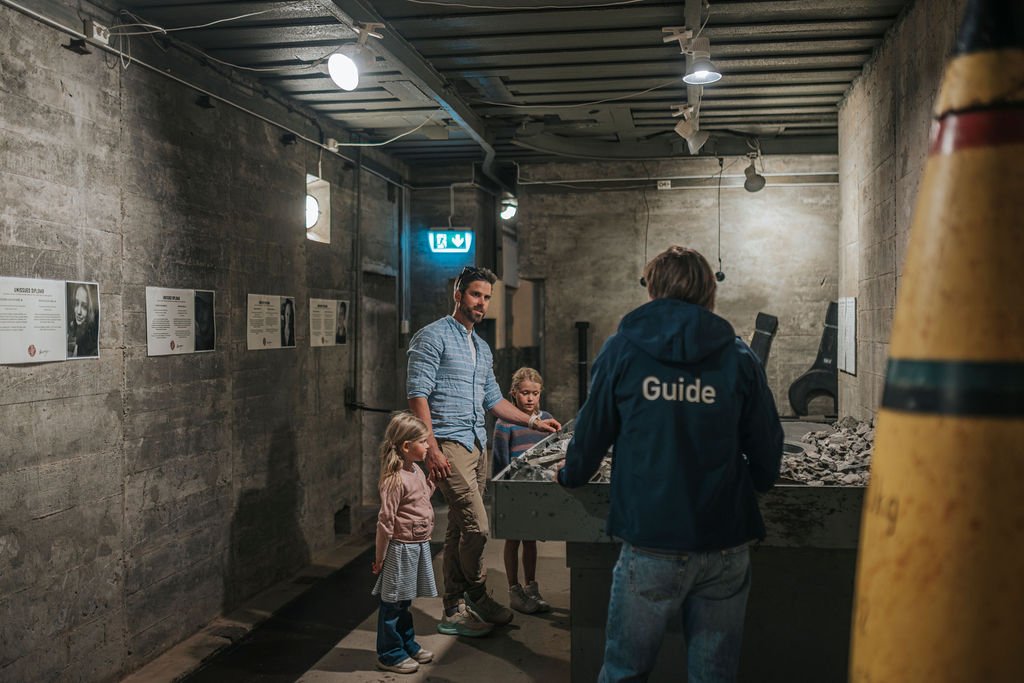
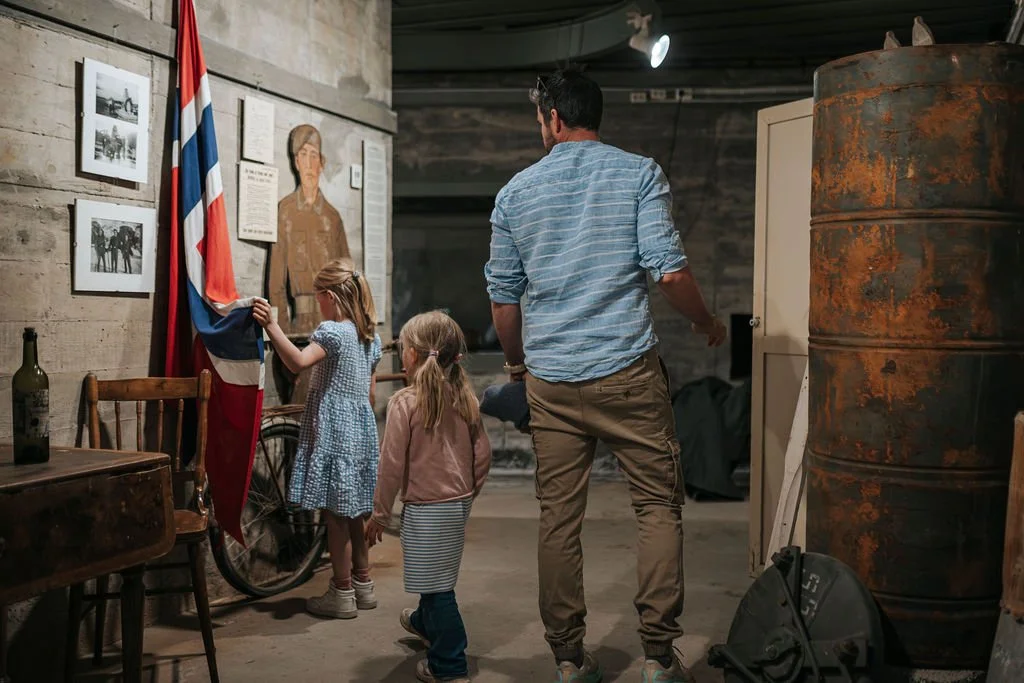
One of the cannon bunkers has been converted into an exciting museum with restored ammunition and engine rooms. The bunker remains untouched since the war, with original installations and inscriptions on the wall.
It is a sinister but impressive structure with walls up to 3.5 meters thick. The exhibition tells the story of the daily lives of the soldiers, prisoners of war, forced laborers and, not least, the local population. Engeløya during the war years.
Photos: Karoline OA Pettersen

Location
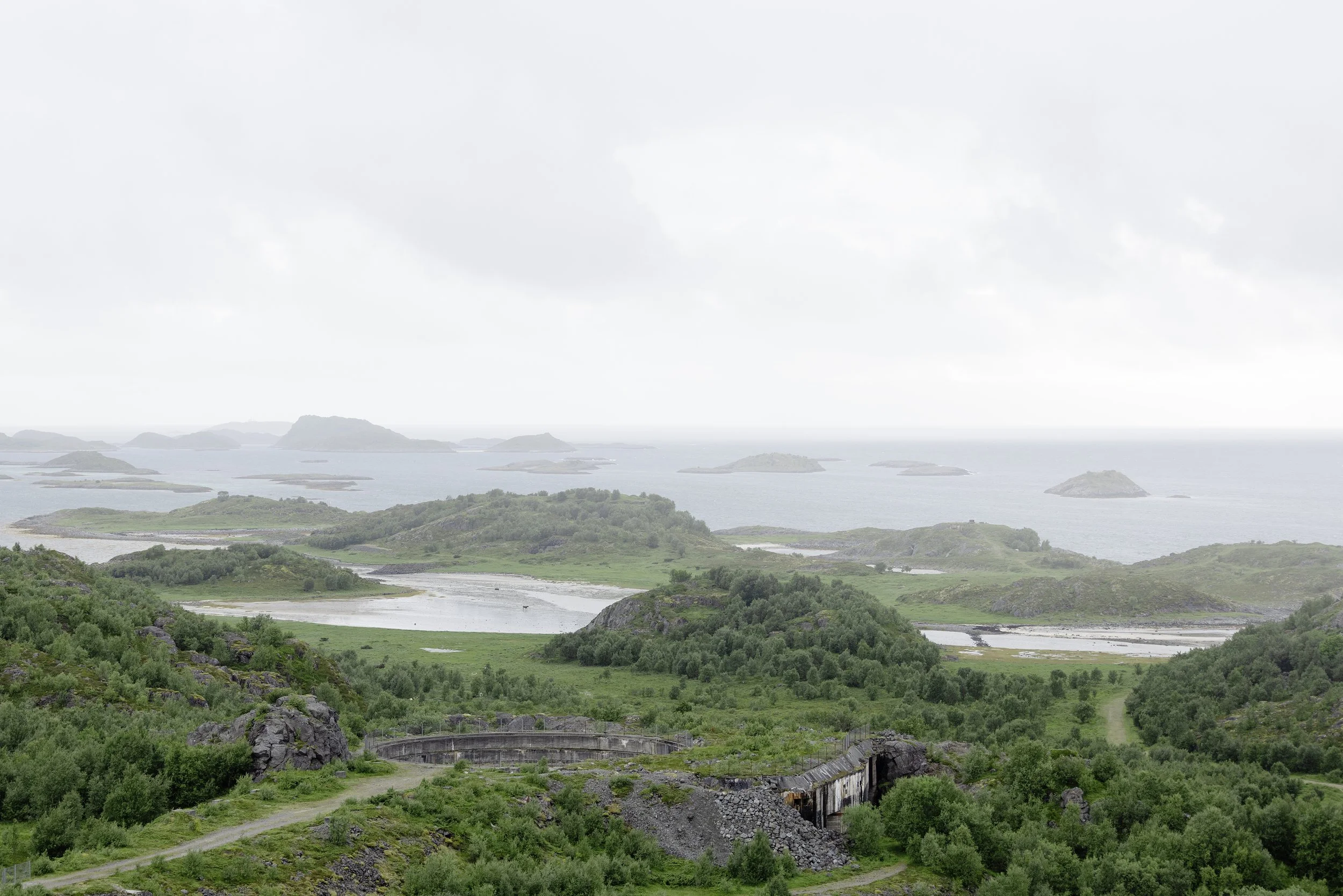
The fortress is located in a fantastic natural area. A varied coastal landscape with knolls, bays, small sandy beaches and a rich growth of mountain and beach flowers, which have begun to cover the wounds in the landscape.
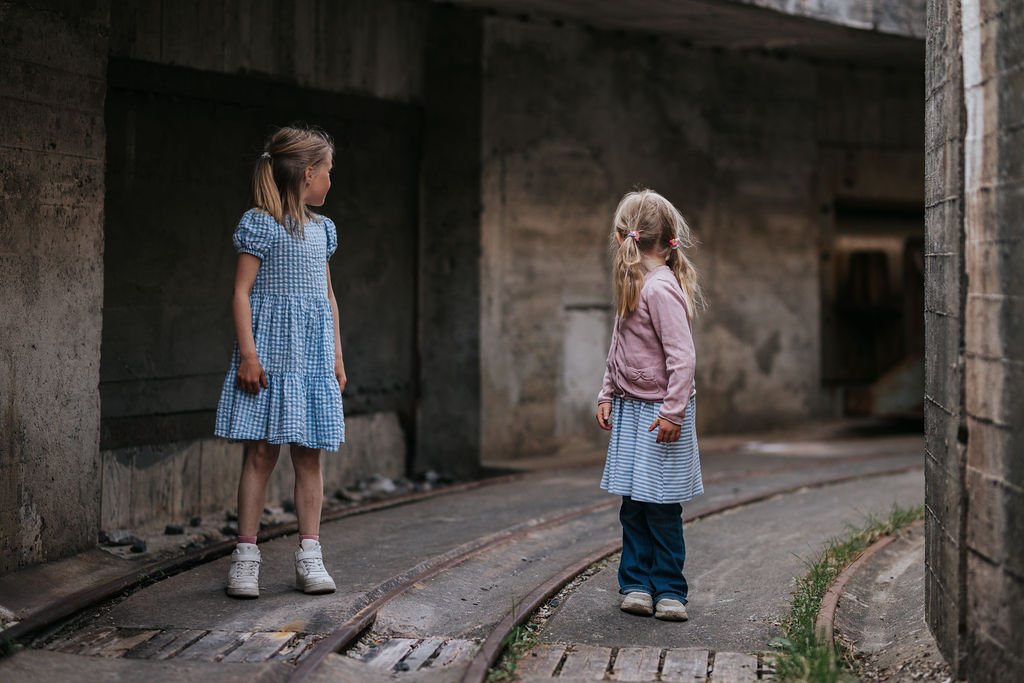
An area that offers rich opportunities for recreation and nature experiences. Many lookout points provide a good opportunity to enjoy a magnificent view of the Lofoten Wall. The entire fortress area can be experienced on foot. On your own, you can discover a lot of war relics. There are many ruins, bunkers and mountain halls in the fortress area. Bring a flashlight, but:
Be careful! Remember that you travel in the area at your own risk.
Do not let children play in the area unsupervised, there are hidden dangers in the terrain.
Please note – the area is pastureland, so please be careful and remember to keep your dog on a leash!
It can be a bit chilly in the bunker. Remember to wear some extra clothes.
Photo: Ernst Furuhatt
Opening hours
Batterie Dietl has been open during the summer season 2026 and will reopen with regular opening hours in the summer of 2027. More information will be available in the spring.
Would you like to visit us in the meantime? You can book a tour even though we don't have fixed opening hours now — read more here .
Practical information
Entrance tickets are purchased upon arrival at the museum. Expected visit time is approx. 1 hour. Photography is permitted without the use of flash.
Prices
Adults NOK 90, students/honors NOK 70.
Children under 18 have free entry.
Groups (min. 10 paying) NOK 70 per person.
Special prices apply for visits outside of regular opening hours.
Facilities
Toilet. Simple dining. Free parking / HC parking in front of the entrance. Cars can be parked in the parking lot above the museum bunker. The bunker is partially accessible to wheelchair users, but has not undergone adaptations for disabilities and contains some high door frames and stairs down to the basement.
Address
Arrival
Batterie Dietl is located on Engeløya in Steigen. Exit the E6 at Tømmerneset. About 50 km to Engeløy bridge. After the bridge you can choose, right or left, it is exactly the same distance to Bø. The fortress road from Bø to the fortress is 3 km long.
Speedboat
Nearest stop for the speedboat from Bodø is Bogøy.
Engeløya is a great destination for cycling trips . You can cycle around the island (35 km) and take a detour to Batterie Dietl.
Booking
History of the museum
Batterie Dietl was built by the German occupation forces between 1942 and 1945 to gain complete control over shipping traffic through the Vestfjord. With its three enormous guns with a range of up to 56 km, they could fire all the way to Lofoten and cover large parts of the Vestfjord.
The establishment of Batterie Dietl was an enormous construction project that tied up to 1,000 German workers to the site. In addition, several hundred civilians were forcibly conscripted to work at the facility. From the autumn of 1942, Soviet prisoners of war came to work here. At their peak, over 1,400 prisoners were crammed together in a cramped prison camp. Their working and living conditions were unbearable, especially in the first year. More than 500 people died - from hunger, exhaustion, disease and violence.
The fortress was taken over by the Norwegian Armed Forces in 1945, but closed down during the 1950s. The cannons were dismantled, melted down and the material reused. The bunkers remained, most of them open and unsecured.
After many years of work, on the fiftieth anniversary of the Liberation on May 8, 1995, the museum bunker was opened.
Photos: Karoline OA Pettersen