
Lofoten fishing is a central element in the history of jet fishing. It was the skrei from Lofoten that was the basis for jet fishing. Without Lofoten fishing, there would be no jet fishing. In this story, the Lofoten chest also becomes central. Without the equipment of fishermen, there could be no fishing.
Provisions and clothing were packed in separate chests and taken to the fishing villages. In the homes, the production of food and clothing for Lofoten fishermen had to be prioritized. This work was largely women's work, and both the workload and the expertise behind it are central to the history of women on the coast.
Historian and lecturer Åsa Elstad shares her knowledge of the Lofoten Kista and women's work along the coast. Åsa is particularly interested in textiles, coastal culture and everyday history, and has written several books, including "Threads from the past", "Coastal women in Norway" and "Fashion lovers and homecomings". She has co-authored the works "Second World War in the North", "Nordland's history", "Norwegian fishing and coastal history", "Norwegian polar history" and "Northern Norwegian history". She has taught in most types of schools and has been the first curator at Museum Nord.
Date: February 4
Time: 18:00-19:00 (doors open 17:30)
Place: The Jekt Trade Museum @ Conference room
Price: 150NOK (including coffee and tea)
Language: Norwegian
Open cafe with cake sales
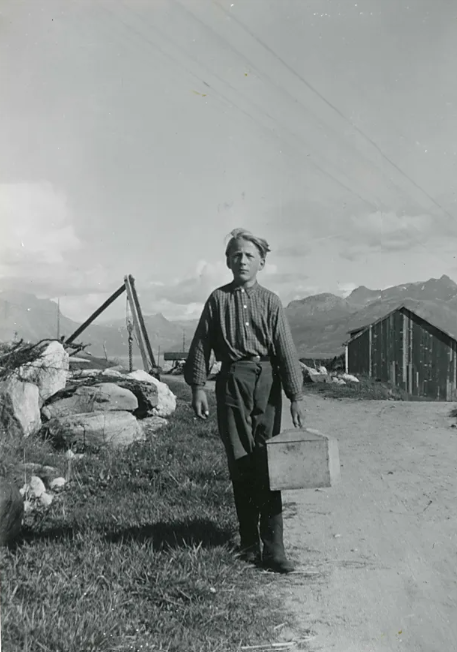
Photo: Gjermund Laxaa // Jan A. Laxaa ready for his first trip to Lofoten for fishing, with Lofoten chest/Lofote box.