
Ryer in boat and bed
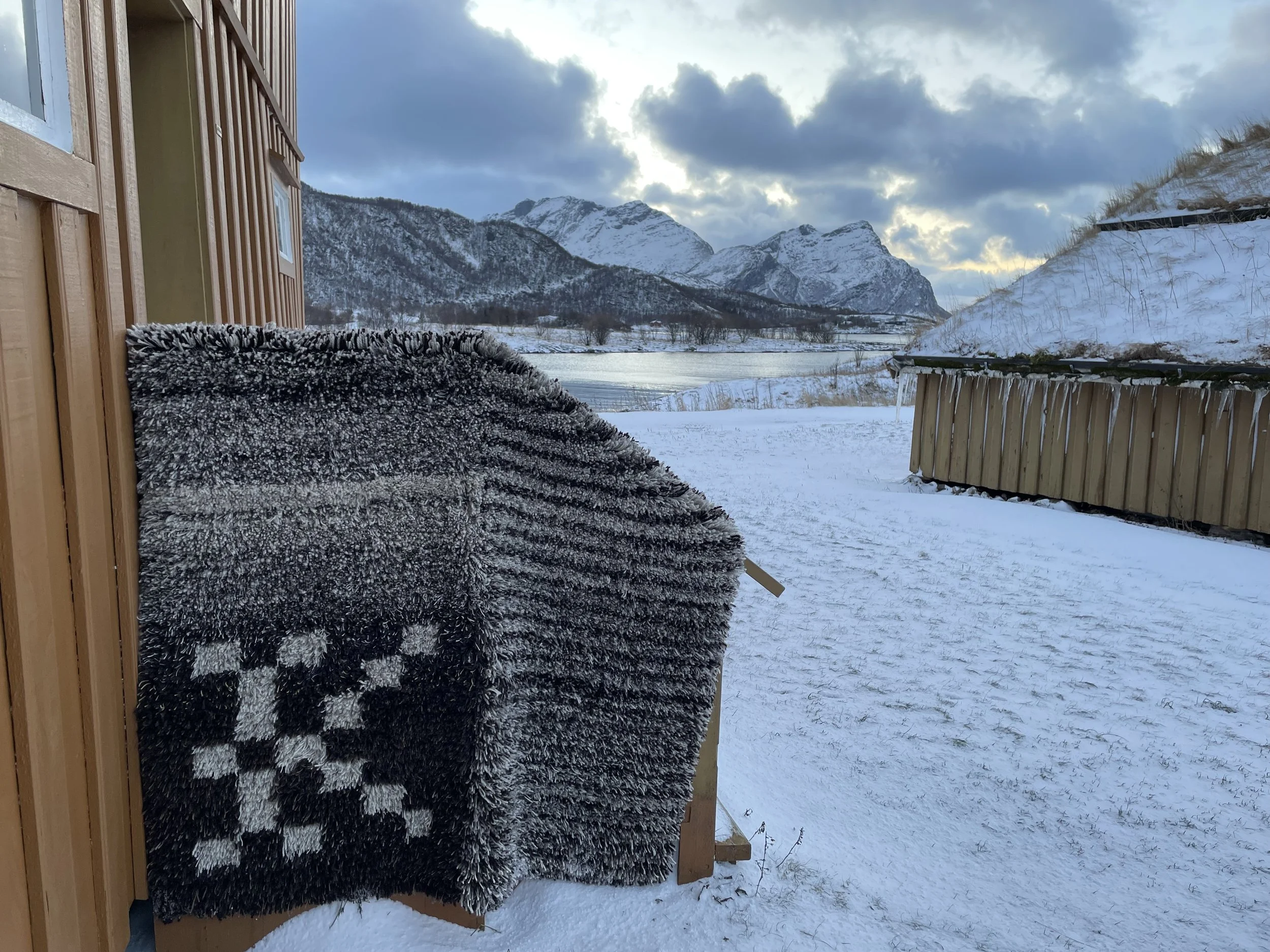
Nordlandsmuseet has a significant collection of rye. The largest is the collection from Kjerringøy trading post , where 14 whole and half rows have been preserved.
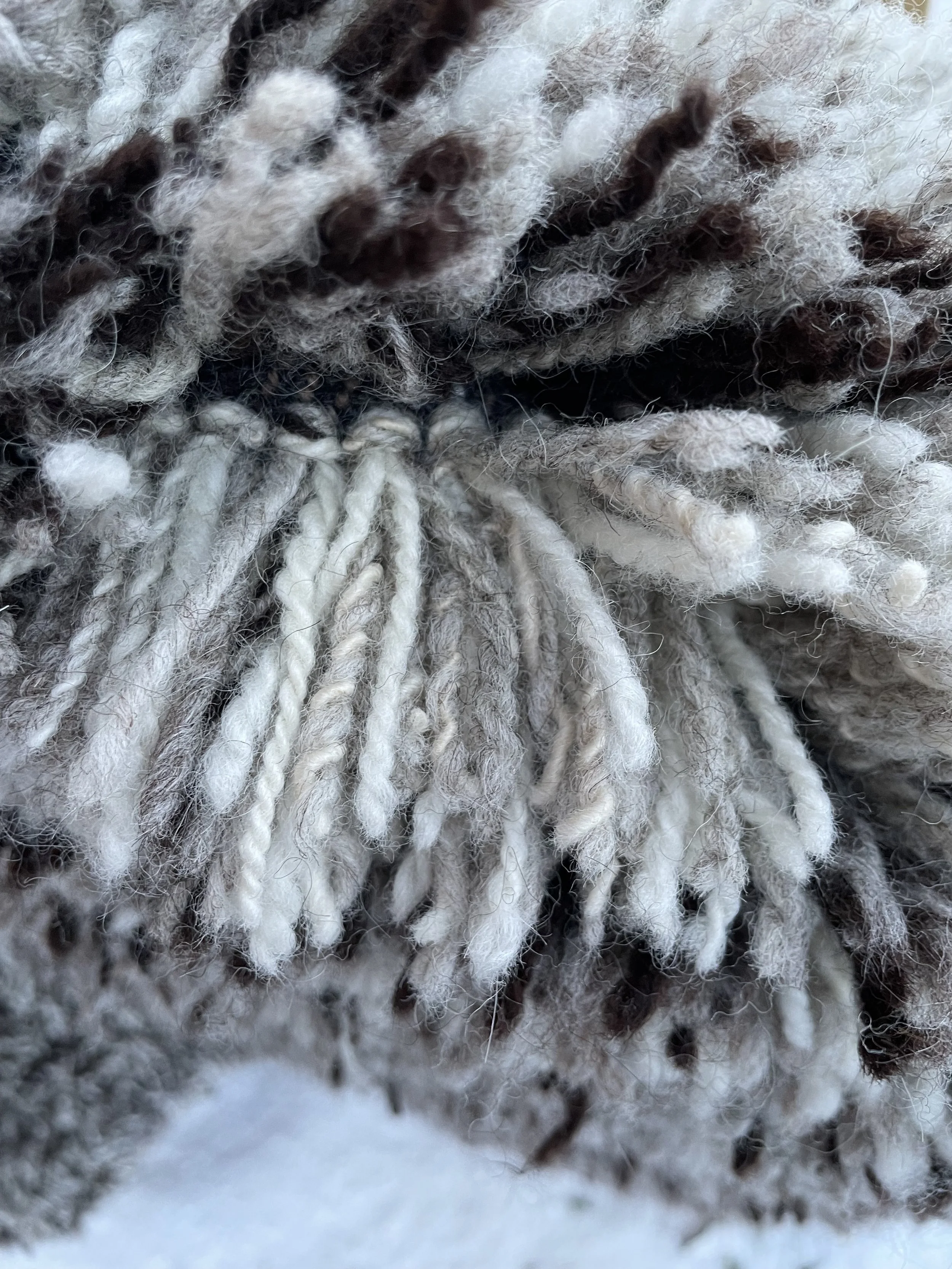
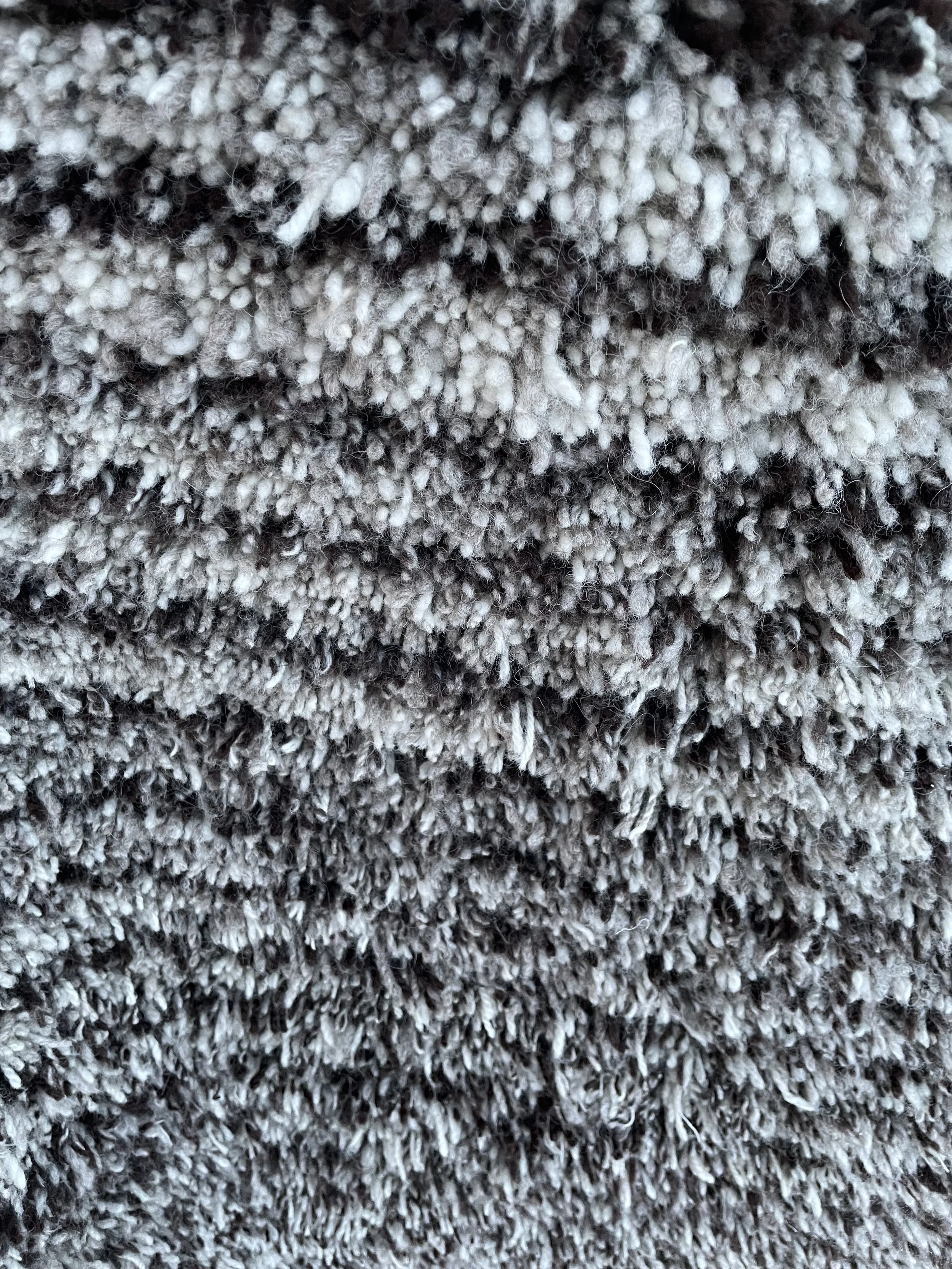
A rye is a woven bedspread made of wool. One side is smooth, with a warp and weft of wool, and resembles a blanket. The other side has dense floss, tied into the weave. The floss is made of thick wool yarn, often with interspersed cuts of rags from woven wool fabrics, sometimes cotton. The garment has many names: rye, napparye, lofotrye and boattrye.
One of the 14 ryes from Kjerringøy trading post Photo: Erika Søfting
Why Rya looked after the sea
In Nordland, the garment is often called a boat shirt. The name refers to where it was used the longest, but the shirts were worn both inland and along the coast, and are also found in Sweden, Finland, the Faroe Islands and Iceland.
In boats and fishermen's huts, textiles become damp. Where eight men had to sleep, eat, cook and dry clothes in the same room, the leather hide worked poorly. Wet leather hides become cold and clammy against the leather side, and stiffen when it dries. A pure wool rug retains heat even when damp, and is just as soft after drying. It can also be washed.
The last ryes to enter our collections came from DS "Skjerstad". They were in use there until the 1950s. In beds on land, ryes went out of use many decades earlier.
Shape, color and monogram
A rye is sewn together from two woven parts. The old flat looms had a weave width of around 80 centimeters, and a length of around two meters. A finished rye then measures around 160 by 200 centimeters.
The smooth side often has stripes, checks or a houndstooth pattern in several colors. The floss side varies more. Many ryes have sheep-colored wool in the floss — white, black and brown, often twisted together from a dark and a light thread. The mottled yarn hid stains and wear.
The rugs from Kjerringøy are distinguished by large monograms in dark sheep-colored wool yarn, mixed with strips of cloth in dark colors. Several have white floss with touches of colored floss or colored textile strips. The similarity between them suggests that they may have been woven by the same person, perhaps the housewife herself.
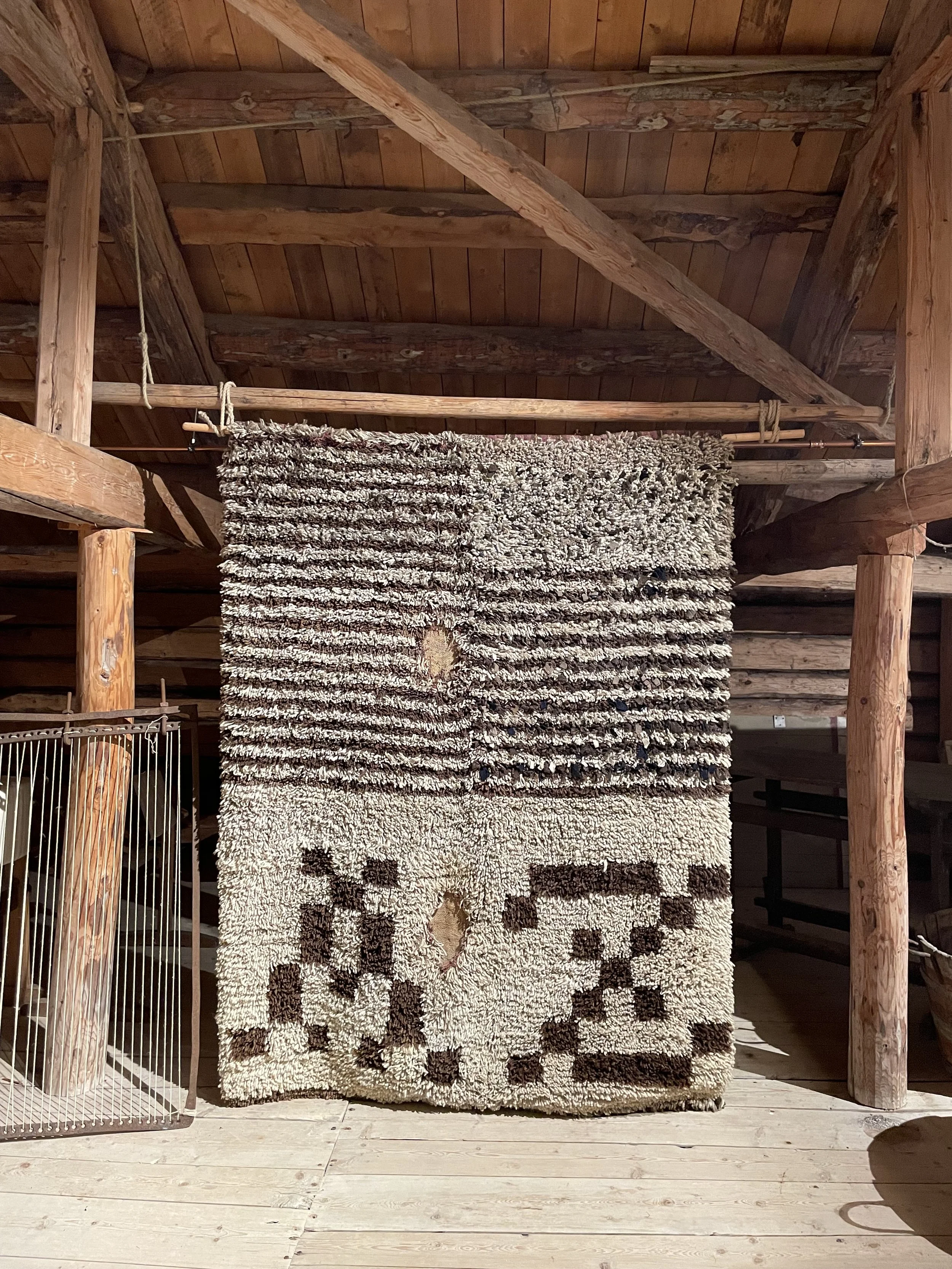
Rye from Kjerringøy trading post , woven in wooden shaft twill and sewn together from two widths of 74 centimeters. The warp is striped in sheep's brown, red-violet and yellow, and the floss is of sheep-colored wool yarn with some lint in the striped part. The monogram AZ stands for Anna Elisabeth Zahl, born Sverdrup (1801–1879).
Photo: Erika Søfting
What a rye was worth
A skein weighs between 8 and 12 kilos. The wool had to be sorted, carded, spun and skeined, and the yarn for the floss was skeined so that the twine would not come loose when it was sheared. For a fishing and farming family, it could take several years to save enough wool.
The value reflects the work. In the 16th century, a rye was worth as much as a cow, and in the 18th century, it was equivalent to a pregnant heifer. In the 1900 Zahl settlement on Kjerringøy, the rye was valued at one to seven kroner — at that time, they were going out of use, and the down comforters in the same place were valued at ten.
If you study a row of clothes in the floss, you will find textile history woven into it. For a wife who wove row of clothes for her husband, both her own, his and the children's clothes could get a new life. This way he would take a little bit of his family with him when he was in the fishing village for months.
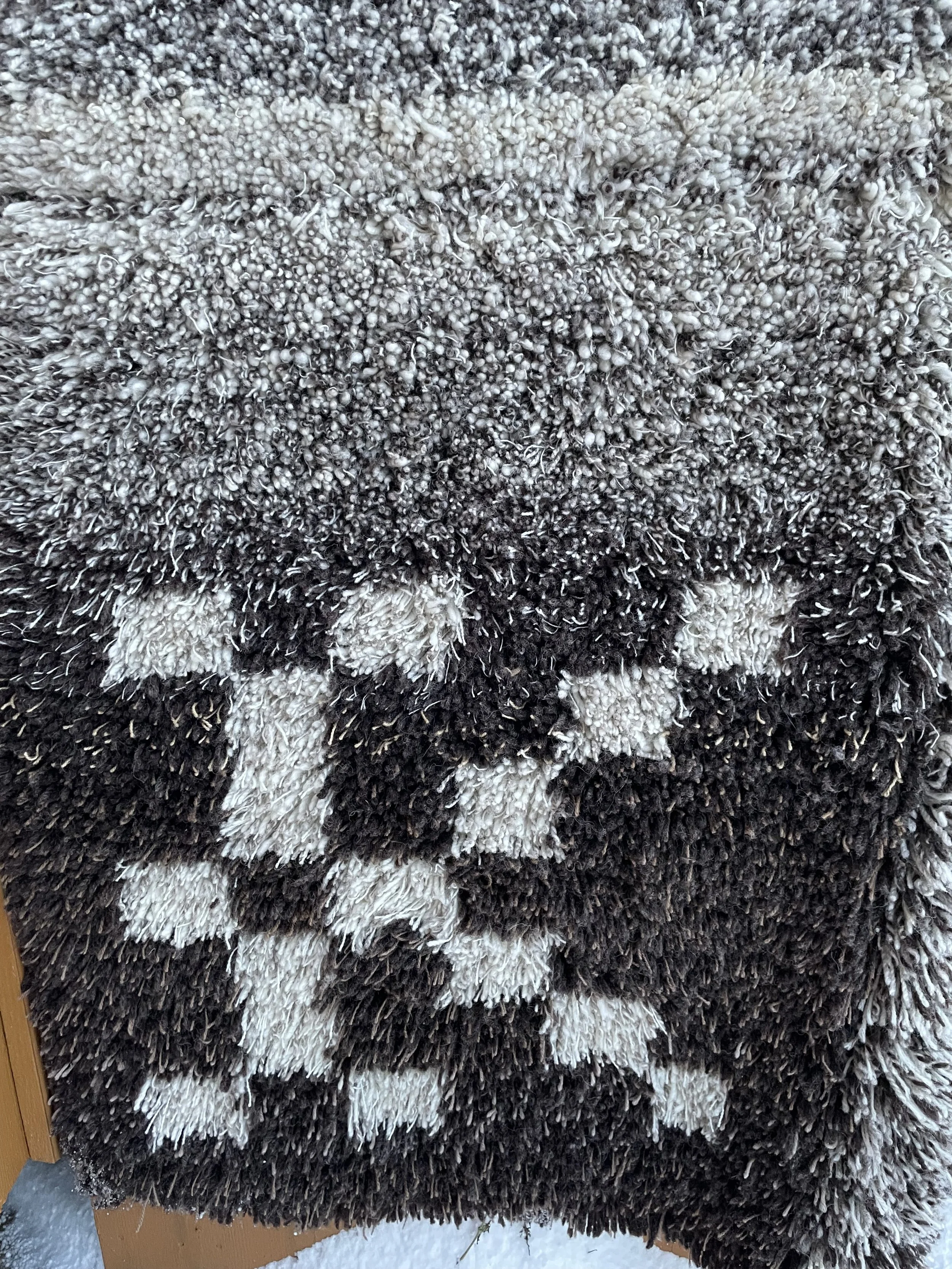
Rye weaving is on the Norwegian Crafts Association's red list of endangered techniques.
The text is based on Erika Søfting's article in Kysten 1/2025.
