
The psalmodicon — the people's organ
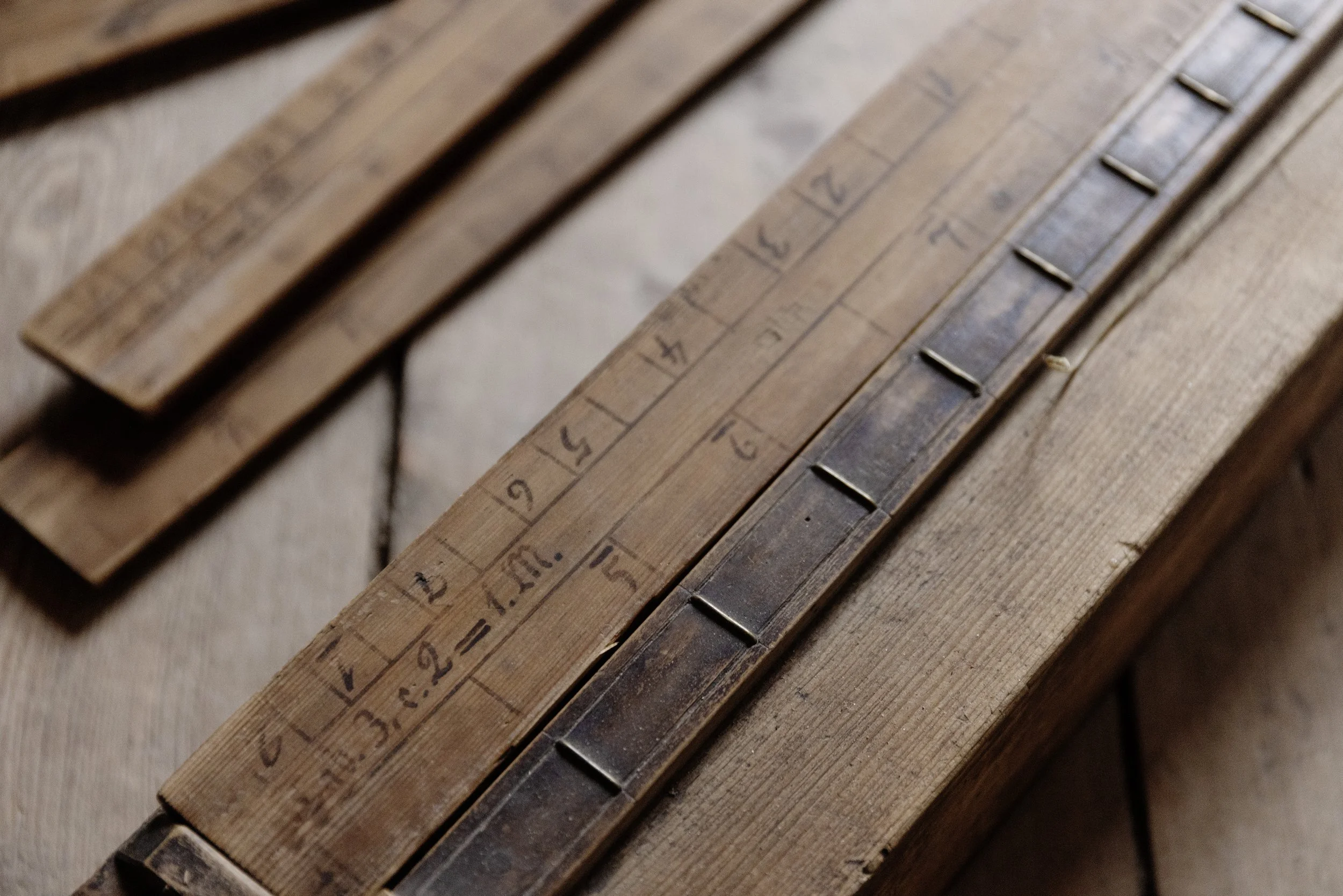
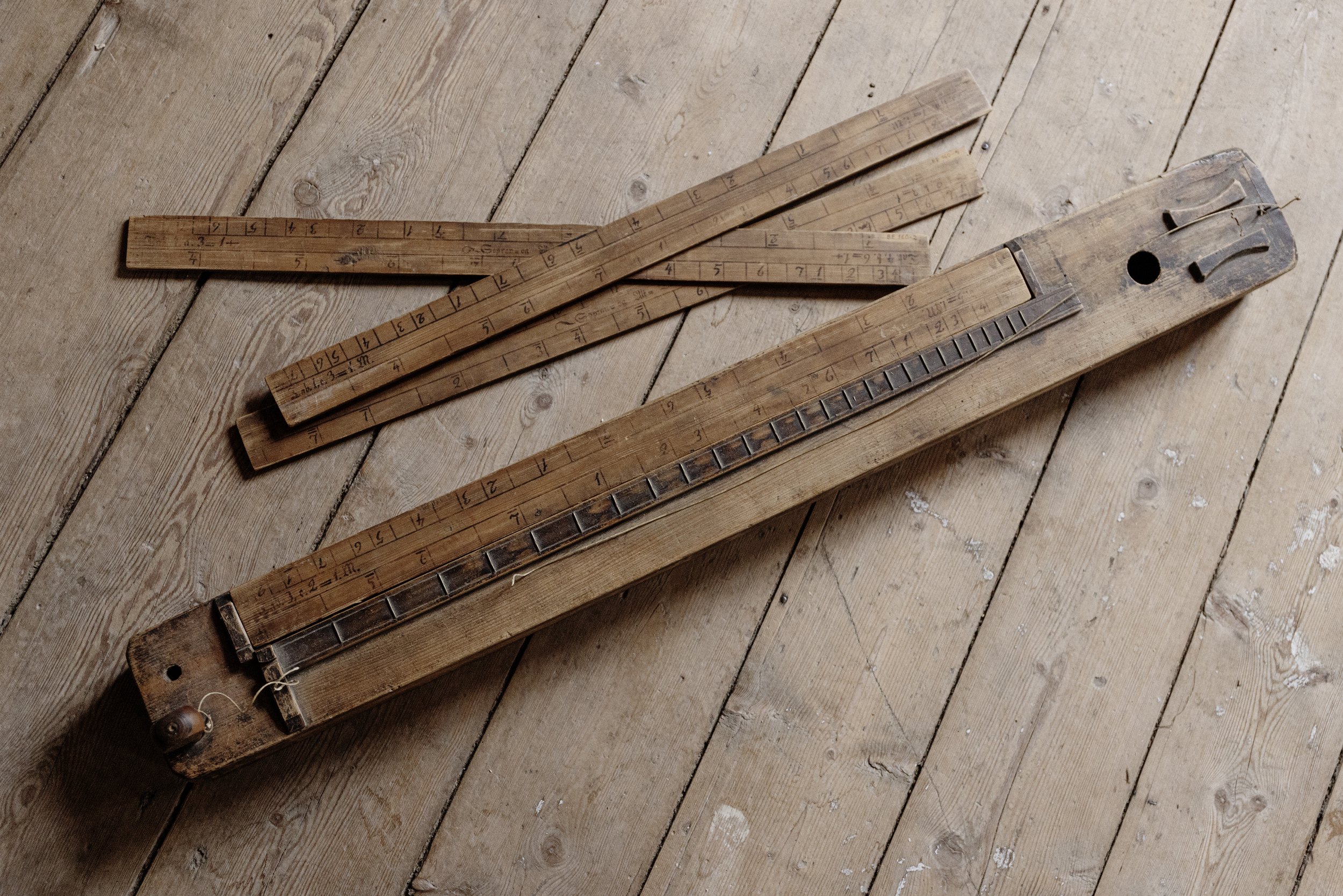
In the collection after Gustav Moldjord at Beiarn Folk Museum stands an instrument that at first glance may seem unremarkable. A narrow, oblong wooden box, just over a meter long, with a fingerboard with cross-strips that mark the notes. The single gut string that was supposed to be strung across the fingerboard is worn away. The instrument was made around 1880 and comes with both a violin bow and several accompanying tone rulers.
The instrument is a hymn icon, and more than a hundred years ago it was one of the most widespread instruments in Norway.
From Denmark to Norway
The psalmody was developed in Denmark around 1820 by the teacher Jens Worm Bruun. The instrument never became very popular in Denmark, but found a new lease of life in Norway and Sweden. In Norway, it was the music educator Lars Roverud who introduced the instrument. In the 1830s and 1840s, he traveled around the country teaching teachers and congregations how to play. In Sweden, the priest Johan Dillner did the same work, claiming that he could teach anyone to play a psalm melody in half an hour.
The reasons for the instrument's widespread use are complex. The state churches in Norway and Sweden had decided that instruments used for dancing, such as the violin, were not suitable for church services. At the same time, most small village churches could not afford an organ. The psalmody, with its calm and melodic sound, filled the void. It was easy to make, easy to transport, inexpensive to obtain and easy to play.
In 1827, a new school law came into force in Norway that required singing lessons in schools. Lars Roverud proposed the psalmodykon as a solution, the teacher could learn to play it with minimal training. Together with the instrument, a notation system was developed in which numbers replaced regular notes. The method was called cipher, and made it possible for people without a musical background to read and play psalm melodies.
Psalm can
In popular parlance, the instrument was given several names. In addition to psalmodikon, which is the original name, in the villages it was called salmedunk. The word "salmodikon" comes from the Greek, psalmos meaning hymn and ode meaning song.
Because many people made their own instruments, the shape and size vary from psalm icon to psalm icon. Some have a curved lid, others flat. Some have multiple sound holes, some have just one. Some even have multiple strings or sympathetic strings that vibrate with the main string.
From Gustav Moldjord's collection
Gustav Moldjord was 18 years old when he began collecting old objects from Beiarn and transported them home in a small cart. Today his collection is the foundation of Beiarn Folk Museum , with 166 objects that tell the story of the village's cultural history. The psalmody is one of them, a small, inconspicuous instrument that once provided sound for psalm singing in Norwegian living rooms and churches.
Sources
Johaug, Erland: One string — a lot of music . Anno Musea in Nord-Østerdalen. digitaltmuseum.no/0211813320341/en-streng-mye-musikk
Norway's most common musical instrument? Digitalt Museum. digitaltmuseum.no/021189692229/noregs-vanlegaste-musikkinstrumtur
Psalmodicon . Living cultural heritage. levandekulturarv.se/in-english/the-inventory/submissions/psalmodicon
