Sjønstå Farm
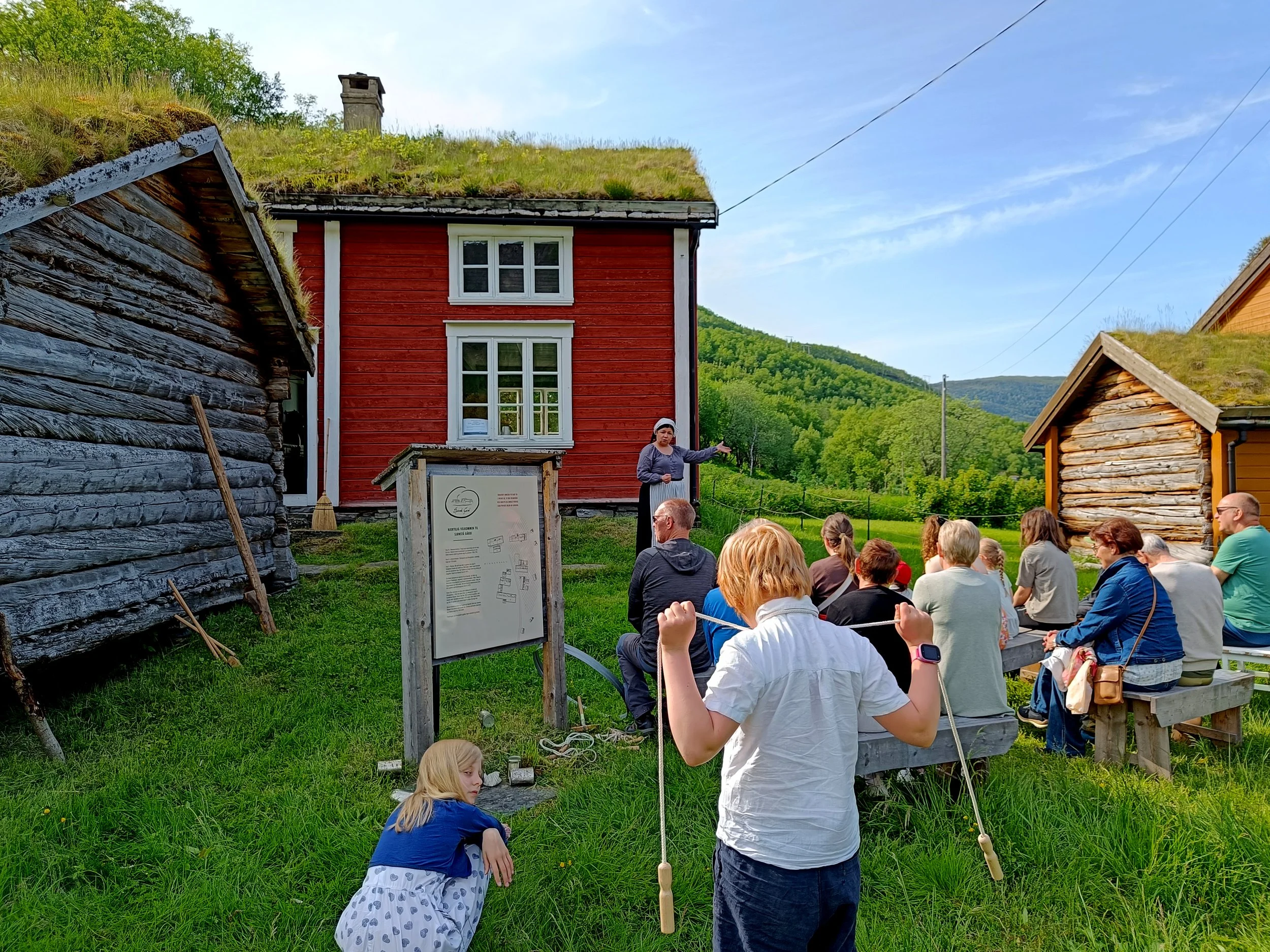
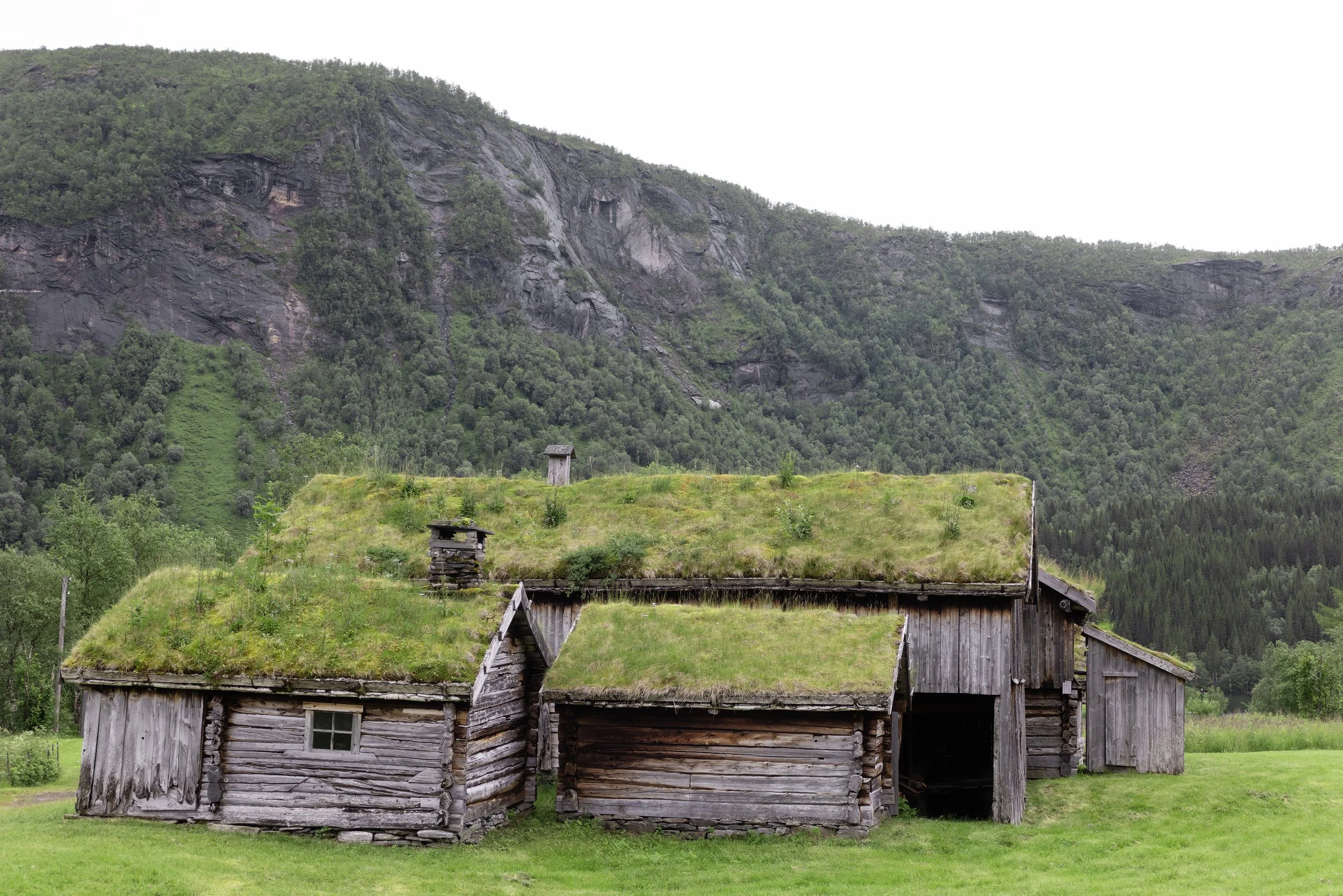
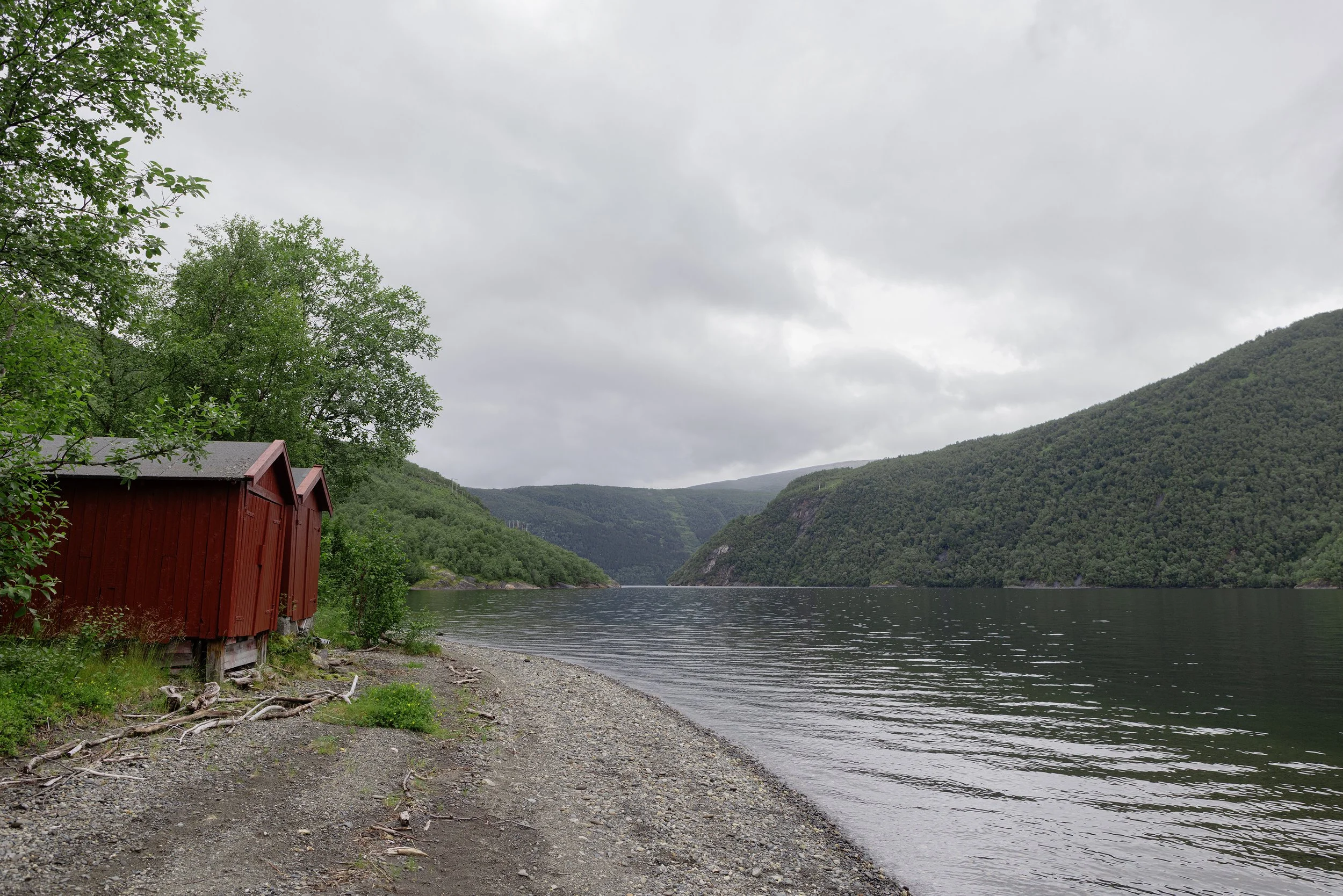
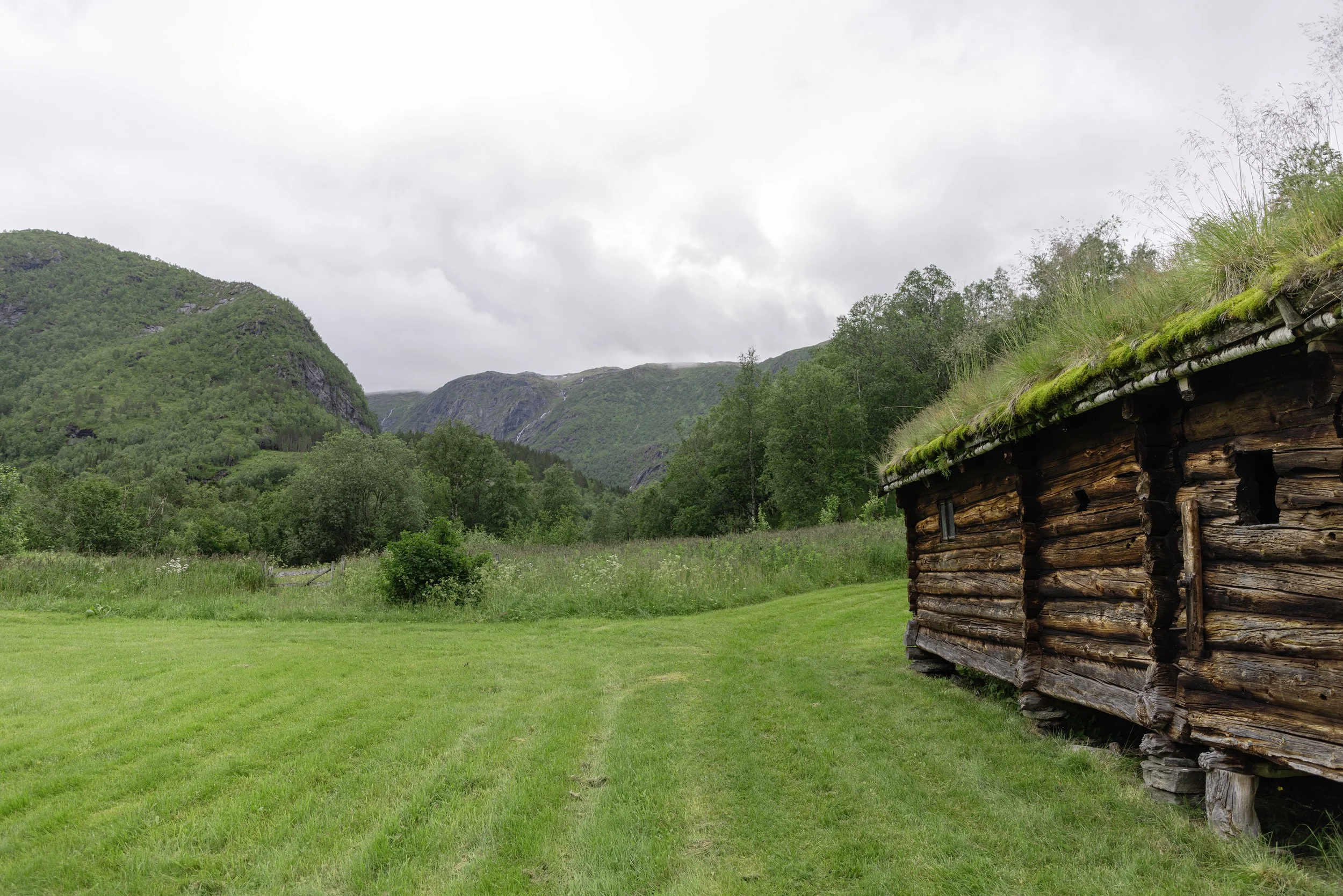
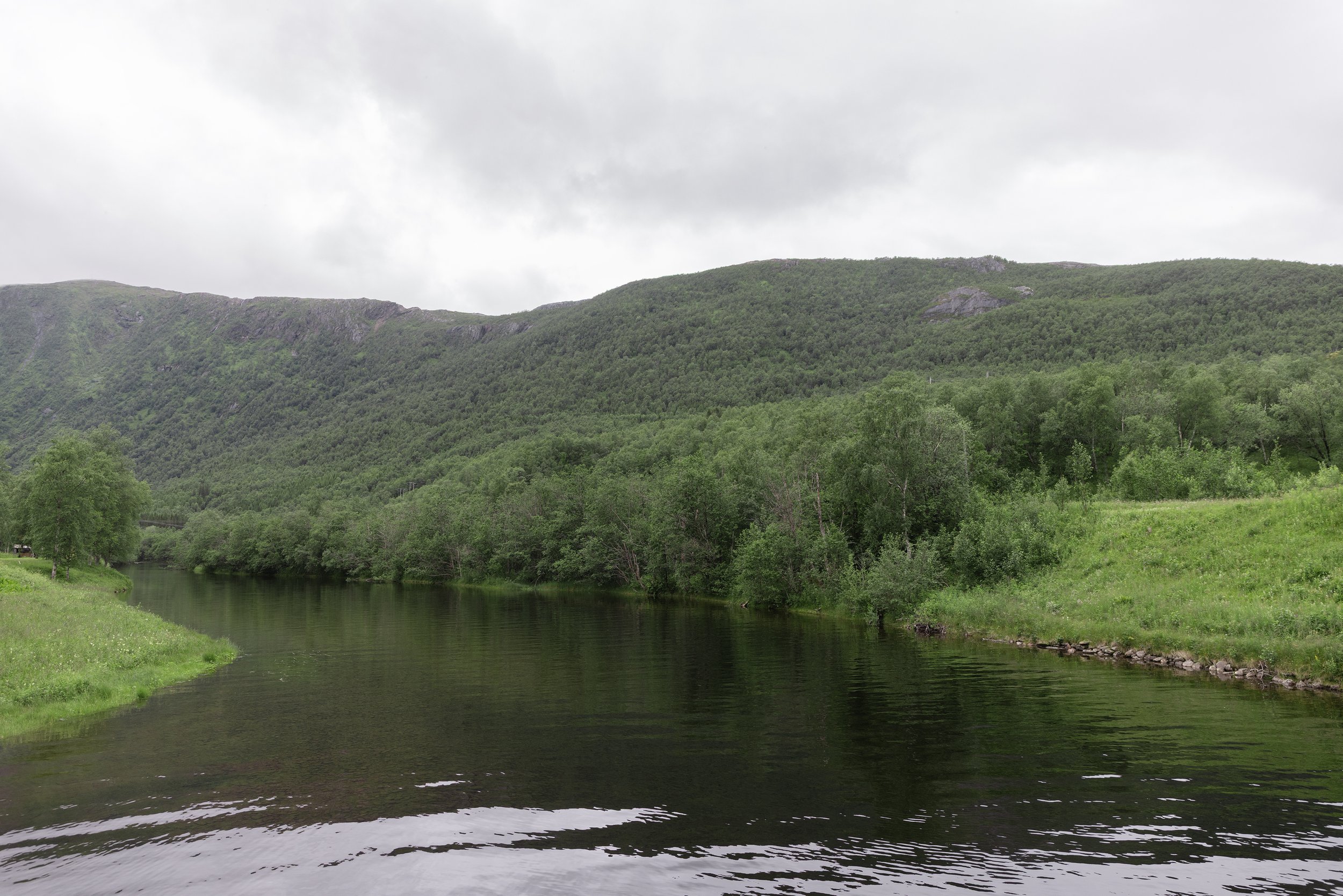
Sjønstå farm is located by Øvervatnet i Fauske municipality and dates back to 1665. The farm is the only protected cluster farm north of Dovre and consists of 22 buildings divided between Øvergården and Nergården. A cluster farm was a densely built collection of farms, and was common in Norway until its replacement in the 1840s. Most cluster farms disappeared with the land change, and Sjønstå is therefore a rare preserved example of this building form.
For hundreds of years, fishermen and farmers lived on Sjønstå. Life changed when Sulitjelma Gruber bought the farm in 1891 and made the place a hub for ore transport. At its peak, around 300 people lived on Sjønstå. The farm was protected by the Norwegian Ministry of Cultural Heritage in 2006 and was filmed in the blockbuster film Sulis 1907.
On the way to Sjønstå you can visit Fauske Folk Museum . If you drive on to Sulitjelma, you will find both the Sulitjelma Mining Museum and the Sulitjelma Visitor Mine .
Photo: Nordlandsmuseet
Opening hours
Sjønstå farm has been open during the summer season 2026 and will reopen with regular opening hours in the summer of 2027. More information will be available in the spring.
Would you like to visit us in the meantime? You can book a tour during the summer months even though we do not have fixed opening hours now — read more here .
Practical information
Entrance tickets are purchased upon arrival. The tour itself takes about 45 minutes, but we recommend staying in the area longer. The nature around the farm is magnificent, and several traces of mining are hidden in the forest. Photography is permitted without the use of flash.
Prices
Adults NOK 90, students/honors NOK 70.
Children under 18 have free entry.
Groups (min. 10 paying) NOK 70 per person.
Special prices apply for visits outside of regular opening hours.
Facilities
The buildings have not undergone adaptations for disabilities. Free parking. Outdoor toilet.
Address and directions
Sjønstågårdveien 20, 8230 Sulitjelma.
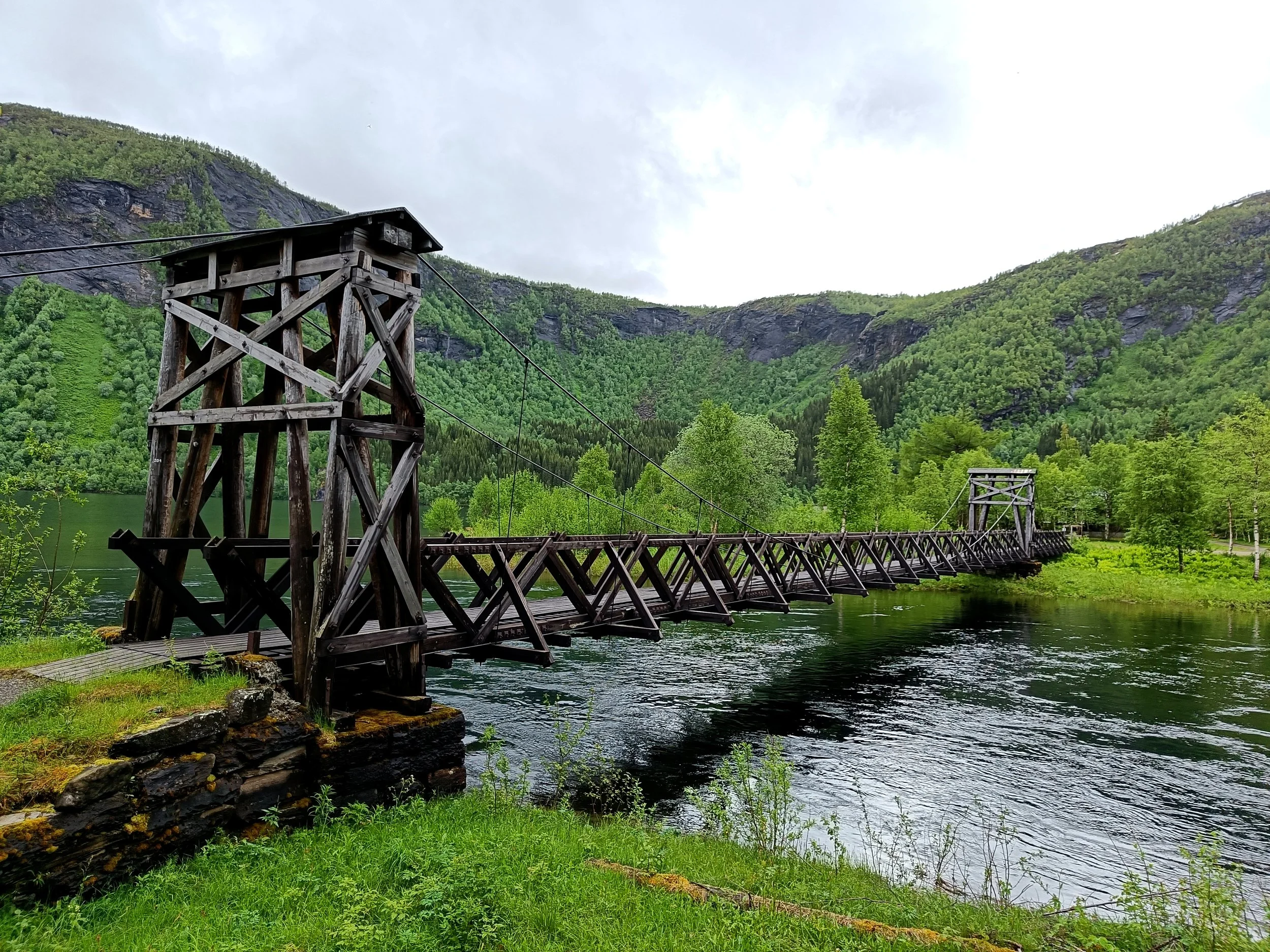
From Fauske you drive onto Vatnbygdveien (county road 830). Follow the road for 15.4 km and turn left onto Sjønstågårdveien. Drive 1.6 km, take a sharp left turn, and after 300 m you will reach the parking lot. From there, cross the wooden bridge on foot to reach the farm.
This happens:
Group visits and tours
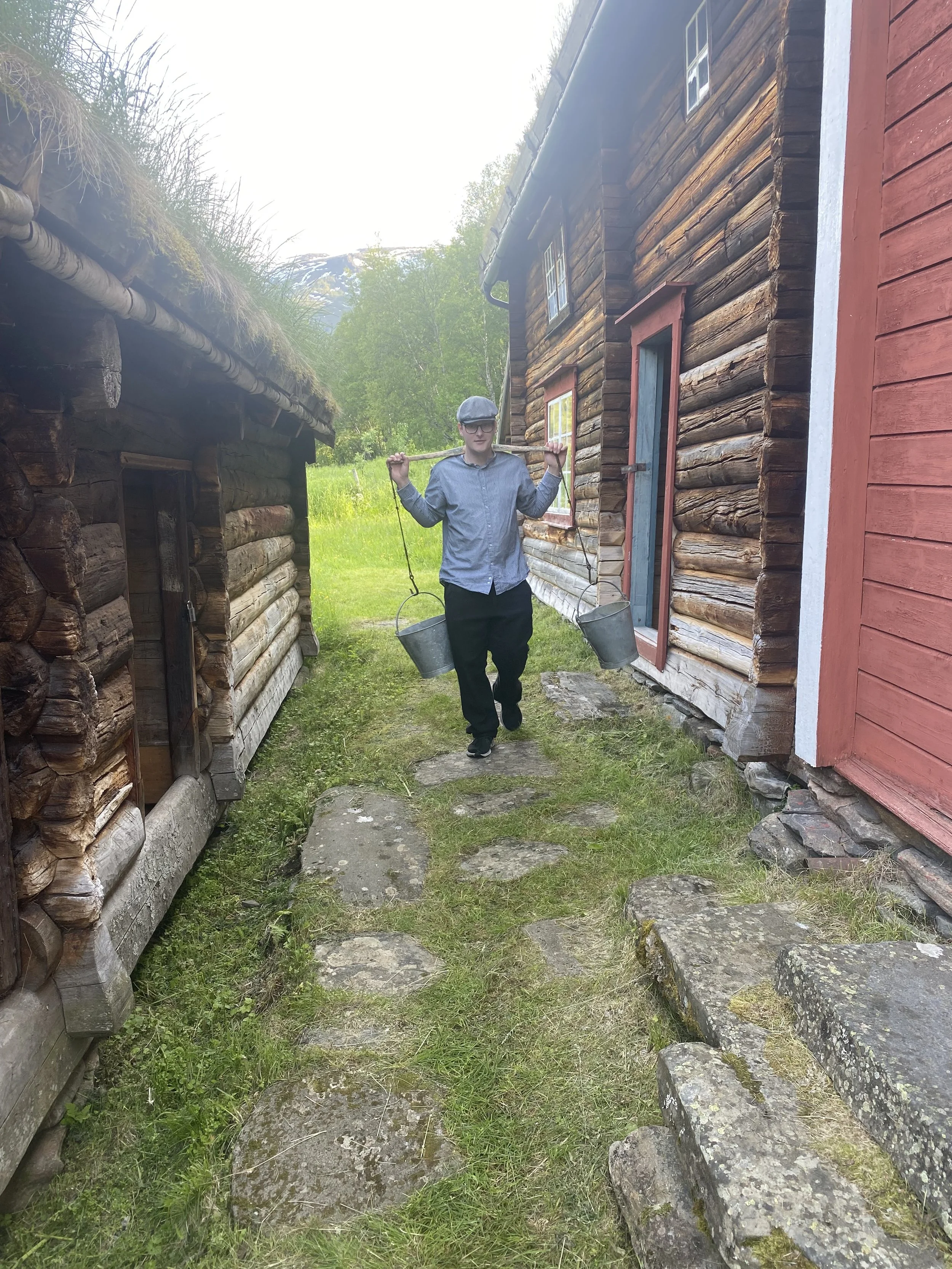
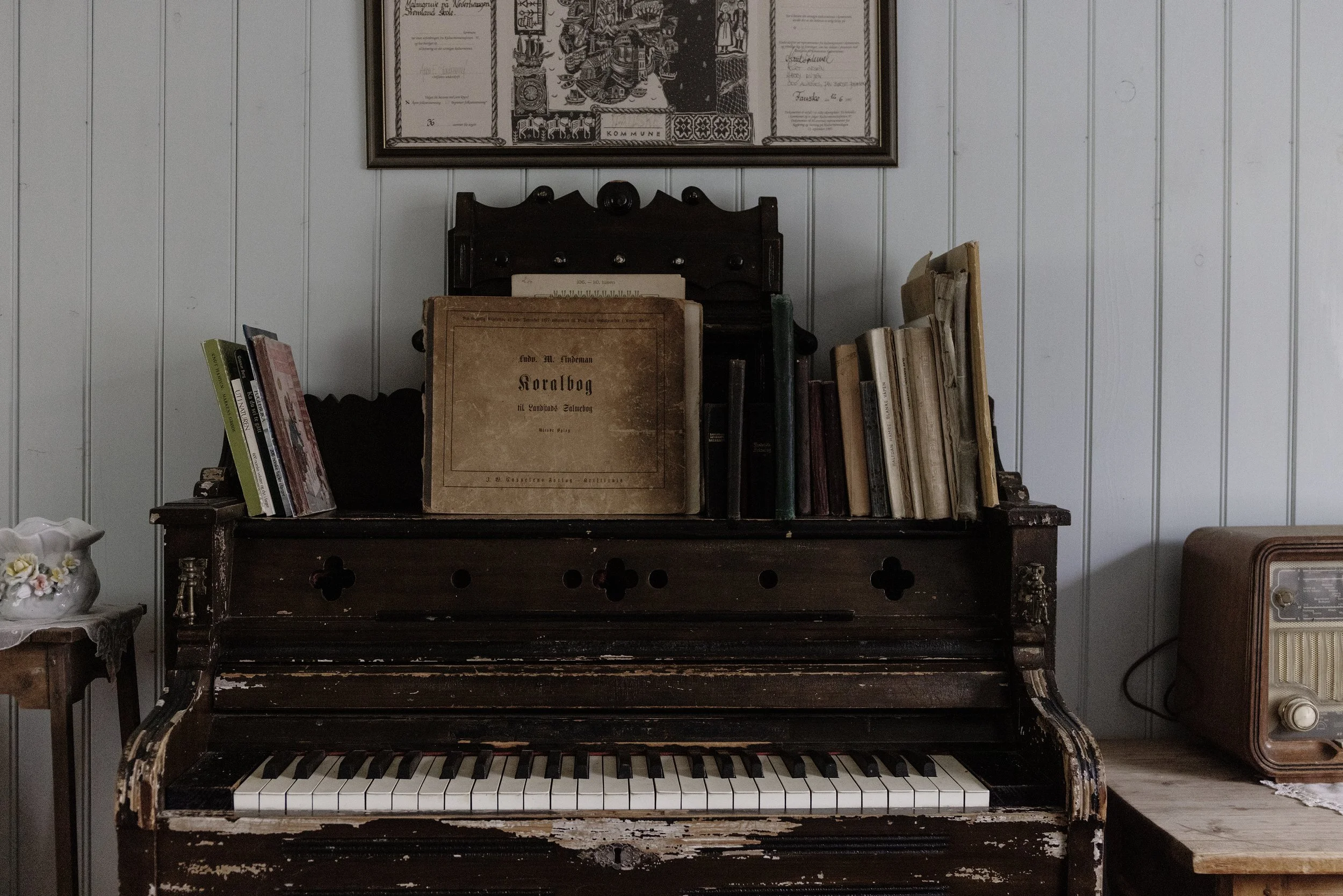
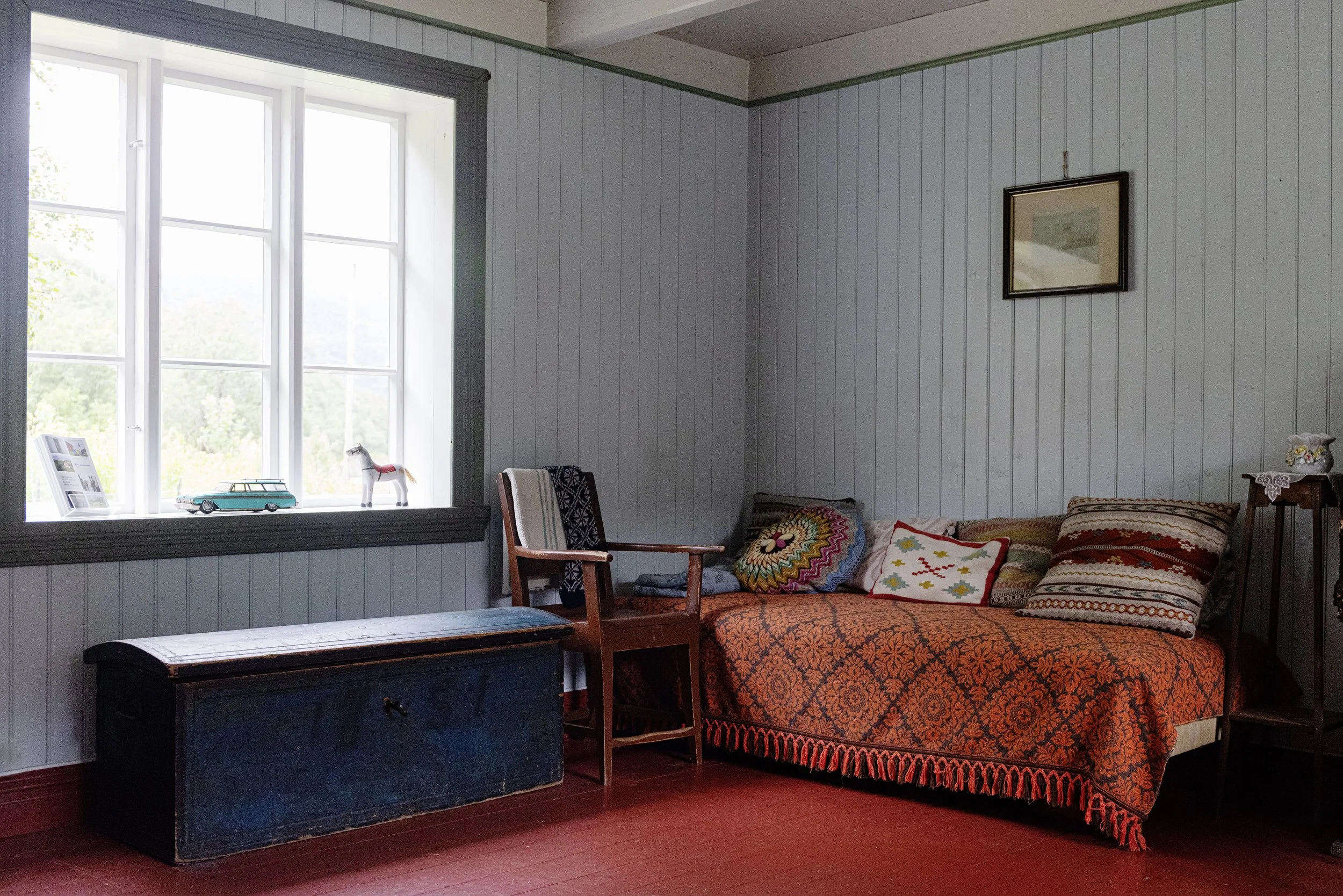
A tour of Sjønstå Farm takes you through the farm's history from the 17th century, through life as fishing farmers, the encounter with industry and the emigration in the 19th century, up to the present day. The tour takes approx. 45 minutes and is available in Norwegian and English.
The group can consist of up to 30 people. The tour is adapted to the group size, as some of the premises are small.
Read full booking terms and conditions here.
Prices for guided tours on request
Weekdays 8:00 AM–4:00 PM and during museum opening hours, regular admission prices apply.
In the evenings and on weekends outside opening hours: from NOK 2,500 plus NOK 70 per person.
Fill out the form below and send us an inquiry. We will respond as soon as we can and confirm if the desired date is available.
Did you know that...
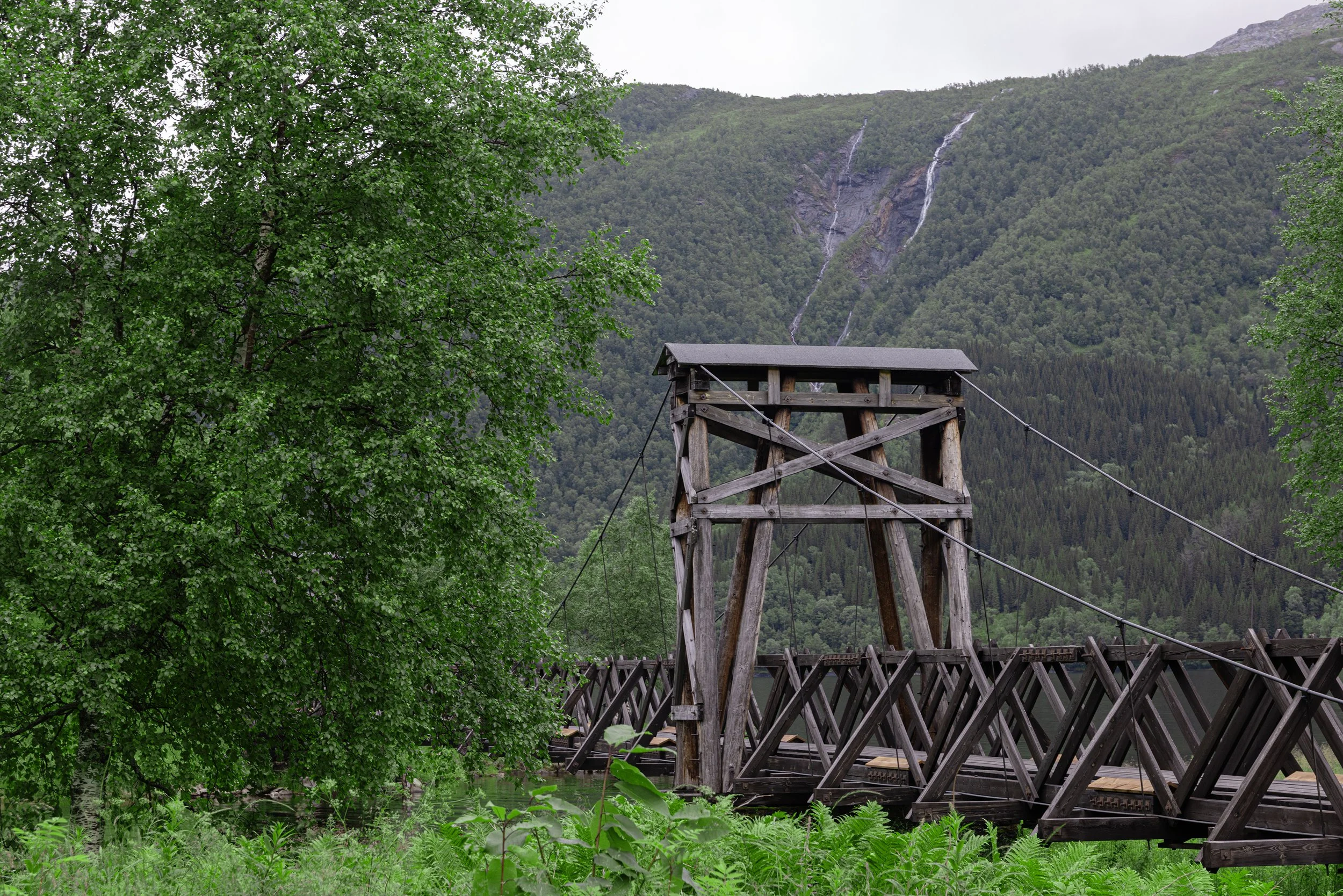
The suspension bridge at Sjønstå is one of only two wooden suspension bridges of its type in the world. The other is the Cliffden Suspension Bridge in New Zealand, which is said to have been the inspiration for the bridge here. The bridge was completed in 1922 and was intended to serve as a link between Sjønstå farm and Sjønstå station. A sign previously hung on the towers: "Only one horse at a time". On the night of May 17, 1984, the bridge collapsed after strong gusts of wind, but was restored and reopened in 1986. During the opening ceremony, they forgot to include the mayor and instead gave a thank-you speech and flowers to the wrong person.
Photo: Nordlandsmuseet

The history of the farm
Sjønstå farm was first mentioned in the tax census in 1665, with Bård Pederssøn as the first owner. The following year Guttorm Pedersøn arrived. In 1760 the farm was divided into two farms, Øvergården and Nergården. It has remained that way ever since.
For hundreds of years, people on Sjønstå lived from farming and fishing. The farm had a ferry service to Bergen and participated in the Lofoten fishing, which linked Sjønstå to trade networks further south. Terraced fields in the landscape bear witness to the agriculture that was practiced here.
In 1888, businessmen from the experimental operation in Sulitjelma entered into future purchase agreements with the owners of Sjønstå Gård to acquire the farms and the associated areas around Øvervannet. The intention was to use the area as a transport route and transshipment point in the ore transport network. The areas were transferred to the company Sulitjelma Gruber Aktiebolag in 1891. The company also wanted to secure the entire area. After future purchase agreements, the last remnant of Sjønstå Gård was acquired in 1891, which was then operated on a fixed-term contract with the company. In this way, the Sjønstå area became a hub for ore transport. At most, around 300 people lived in Sjønstå. When the Sulitjelma Line was extended to Finneid in 1956, Sjønstå ceased to be a traffic hub, and the place was quickly vacated.
From the 1970s, volunteers and the Sjønstå Farm Foundation began work on preserving the buildings. Nordlandsmuseet took over operation and ownership on January 1, 2025. Øvergården currently consists of 22 buildings and is operated as a museum. Nergården is privately owned.
The Norwegian Ministry of National Heritage listed Sjønstå farm in 2006, both as part of Sulitjelma's mining history and because of the farm's clustered courtyard shape. At Øvergården, both the interior and exterior are listed. At Nergården, only the exterior is listed.